
Dollar Strength Pressures Euro and Precious Metals (05.15.2026)
Bond markets ended the week under continued pressure from inflation and energy costs. Japan's 10-year government bond yield pushed toward 2.7%, its highest level in almost ten years, after producer inflation accelerated to 4.9% in April. Higher oil prices tied to the Middle East conflict continued feeding price pressure, while BOJ policymaker Kazuyuki Masu openly supported a faster path toward rate increases.US yields followed the same direction. The 10-year Treasury yield climbed above 4.5%, reaching a one-year high as recent inflation data strengthened the case for tighter Federal Reserve policy. Wholesale inflation recorded its sharpest rise since 2022, while consumer prices posted their strongest increase since 2023, driven largely by energy costs. Markets have now started considering the possibility of another Fed increase before year-end.
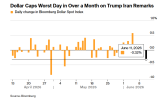
The dollar also gained traction, with the DXY approaching 99 and heading for a weekly rise of more than 1%. Stronger inflation readings and fading expectations for policy easing continued to support the currency, while attention still lingers on the Trump–Xi meetings in Beijing.
Equity markets paused after another record-setting run on Wall Street. Futures traded little changed as technology shares held onto strong momentum. Cisco rallied after lifting its outlook, and Nvidia extended gains after Washington approved additional chip exports to China, reinforcing optimism around the AI-driven rally.
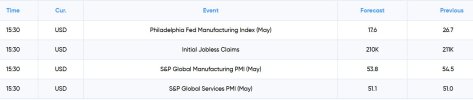
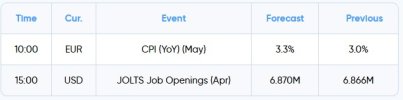
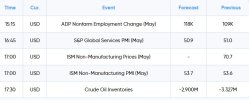
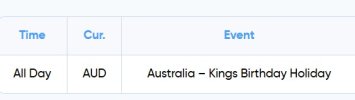
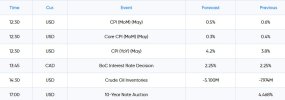
Economic Calendar

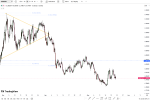
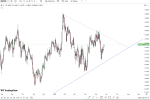
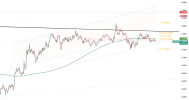
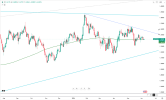
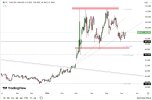
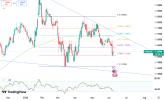
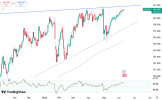
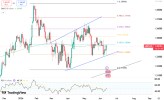
EUR/USD Tests 1.1650

EUR/USD is trading near 1.1650 as investors assess frozen U.S.–Iran negotiations and persistent geopolitical friction. The stalemate in peace talks keeps energy costs elevated, which feeds inflation expectations and complicates the monetary policy outlook.
This prolonged uncertainty continues to strengthen the U.S. dollar, keeping the euro under pressure.
For EUR/USD, the initial resistance is seen at 1.1770, while the closest support is positioned at 1.1610.
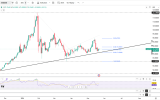
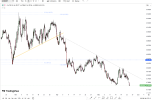
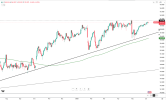
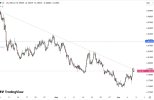
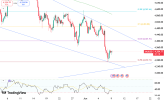
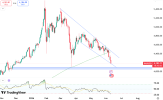
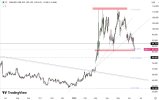
Gold Slips Toward 4,600

Gold declined toward $4,600 per ounce this Friday, marking a 2% weekly loss. Surging U.S. inflation data, fueled by Middle East instability and Strait of Hormuz disruptions, has solidified expectations for high interest rates.
With the Federal Reserve unlikely to cut rates in 2026, some investors are now pricing in a December hike to combat persistent geopolitical and price pressures.
First resistance is seen at $4640, with initial support near $4580.
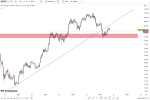
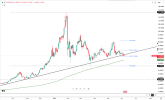
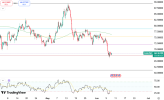
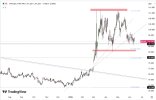
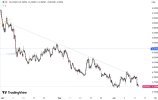
Silver Continued to Drop for Two Days

Silver declined toward $81 per ounce on Friday, marking its second straight day of losses. This retreat follows broader weakness in precious metals as surging U.S. inflation data, the strongest in years, fuels expectations for prolonged high interest rates.
With energy disruptions in the Middle East driving prices higher, markets have abandoned hopes for Federal Reserve rate cuts in 2026, favoring a stronger dollar instead.
From a technical view, resistance stands near $84.20 while support is located around $80.00.
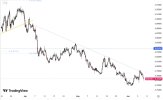
Yen Weakens Toward 158.5

The Japanese yen dropped to approximately 158.5 on Friday, capping a weekly decline of over 1%. A strong U.S. dollar and intensifying inflation expectations have solidified the case for continued Federal Reserve tightening.
Simultaneously, high oil prices due to Middle East conflict pressure Japan’s import dependent economy, even as BOJ officials signal gradual rate hikes to manage domestic inflation.
Initial resistance stands at 158.75, while the first support is located at 156.80.
Sterling Hits Four-Week Low

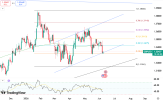
GBP/USD declined to 1.3368 as a dominant U.S. dollar and intensifying UK political instability weighed on the pound. Strong U.S. economic data supports the Federal Reserve’s restrictive policy stance, overshadowing recent UK growth of 0.6%.
Ongoing domestic fiscal concerns continue to fuel volatility, keeping the pair under significant pressure.
From a technical view, resistance stands near 1.3400, with support around 1.3340.
Chinese Yuan

The offshore yuan softened toward 6.79 per dollar, stepping back from a multi-year high after renewed Taiwan-related friction surfaced during the Trump–Xi summit.
Although trade and energy discussions showed progress, warnings from Beijing over Taiwan added fresh uncertainty. Even with the pullback, the yuan continues to hold relatively firm for the week.
USD/CNH is testing resistance at 6.8020, with support positioned near 6.7800.
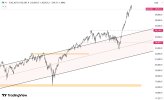
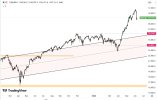
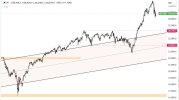
Nasdaq 100

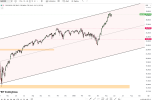
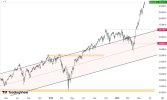
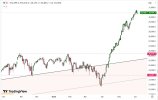
The NAS100 traded close to record territory near 29,372, extending a powerful rally supported by resilient demand for technology shares and continued enthusiasm around artificial intelligence.
The index gained 0.73% in the latest session and is now up more than 11% over the past month. Momentum remains strong, though technical signals point to stretched conditions after the recent surge.
Resistance stands at 29,700, while the nearest support is located at 29,000.
Brent Crude

Brent crude climbed above $106 per barrel, heading for a weekly advance of more than 5% as stalled diplomacy kept the Strait of Hormuz effectively restricted.
The prolonged stand-off between Washington and Tehran continued disrupting global energy flows, while Trump warned that the ceasefire remains fragile. The IEA also flagged persistent supply shortages as oil shipments through the region remain constrained.
Brent’s resistance is seen at 107.50 with initial support near 105.20.
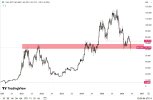
Bitcoin (BTC/USD)

Bitcoin surged more than 2.5% to around $81,420, breaking above the recent consolidation range and reclaiming the $80,000 threshold. Regulatory optimism following the CLARITY Act and expectations of a more market-friendly Fed direction helped drive the move.
Strong institutional buying absorbed recent selling pressure, leaving the asset firmly above major moving averages with the $82,000 region now back in focus.
Bitcoin’s first resistance stands at 82,800, while support is at 78,200.