Daily Global Market Overview By zForex

Iran Signals Progress in US Talks​

Iran said overnight talks with the US in Switzerland achieved meaningful progress, with both sides agreeing to form high-level committees and working groups covering nuclear issues, sanctions, and regional security.
  • Tehran said parts of the recent interim agreement are already taking effect, including smoother oil exports, the release of some frozen assets, and easing economic restrictions.
  • Washington and Tehran have also established a direct communication channel to reduce the risk of incidents in the Strait of Hormuz, where shipping activity has begun to normalize.
Lebanon remains a major challenge. Iran said a durable ceasefire between Israel and Hezbollah is crucial for broader negotiations, while Israel maintains it will not leave southern Lebanon until security concerns are addressed.

Oil markets welcomed the news, with Brent crude falling toward $80 a barrel as investors became more optimistic about supply and the continued reopening of Hormuz.

Although both sides are expressing optimism, the success of the talks will depend on developments in Lebanon.
 

Fed Rate Hike Bets Pressure Markets (06.23.2026)​

President Trump said US-Iran negotiations are moving in a positive direction but warned that Washington is prepared to act if Tehran fails to meet its commitments. He also stated that the Strait of Hormuz remains open under US control and reiterated that Iran will not be allowed to obtain nuclear weapons.

US stock futures edged lower after a mixed Wall Street session. The Dow finished higher, while the Nasdaq and S&P 500 declined as selling in major technology stocks continued. Micron stood out with gains following its partnership announcement with Anthropic.

The dollar index remained near a one-year high as expectations for a possible September Fed rate increase stayed intact. Attention now turns to the PCE inflation report, while progress in US-Iran talks and a temporary permit for Iranian oil exports improved the outlook for global supply.

The US 10-year Treasury yield held near 4.5% after its recent climb. Fed policy expectations and inflation concerns continued to support yields, with the upcoming PCE report expected to provide the next major test for rate expectations.

Economic Calendar​

eco-calendar-23-june.jpg
  • The euro slipped to $1.143, its lowest level since mid-March, as a stronger dollar outweighed progress in US-Iran negotiations.
  • The British pound climbed toward 1.3235, recovering from its lowest level since March following Prime Minister Keir Starmer’s resignation.
  • The yen traded near 161.5 per dollar, remaining close to its weakest level since 1986.
  • The offshore yuan traded near 6.78 per dollar, hovering close to a two-week low. The People's Bank of China left lending rates unchanged for a thirteenth consecutive month
  • Gold fell below $4,150 per ounce as expectations for additional Federal Reserve tightening continued to weigh on bullion.
  • Silver values fell toward $63 per ounce on Tuesday, stretching recent losses as restrictive Federal Reserve monetary expectations eclipsed optimism over U.S.–Iran peace discussions.
  • The US 100 remained in a consolidation phase as higher Treasury yields continued to challenge technology shares.
  • Brent crude held near $78 per barrel after recent losses as traders assessed progress in US-Iran negotiations.
  • Bitcoin continued to consolidate after its recent correction, with buyers defending the $60,000 area.

Check more on zForex.com - Technical Outlook on Charts​

Euro Falls to March Lows
Gold Slips Below $4,150
Yen Lingers Near Historic Lows
Sterling Rebounds Toward 1.3235
Silver Retreats Toward $63
 

Rate Hike Fears Grow (06.24.2026)​

Trump defended the release of frozen Iranian funds, stating they would remain under US-controlled escrow and be used only for American food and medical supplies.

Iran disputed that characterization, highlighting ongoing disagreements as negotiations continue. The US Senate voted to end the Iran war, adding another layer to the diplomatic process.

US stock futures moved higher ahead of Micron's earnings report, with optimism around AI infrastructure supporting sentiment. Micron and Sandisk recovered modestly after recent losses, while Alphabet gained following its inclusion in the Dow Jones Industrial Average.

The dollar index reached its highest level since April 2025, extending a four-day advance as expectations for further Fed tightening remained intact. Strong economic data and a firm policy outlook continued to support the currency, with attention now turning to the upcoming PCE inflation report.

Economic Calendar​

eco-calendar-24-june.jpg

  • The euro slipped to $1.136, its weakest level since June 2025, as a stronger dollar continued to dominate currency markets.
  • Gold fell below $4,100 per ounce, reaching its lowest level in seven months as the Federal Reserve maintained a firm stance on inflation.
  • The yen remained near 161.5 per dollar, close to levels last seen in 1986. Japanese officials repeated their commitment to currency stability.
  • The British pound weakened against a firmer US dollar but remained comfortably above $1.32. Investors are actively weighing a drop in domestic political uncertainty against disappointing UK economic data.
  • Silver values fell toward $63 per ounce on Tuesday, extending a recent downward trend as aggressive Federal Reserve interest rate projections eclipsed the positive sentiment from U.S.–Iran diplomatic talks
  • Brent crude eased toward $76 per barrel as improving conditions in the Middle East strengthened expectations of higher supply.
  • The NAS100 dropped 3.3% to 29,347 as selling accelerated across technology and semiconductor stocks.
  • The offshore yuan remained under modest pressure, with USD/CNH trading near 6.80. The pair continued to draw support from broad dollar strength.
  • Bitcoin stabilized near recent support following a sharp pullback. Buyers continue to defend the $60,000-$62,000 region.

Check More on zForex.com - Technical Outlook on Charts​

Euro Weakens as Fed Tightens Bets
Gold Hits Seven-Month Lows
Yen Plummets to Multi-Decade Low
Sterling Edges Lower Against Dollar
Silver is Under Pressure Near $63
 

Markets Are at Multi-Month Extremes (06.25.2026)​

China's central bank announced overnight reverse repo operations to strengthen short-term liquidity management. While the move modernizes the PBOC's policy toolkit, the yuan continued to face pressure from broad dollar strength.

The dollar remained firm after the Fed reinforced expectations that interest rates could stay higher for longer. Attention now turns to the upcoming PCE inflation report, which could shape the next move in policy expectations.

Brent crude extended its decline as improving US-Iran relations strengthened the global supply outlook. Higher tanker traffic through the Strait of Hormuz and continued Iranian exports kept pressure on oil prices.

Technology stocks were under pressure as high bond yields and stretched AI valuations weighed on sentiment. The latest selloff pushed major semiconductor names lower and kept Nasdaq on the defensive.

Economic Calendar​

Eco-calendar-25-june.jpg
  • The euro fell to $1.136, its lowest level in a year, as a stronger dollar continued to weigh on currency markets.
  • The British pound broke below $1.32, hitting a seven-month low as June's composite PMI tumbled to 49.4, marking consecutive months of economic contraction
  • The yen hovered near 161.7 per dollar, remaining close to its weakest level since 1986. Comments from Japanese officials failed to provide lasting support.
  • The offshore yuan held near 6.81 per dollar, remaining close to a one-month low. The People's Bank of China introduced overnight reverse repo operations alongside its existing seven-day facility to improve short-term liquidity management
  • Gold steadied near $4,000 per ounce, holding close to an eight-month low as expectations for higher US interest rates continued to outweigh support from easing geopolitical tensions.
  • Silver stabilized around $57 per ounce on Thursday, hovering near its lowest level since November as a strong dollar and hawkish Federal Reserve rate hike projections suppressed market momentum.
  • Nasdaq 100 fell 3.3% to 29,347 as heavy selling across AI and semiconductor stocks accelerated the decline. Nvidia, AMD, and Micron led losses, pushing the index below the 30,000 level.
  • Brent crude dropped toward $73 per barrel, extending its four-session decline as improving US-Iran relations strengthened expectations for higher global supply.
  • Bitcoin traded near the $60,000-$61,000 range, with price action continuing to show lower highs and lower lows.

Check more on zForex.com - Technical Outlook on Charts​

Euro Goes Back to One-Year Low
Gold Struggles Near Eight-Month Lows
Yen Hovers Near Historic Lows
Pound Slips Below $1.32
Silver Is Near Eight-Month Lows
 

BoJ Turns More Hawkish as Inflation Sticks​


japan-rate.png

The Bank of Japan may be getting closer to faster rate hikes after board member Naoki Tamura said rates may need to rise every few months.

His message was clear: Japan has reached the 2% inflation target, so the BoJ may now focus more on controlling price pressure rather than supporting inflation.

Tamura also pointed to a possible neutral rate near 2%, meaning each hike will depend on inflation, growth, markets, and how households and businesses react.

The yen is also in focus. A more hawkish BoJ could support the currency and push Japanese bond yields higher.

Overall, markets may start pricing a more active BoJ tightening path if inflation stays firm. Yen pairs, JGB yields, and carry trades remain key areas to watch.
 

Attached File(s)

  • japan-rate.png
    japan-rate.png
    98.4 KB · Views: 0

Strong Dollar Extends Pressure Across Markets (06.26.2026)​

US stock futures edged lower as weakness in megacap technology stocks outweighed Micron's strong earnings. The memory-chip maker jumped 15.7%, lifting Sandisk and Applied Materials, while Apple, Nvidia, Microsoft, Amazon, and Meta remained under pressure.

The dollar index remained near 101.5, heading for a weekly gain. A softer PCE report slowed the latest advance, but expectations for additional Fed tightening continued to support the currency.

Japan's 10-year bond yield fell to around 2.61% despite stronger Tokyo inflation and continued support for higher rates from BOJ officials. Lower US Treasury yields and easing oil prices kept downward pressure on Japanese yields.

The US 10-year Treasury yield stayed near 4.37% after PCE inflation matched expectations. While inflation remains above target, the data eased concerns over a more aggressive Fed path. Markets continue to price a high probability of rate increases later this year.
  • The euro traded near $1.138, its lowest level since June 202.
  • The yen hovered near 161.7 per dollar, remaining close to multi-decade lows.
  • The British pound slide under $1.32, hovering near a seven-month low
  • The offshore yuan held near 6.80 per dollar, extending its weekly decline
  • Brent crude slipped below $74 per barrel
  • Gold remained below $4,000 per ounce, heading for a weekly loss of more than 5%.
  • Silver plunged beneath $57 per ounce on Friday, pacing toward a sharp weekly loss of roughly 14%
  • Bitcoin traded near $60,000 after falling to its lowest level since September 2024.
  • Nasdaq traded around the 29,000 level as technology stocks attempted to stabilize after recent volatility.

Check more on zForex.com - Technical Outlook on Charts​

Euro Declines to 12-Month Low
Gold Suffers Steep Weekly Loss
Yen Holds Near Multi-Decade Lows
Sterling Slumps on Mixed Domestic Signals
Silver Slides Below $57
 

Markets Brace for Doha Talks (06.29.2026)​

The US 10-year Treasury yield remained near 4.38%, steady after last week's decline. With little new data to drive sentiment, attention is firmly on the monthly employment report, which could play a key role in shaping expectations for the Federal Reserve's next policy move.

The dollar index held near 101.3 after last week's rally to its highest level in more than a year.

Attention is now shifting to the upcoming US jobs report, with Fed Chair Kevin Warsh's firm stance on inflation continuing to support expectations for tighter policy. Markets currently price in three rate hikes this year, with the probability of a September move above 60%.

Economic Calendar​

eco-calendar-29-june.jpg
  • The euro remained below $1.14, hovering near its weakest level since June 2025.
  • The yen held near 161.7 per dollar, staying close to levels last seen in 1986.
  • GBP/USD pair inched up to 1.3203 on June 29, 2026, recording a minor daily gain of 0.04%.
  • The offshore yuan traded near 7.28 per dollar, with USD/CNH moving within a narrow range after last week's volatility.
  • Gold eased to around $4,050 per ounce, ending a two-session advance.
  • Silver fell toward $58.5 per ounce on Monday, ending a two-session rebound as renewed military clashes
  • Bitcoin traded near $60,000, rising 0.77% on the day. The cryptocurrency has gained 18.65% over the past four weeks
  • Brent crude recovered above $72 per barrel after touching a four-month low.
  • Nasdaq 100 fell 1.09% to 29,205, extending its four-week decline to 4.29%.

Check more on zForex.com - Technical Outlook on Charts​

Euro Slips Past Crucial Support
Gold Drops Ahead of Doha Peace Talks
Yen Keeps Flat Despite Retail Sales
Sterling Inches Up in Broader Downtrend
Silver Retreats on Inflation Fears
 
fed-rate-bond-managers.png

Bond managers are increasingly favoring the 5-year Treasury sector, viewing it as the most attractive part of the curve as markets adjust to the early stages of the Warsh Fed.

Although recent hawkish remarks pushed yields higher, investors have begun scaling back expectations for aggressive tightening, with markets now expecting that any additional rate hikes could eventually be followed by cuts in 2027.

The chart reflects this shift, showing the swap curve between late 2026 and 2027 moving into negative territory as traders begin pricing in future easing.

Firms including Pimco, Capital Group, Natixis, and Insight see the 5-year segment as offering the best balance between policy risk and long-term return potential.
 

Chinese liquidity.png​

China’s Liquidity Build-Up Stands Out​


China’s money supply has reached an unusual level compared with other major economies. M2 is now around 240% of GDP, the highest among the countries shown in the chart, and far above Japan’s roughly 185% and the US near 70%.

Since the 2008 financial crisis, China’s M2-to-GDP ratio has jumped by about 100 percentage points. In dollar terms, money supply has increased nearly 500%, while gold reserves rose around 100% and total FX reserves about 60%.

The main question is what happens if this huge pool of domestic liquidity starts looking for a way out. The chart shows why investors keep watching China’s currency, reserve policy, and capital flows closely.
 

Markets Focus on CBs as Gold Extends Losses (06.30.2026)​

The NAS100 rebounded more than 2%, recovering from recent losses, while Bitcoin remained below $60,000 despite long-term forecasts continuing to point to a gradual recovery.

The euro recovered above $1.14 as attention shifted to the ECB Forum in Sintra, while the dollar remained supported by expectations for further Fed tightening. The yen fell to its weakest level since 1986, keeping intervention risks in focus.

Gold dropped below $4,000, marking its weakest level in nearly eight months, while Brent crude held above $73 as US-Iran talks in Doha continued without a clear breakthrough.
  • Euro climbed back above $1.14 after hitting a one-year low last week, with attention turning to the ECB Forum in Sintra.
  • Yen weakened beyond 162 per dollar, its lowest level since 1986, increasing speculation that Japanese authorities could step into the market.
  • British pound held above $1.32, bouncing back from seven-month lows. This recovery followed a pledge from Andy Burnham
  • Offshore yuan weakened to around 6.79 per dollar in June, ending a two-month winning streak
  • Gold fell below $4,000 per ounce, extending its decline to the lowest level in nearly eight months.
  • Silver slid toward $57 per ounce on Tuesday, nearing its lowest valuation in seven months. The industrial metal is pacing toward a sharp monthly loss.
  • Bitcoin traded near $59,933, down 0.35% on the day. The cryptocurrency has fallen 18.55% over the past four weeks and 43.31% over the past year.
  • Brent crude held above $73 per barrel after Monday's recovery as attention shifted to US-Iran peace talks in Doha.
  • Nasdaq 100 rose 2.25% to 29,719, bringing its four-week gain to 2.60% and its annual advance to 32.21%.

Economic Calendar​

eco-calendar-30-june.jpg

Check more on zForex.com - Technical Outlook on Charts​

Euro Rebounds Ahead of Sintra Forum
Gold Hits Eight-Month Low
Yen Weakens Past 162
Sterling Stabilizes Above $1.32
Silver Touches Seven-Month Low
 

German Inflation Eases​


german-inflation.png

Germany's annual inflation rate cooled to 2.4% in June, down from 2.7% in May and coming in below the 2.5% market consensus. This deceleration was primarily driven by lower energy costs as easing Middle East frictions dragged global crude prices lower.

Inflationary pressures similarly softened in France and Italy, signaling broader relief across the Eurozone. Though the data is encouraging, ECB officials urge caution, noting that historical energy spikes might still fuel food and services inflation.

Upcoming policy moves will remain data-dependent, though markets have already scaled back pricing for another rate hike this year.
 

Markets Eye Key Data Amid Strong Dollar (07.01.2026)​


July opened with attention centered on monetary policy and economic data. Strong US indicators reinforced expectations that the Federal Reserve could keep interest rates higher for longer, supporting the dollar while pressuring gold and the Japanese yen ahead of this week's non-farm payrolls report.

In Europe, focus shifted to the ECB's Sintra Forum and easing inflation across much of the euro area. Meanwhile, Brent crude stabilized as US-Iran negotiations continued, China's softer manufacturing data renewed growth concerns, and technology stocks extended their recovery.

Economic Calendar​

eco-calendar-1-july.jpg

  • The euro ended June trading around $1.14, staying close to its one-year low as attention turned to the ECB's Sintra Forum and fresh inflation data from the euro area's largest economies.
  • The Japanese yen weakened beyond 162.5 per dollar, marking its lowest level in four decades and reviving speculation that Japanese authorities could intervene to support the currency.
  • The British pound rebounded from seven-month lows to hold above $1.32. This recovery followed a commitment from Andy Burnham, the sole candidate to succeed Keir Starmer, to transfer significant fiscal authority to regional governments while maintaining strict economic discipline.
  • The offshore yuan slipped back to around 6.79 per dollar, reversing the previous session's gains as concerns over China's economic outlook resurfaced.
  • Gold hovered around $4,000 per ounce, remaining close to its weakest level in nearly eight months. Strong US economic data continued to reinforce expectations that the Federal Reserve could deliver additional rate hikes this year.
  • Silver dipped below $58 per ounce on Wednesday, hovering near a seven-month low. Strong U.S. economic data continues to underscore economic resilience, upholding market forecasts for subsequent Federal Reserve interest rate hikes later this year.
  • Brent crude remained above $73 per barrel after posting its largest quarterly decline since 2020. Attention remains on the ongoing US-Iran negotiations in Doha.
  • Bitcoin traded at $58,862, rising $309 (0.53%) from the previous session. The cryptocurrency has gained 11.82% over the past four weeks but remains 45.94% below its level a year ago.
  • Nasdaq 100 traded at 30,122, gaining 502 points (1.68%) from the previous session. The index is up 1.76% over the past four weeks and 33.04% compared with a year ago.

Check more on zForex.com - Technical Outlook on Charts​


Softer Inflation Shifts Market Focus (07.02.2026)​

Eurozone inflation slowed further, giving the ECB greater confidence that price pressures are moving toward target, while Fed Chair Kevin Warsh noted that US inflation expectations have softened, reducing the immediate need for another rate hike. Even so, attention remains firmly on the upcoming US labor market report, which is expected to provide the next major signal for the Federal Reserve's policy path.

Oil markets continued to reflect improving supply conditions. Brent crude fell to its lowest level since late February as oil shipments through the Strait of Hormuz increased and indirect US-Iran negotiations progressed. The decline in energy prices helped gold recover above $4,000 per ounce after an eight-month low, while the broader commodity outlook remained tied to geopolitical developments.

Currency markets were driven by diverging central bank expectations. The euro remained close to a one-year low despite softer inflation data, the yen hovered near four-decade lows as intervention speculation intensified, and the offshore yuan recovered modestly even as China's manufacturing activity slowed.

Economic Calendar​

eco-calendar-2july.jpg

  • The euro dipped below $1.14 and is now approaching its lowest level in a year. Fresh Eurozone inflation data showed headline CPI easing to 2.8% and core inflation slowing to 2.4% in June.
  • The yen traded around 162.5 per dollar, holding near its weakest level in four decades. With a US market holiday approaching and liquidity expected to thin, attention has turned to the possibility of intervention from Japanese authorities.
  • The British pound stabilized just above $1.32, remaining near seven-month lows after declining 1.4% against the dollar in June. The currency continues to face downward pressure from domestic political uncertainty, a resilient dollar, and the Bank of England's cautious monetary policy stance.
  • The offshore yuan strengthened to around 6.78 per dollar after recovering from the previous session's losses. The move came despite softer manufacturing data, with the private PMI easing to a three-month low of 51.7 from 51.8 in May
  • Gold climbed back above $4,000 per ounce after touching an eight-month low earlier in the week. The rebound followed comments from Fed Chair Kevin Warsh, who said inflation expectations had eased over the past month.
  • Silver climbed back above $59 per ounce on Thursday, recovering from recent seven-month lows. The metal was supported by comments from Fed Chair Kevin Warsh, who noted that inflation expectations had softened over the past month,
  • Brent crude fell below $71 per barrel, reaching its lowest level since late February. Rising oil flows through the Strait of Hormuz and continued progress in indirect US-Iran negotiations strengthened expectations for improved supply
  • The NAS100 traded at 29,817, down 1.54% on the day. The index has declined 2.47% over the past four weeks but remains 30.39% higher than a year ago.
  • Bitcoin traded near $60,353, gaining 0.59% on the day. The cryptocurrency has risen 5.70% over the past four weeks but remains 44.96% below its level a year ago.

Check more on zForex.com - Technical Outlook on Charts​


Weaker U.S. Jobs Report Lifts Markets (07.03.2026)​

A weak US jobs report changed expectations for Federal Reserve policy, reducing the perceived likelihood of another rate hike this year.

The softer dollar supported gold, which climbed back above $4,000 after touching an eight-month low, while the euro recovered modestly but remained capped below key technical resistance. The yen stayed in focus as intervention speculation intensified following its slide to multi-decade lows.

Oil prices remained subdued as shipping through the Strait of Hormuz continued to normalize and US-Iran negotiations progressed, supporting expectations of improving global supply. Saudi Arabia and the UAE have largely restored crude exports, keeping pressure on Brent despite ongoing geopolitical discussions.

Economic Calendar​

eco-calendar-3-july.jpg

  • EUR/USD moved back above 1.1400 but remained within its weekly range, unable to clear resistance at 1.1435. The US dollar eased slightly as traders waited for the latest Nonfarm Payrolls report.
  • The yen traded around 161 per dollar after nearly a 1% rally in the previous session. Finance Minister Satsuki Katayama reiterated that authorities are ready to intervene at any time if necessary.
  • The British pound advanced toward $1.34, reaching its strongest valuation in two weeks as the U.S. dollar faced downward pressure. The dollar was weighed down by a significantly weaker jobs report and improving global risk appetite
  • The offshore yuan strengthened to around 6.78 per dollar after recovering from the previous session.
  • Gold climbed toward $4,200 per ounce after underperforming US labor data reduced expectations for additional Fed tightening. The US economy added 57,000 jobs in June, well below the 110,000 forecast and the weakest reading in four months.
  • Silver climbed above $61 per ounce on Friday, extending recent gains after a disappointing U.S. employment report prompted market participants to scale back Federal Reserve interest rate hike forecasts
  • Bitcoin traded near $61,289, down 0.31% on the day. The cryptocurrency has declined 3.88% over the past four weeks and remains 43.27% below its level a year ago.
  • Brent crude held around $72 per barrel, close to levels seen before the Middle East conflict began in late February.
  • The NAS100 traded below 30,000 as technology shares remained under pressure despite softer US labor data.

Check more analysis on zForex.com - Technical Outlook on Charts​


AI Investment Boom: Growth Support or New Market Risk?​

AI spending is becoming a major driver of the US economy. Big tech companies are investing heavily in data centers, chips, cloud capacity, energy systems, and infrastructure. This is no longer only a tech story. It is turning into a wider investment cycle.

The chart shows that US non-residential investment remains strong even while Fed rates are still elevated. This is important because high rates usually slow investment, but AI demand seems to be offsetting part of that pressure.

The positive side is clear. AI capex can support growth, manufacturing, energy demand, and equity sentiment. It can also help companies improve productivity over time.

The risk is also clear. Markets still need proof that this spending will turn into real profits and efficiency gains. If returns disappoint, valuations may come under pressure.

For now, AI remains one of the strongest market themes. The key question is whether this becomes a lasting productivity boom or just another expensive investment cycle.

US-investments.png
 

XAUUSD Holds a Cautious Bullish Bias​

XAUUSD-update.png

Gold is getting support
from weaker US jobs data, lower Fed tightening expectations, and renewed geopolitical risks. The NFP miss pushed the dollar and yields lower, which is positive for gold.

Safe-haven demand is also still active due to Iran, Hormuz, and Russia-Ukraine headlines. But the move is not a clean breakout yet, because inflation risks and policy uncertainty are still limiting the downside in yields.

Technically, gold looks better than before. MACD has turned bullish, RSI near 46 shows improving momentum, and price is holding above the post-NFP rebound area. Still, XAUUSD remains below the 50-day SMA, so confirmation is not complete yet.

For now, staying above 4,100 keeps buyers in the game. A move above 4,200 could support a recovery toward 4,350 and 4,450. If gold falls back below 4,100, the setup may weaken again.


XAGUSD Extends Rebound​


silver-update.png

Silver is moving higher after weak US jobs data pressured the dollar and reduced Fed tightening expectations. This helped precious metals recover, with XAGUSD pushing above the $62 area.

The short-term momentum looks strong, but the move is now close to the top of the recent range. That means profit-taking risk can increase if buyers fail to hold above $62.

For now, $62.61 is the first resistance, followed by $62.80 and $62.91. On the downside, $62.31, $62.21, and $62.01 are the key support levels. A hold above $62 keeps the rebound alive, while a break below it could slow the bullish move.
 

A Softer Dollar Stabilizes Markets (07.06.2026)​

U.S. equity futures climbed on Monday as market participants returned from an extended holiday weekend, extending a rally that pushed the Dow toward historic highs near 53,000. While semiconductor stocks showed underlying weakness, capital rotated aggressively into healthcare, financials, and industrials, driving those sectors to new peaks.

Market focus is now shifting toward the upcoming Federal Reserve June meeting minutes, with investors weighing potential rate trajectories against cooling inflation anxieties, which were aided by recovering crude flows through the Strait of Hormuz.

U.S. 10-year Treasury yield drifted down to 4.47%, and the dollar index remained pinned below 101. This softness follows June’s disappointing 57,000 nonfarm payroll print, which missed the 110,000 forecast and forced traders to scale back September rate hike probabilities.

Japan’s 10-year government bond yield hovered near 2.79%, holding close to its highest mark since 1996. JGB selling persisted after Tokyo unveiled a massive ¥370 trillion growth initiative through 2040 that calls for central bank backing, while a heavily depreciated yen continues to exert structural upward pressure on domestic yields by keeping Bank of Japan rate hikes firmly on the table.

Economic Calendar​

eco-calendar-6-july.jpg

  • The euro secured a 0.5% weekly gain to close above $1.14, capitalizing on a weak U.S. payrolls report that weighed on the dollar.
  • The yen weakened toward 162 per dollar on Monday, erasing half of its recent gains as Japanese authorities abstained from market intervention despite repeated warnings.
  • The British pound held near $1.335, posting a 1% weekly gain as weak US jobs data weighed on the dollar. Gains were capped by the Bank of England's dovish outlook, with Governor Andrew Bailey citing slower growth and delaying rate cuts.
  • The offshore yuan softened to 6.78 per dollar on Monday as traders positioned ahead of crucial domestic inflation data.
  • Gold sustained its recent gains near $4,170 an ounce on Monday, supported by soft U.S. employment data and retreating crude prices that pared Federal Reserve rate hike expectations.
  • Silver traded above $62 an ounce Monday, sustaining previous gains as weak U.S. labor data and retreating crude prices pared Federal Reserve rate hike expectations.
  • Bitcoin stabilized near $63,750, recovering from a $58,000 low due to legislative optimism, substantial ETF inflows, and macro risk-on sentiment.
  • Brent crude traded below $72 a barrel Monday, hovering near multi-month lows as Strait of Hormuz shipping traffic normalized and OPEC+ confirmed a production increase of 188,000 barrels per day.
  • The Nasdaq 100 hovered near $29,800, buoyed by soft U.S. labor data that mitigated interest rate fears and stimulated technology stocks.

Check more on zForex.com - Technical Outlook on Charts​


Fed Minutes are in Focus as Dollar Stabilizes (07.07.2026)​

US stock futures ticked down on Tuesday following a historic session that saw the Dow Jones Industrial Average close above 53,000 for the first time. The post-holiday technology rally, propelled by heavyweights like Tesla and Meta, lifted the S&P 500 and Nasdaq Composite. However, after-hours trading saw Rivian slide over 9% due to a sizable stock offering, while Samsung fell in Seoul despite registering strong AI-driven profits.

In the fixed-income market, the 10-year Treasury yield consolidated near 4.48%. Investors are closely parsing macro data, including upcoming trade balance figures and the June Federal Reserve meeting minutes.

Disappointing June payroll growth, alongside downward revisions, lowered the implied probability of a September rate hike to approximately 50%, down from two-thirds earlier, despite resilient ISM Services employment figures.

The dollar index remained soft below 101, pressured by the cooling interest rate outlook. Despite this near-term moderation, the dollar continues to hover near forty-year highs against the yen. Beneath the surface, broader institutional conviction in the U.S. currency remains strong. Bullish dollar positioning among traders has reached an eleven-year peak near $40 billion, driven by expectations that Fed Chair Kevin Warsh will sustain an elevated rate environment.

Economic Calendar​

eco-calendar-7-july.jpg

  • The euro fluctuated near $1.14 as investors digested mixed Eurozone metrics. While German factory orders climbed a good 1.9%, retail sales growth underperformed at 0.2% and producer price inflation reached 5.9%.
  • The pound retreated to $1.339, ending a seven-day winning streak as the dollar staged a recovery from its recent employment-driven selloff.
  • USDCNH traded near 6.7900 as the offshore yuan showed resilience against minor US dollar softening.
  • Gold edged below $4,130 an ounce on Tuesday, protecting most of its recent weekly gains ahead of the Federal Reserve's June minutes.
  • Silver fell below $61.50 an ounce on Tuesday, holding most of its prior weekly gains as market participants awaited the Federal Reserve's June minutes.
  • The yen remained pinned near 162 per dollar on Tuesday, hovering close to a forty-year low amid persistent short positions and absent Bank of Japan intervention
  • Bitcoin held within a $63,500 to $64,000 range, consolidating as strong institutional ETF inflows countered ongoing leverage-driven liquidation pressure.
  • Brent crude stabilized above $72 a barrel, hovering near a four-month low as widening supply anxieties persisted.
  • The Nasdaq 100 continues its upward trajectory, finding solid support near $29,500 as buyers aim for the $30,200 to $30,500 zone.

Check more on zForex.com - Technical Outlook on Charts​


Hormuz Risk Lifts Oil, but Supply Pressure Remains​

brent-update.jpg

Brent is trying to rebound as fresh headlines around the Strait of Hormuz bring some risk premium back into the market. Reports of vessel attacks near the route reminded traders that supply risks have not fully disappeared.

Still, the upside is not clean. OPEC+ is raising output again, Saudi Arabia has cut prices sharply for Asian buyers, and Gulf exports are recovering. This keeps the broader supply picture heavy and limits confidence in a strong rally.

For now, Brent looks headline-driven. Any fresh Hormuz or Red Sea escalation can push prices higher quickly, but softer demand signals and extra supply may cap follow-through.

Technically, the trend is still weak. Price remains below the 50-day SMA and MACD is falling, so the broader structure is bearish. But RSI near 28 shows oversold conditions, meaning a short rebound is possible.

The $72 area remains the first key level to watch. A move above it could support a recovery toward $72.40 and $72.80, while failure there may bring pressure back toward $71.60 and then $70.
 

PBoC Extends Gold Buying Streak​

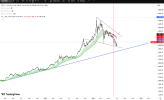
The People’s Bank of China increased its gold reserves by 480,000 troy ounces in June, extending its historic purchasing streak to twenty consecutive months. Total holdings reached 75.44 million ounces, marking the largest monthly acquisition since late 2023 and reinforcing Beijing's commitment to reserve diversification.

This accumulation occurred despite gold plunging 12% in June, dropping below $4,000 an ounce for its worst monthly retreat since 2008. The decline was fueled by heightened inflationary risks stemming from the conflict involving Iran and a hawkish Federal Reserve stance. Wall Street firms like Goldman Sachs and Deutsche Bank reduced their year-end targets.

pBOC.jpg