Daily Global Market Overview By zForex

Markets Hold Defensive Tone (06.09.2026)

The 10-year US Treasury yield held near 4.57%, close to a two-week high, as strong labor-market data reinforced expectations of a Federal Reserve rate hike later this year. While rates are expected to remain unchanged at the upcoming meeting, inflation data later this week will be closely watched. Easing tensions between Iran and Israel also helped reduce oil prices and inflation concerns.

The dollar index slipped below 100, pulling back from a nine-week high as demand for safe-haven assets eased. However, strong US employment data continued to support expectations of tighter Fed policy. Attention now turns to US inflation figures and this week's ECB rate decision.

US stock futures
edged lower after technology shares drove gains at the start of the week. Semiconductor stocks helped the S&P 500 and Nasdaq recover part of their recent losses, while upcoming earnings releases and inflation reports remain the main focus for markets.
  • The euro stayed just above $1.15, close to its lowest level since early April.
  • The Japanese yen weakened beyond 160 per dollar, a threshold frequently triggering official currency intervention.
  • The British pound stabilized around $1.33, matching its lowest point since mid-May.
  • The offshore yuan edged up toward 6.78 per dollar, recovering part of last week's decline.
  • Gold remained above $4,300 after the pause in hostilities between Iran and Israel.
  • Silver stabilized above $67 on Tuesday, alleviating fears of an expanded conflict and cooling energy-driven inflation anxieties.
  • Brent crude fell toward $93 per barrel as the halt in attacks Israel reduced immediate supply concerns.
  • The NAS100 traded in the 29,400–29,600 range as semiconductor stocks stabilized.
  • Bitcoin is currently consolidating around $62,600-$63,500 after briefly dipping below the key $60,000.

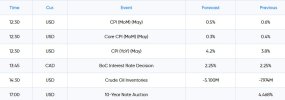
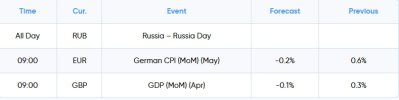
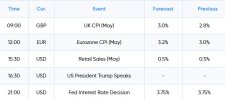
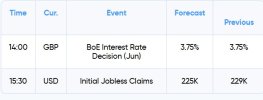
Economic Calendar​

eco-calendar-9-june.jpg

Check more on zForex.com - Technical Outlook on Charts

EUR/USD Holds Above $1.15
Gold Holds Near Support
Yen Hovers Past 160
Pound Near May Lows
Silver Holds Multi-Month Lows
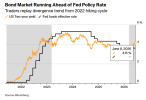
 

Treasuries Price in More Tightening

The $31 trillion US Treasury market is increasingly signaling that current interest rates may not be restrictive enough to bring inflation fully under control.

The 2-year Treasury yield has climbed to 4.15%, well above the Fed's current policy range of 3.5%-3.75%. The gap, which began widening in March, reflects growing expectations that borrowing costs may need to move higher.

Current pricing points to at least one 25-basis-point rate increase as early as October, supported by strong labor market data and concerns that heavy investment in AI could add further momentum to an already resilient economy.

Although Fed Chair Kevin Warsh has previously suggested policy was sufficiently restrictive, bond investors appear less convinced. Inflation risks continue to challenge hopes for lower interest rates in the near term.

Bond-market-running.png
 

Markets Try to Regain Stability Amid US-Iran Conflicts (06.10.2026)

The dollar index held near 100 after rebounding in the previous session, supported by renewed US-Iran tensions that lifted oil prices and kept inflation concerns in focus. Attention now turns to upcoming US inflation data.

US 10-year Treasury yields rose to around 4.54% as higher energy prices and stronger labor market data reinforced expectations that the Federal Reserve may need to keep policy restrictive for longer.

Japan’s 10-year government bond yield climbed to roughly 2.69% after producer prices surged 6.1% year-on-year in May, a three-year high. The stronger inflation reading strengthened expectations of a Bank of Japan rate increase in the coming months.

China’s annual inflation rate held at 1.2% in May, below forecasts. Higher transport costs offset weaker food prices, while core inflation eased and monthly consumer prices recorded a modest decline.
  • The euro climbed back toward $1.154 after touching a two-month low.
  • The Japanese Yen hovered around 160.3 per Dollar, hovering near its weakest level in over a year.
  • The British Pound climbed toward $1.34, rebounding from three-week lows
  • Gold fell below $4,200 per ounce, reaching its lowest level since late March.
  • Silver dropped toward $64 an ounce on Wednesday, touching its lowest level since late March
  • Brent crude moved back above $92 per barrel, recovering after renewed US-Iran tensions
  • The Nasdaq 100 slipped below 29,000 following a volatile session marked by sharp swings
  • The offshore yuan strengthened toward 6.77 per dollar after China's latest trade figures exceeded expectations.
  • Bitcoin traded near $61,421, staying above the recent low around $59,000 after a sharp decline.

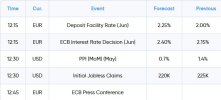
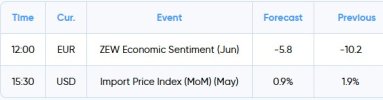
Economic Calendar​

eco-calendar-10-june.jpg

Check more on zForex.com - Technical Outlook on Charts

Euro Edges Higher Ahead of ECB
Gold Slides Below $4,200
Yen Stagnates Near Multi-Month Lows
Sterling Recovers Toward $1.34
Silver Drops Toward $64
 

China Turns AI Demand Into Export Power

China is becoming one of the biggest winners of the AI infrastructure boom.

Global demand for chips, servers, data centers, electronics, and automation equipment is lifting China’s high-tech exports. Reports suggest these exports are now generating more than $500 million per hour.

This shows AI is no longer just a software story. It is also reshaping global trade and manufacturing.

China’s export growth is now moving toward higher-value tech goods, while Taiwan, South Korea, and ASEAN countries remain key parts of the supply chain.

Even with tariffs and trade tensions, AI hardware demand is keeping regional trade strong.

The big question is whether this momentum can continue if global growth slows or restrictions get tougher. For now, AI competition is becoming a race for scale, production power, and supply chain control.

China-AI.jpg
 

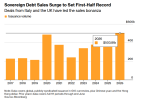
Global Government Borrowing Reaches Record Levels

Governments are raising debt at the fastest pace on record as spending on defense, infrastructure, energy transition projects, and debt refinancing continues to grow.
  • Global sovereign bond issuance reached $503.8 billion in the first half of 2026, exceeding the previous record set during the pandemic in 2020.
  • Italy, the UK, and Germany led issuance activity, with many governments bringing forward borrowing plans amid concerns that financing costs could rise further.
  • Demand has remained solid, particularly for shorter-term bonds, helping governments secure funding despite rising debt burdens.
The record pace of borrowing shows growing fiscal pressures and could influence interest rates, inflation, and economic growth in the months ahead.

sovereign-debt.png
 

Dollar Strength Persists as Risks Rise (06.11.2026)

US stock futures moved lower as rising energy prices added to inflation concerns. Oracle fell more than 10% after announcing plans for a $20 billion fundraising round, while attention shifted to Friday's highly anticipated SpaceX IPO.

The dollar index held near 100 as tensions in the Middle East and disruptions around the Strait of Hormuz kept inflation concerns alive. Recent US inflation data showed the fastest annual increase in more than three years, reinforcing expectations that the Federal Reserve could raise rates later this year.

US 10-year Treasury yields remained close to 4.55%, supported by persistent inflation pressures and expectations that monetary policy may stay restrictive for longer.

In Japan, the Nikkei 225 dropped 2.1% below 63,000 and the Topix lost 1.4%. Technology and AI-related shares led the decline, while expectations for a Bank of Japan rate increase next week remained a key theme.

Economic Calendar​

eco-calendar-11-june.jpg
  • The euro traded near $1.154, remaining close to its lowest level in more than two months.
  • The Japanese yen hovered near 160.5 per dollar, remaining close to its weakest level in nearly two years.
  • The British pound traded just under $1.34 as mounting Middle East frictions and expectations of tighter Bank of England policy drove sentiment
  • The offshore yuan strengthened toward 6.77 per dollar as producer inflation reached its highest level since 2022
  • Gold slipped below $4,100 per ounce after stronger US inflation data.
  • Silver held above $63 on Thursday as markets assessed fluid Middle East developments.
  • The Nasdaq 100 fell to 28,650 as losses in semiconductor and AI-related shares weighed on the index.
  • Brent crude slipped toward $94 per barrel, giving back part of its recent advance.
  • Bitcoin remains caught between resistance at 63,200 and support at 60,000 after recent weakness.

Check More on zForex.com - Technical Outlook on Charts

Euro Near Multi-Month Lows
Gold Settles Below $4,100
Yen Soft Near 160.5
Pound Pressured Near $1.34
Silver Stabilizes Above $63
 

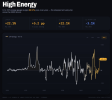
US Inflation Cools Under the Surface, But Energy Keeps Pressure Alive

The latest US inflation report gave markets a mixed signal. Headline inflation stayed high, mainly due to the sharp rise in energy prices, while core inflation looked more stable.

This shows inflation is still sensitive to oil, fuel prices, and geopolitical risk. Broader price pressure may be cooling, but another energy spike could quickly push headline CPI higher again.

For the Fed, the report is not enough to turn dovish. Softer core details may calm markets, but energy volatility keeps the risk of higher-for-longer rates alive.

Overall, inflation is not spiraling, but it is not fully under control either.

high-energy.png
 

ECB Hike Fails to Lift Euro (06.12.2026)

U.S. stock futures stabilized on Friday as market participants pivoted attention to the landmark public debut of SpaceX. The aerospace giant is projected to launch what could become the largest initial public offering in history, with an estimated valuation nearing $1.8 trillion. Broader investor sentiment remains supported by recent strong gains across major equity indexes and encouraging diplomatic signals pointing to progress in U.S.–Iran negotiations.

Japan’s 10-year government bond yield dropped to a one-week low near 2.65% ahead of next week's highly anticipated Bank of Japan monetary policy meeting. Economists broadly forecast a 25 basis point rate increase to 1%, driven by sticky domestic inflation and currency weakness. Notably, BOJ Governor Kazuo Ueda will miss the policy proceedings due to hospitalization. The debt market found additional support from declining U.S. Treasury yields and a cooling geopolitical risk premium.

The U.S. 10-year Treasury yield hovered near 4.47% following a sharp drop in the prior session. Optimism over a breakthrough in Washington–Tehran relations pulled crude prices lower, directly reducing immediate inflation anxieties and relieving pressure on sovereign bonds. Nevertheless, the macroeconomic backdrop remains complicated; recent data revealed that U.S. producer inflation accelerated at its fastest annual clip since late 2022, ensuring the Federal Reserve keeps future interest rate hikes on the table.

The U.S. dollar index edged up to approximately 99.8, though it stayed capped as safe-haven demand receded. Sentiment turned positive after President Trump hinted that a peace accord could be finalized within days, pushing energy markets lower. However, underlying dollar support persists after May producer prices jumped 6.5% year-on-year, reinforcing expectations of a hawkish Fed bias.
  • The euro traded near 1.1570, hitting its lowest point since early April.
  • The Japanese yen softened toward 160.2 per dollar, paring earlier gains.
  • The British pound consolidated just under $1.34 as expectations of further BoE tightening.
  • Brent crude tumbled to approximately $89 per barrel, hitting a nearly two-month low.
  • The Nasdaq-100 jumped 3.29% to 29,446.18 as cooling Middle East frictions lifted risk appetite.
  • The offshore yuan appreciated toward 6.76 per dollar as investors evaluated China's latest inflation prints.
  • Gold maintained its footing near $4,200 on Friday following a 3% rebound in the previous session.
  • Silver stabilized near $67 after a previous 6% rebound, supported by easing inflation concerns.
  • Bitcoin traded near $63,630 after recovering from recent drops, consolidating within a $61,139–$63,964 window.

Economic Calendar​

eco-calendar-12-june.jpg

Check More on zForex.com - Technical Outlook on Charts

Euro Retreats Post-ECB Hike
Gold Pauses Near $4,200
Yen Softens Prior to BOJ
Pound Holds Below $1.34
Silver Hovers Around $67
 

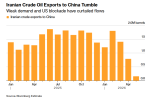
Iran’s Oil Trade with China is Challenged

Iranian oil exports to China reportedly fell from 1.8 million barrels per day in February to merely 160,000 in May, marking a severe trade disruption.

This steep decline stems from tepid demand among Chinese independent refiners, cheaper Russian alternatives, and mounting U.S. pressure. The slowdown threatens Tehran’s primary revenue stream.

iranian-crude-oil.png
 

U.S.–Iran Peace Deal Increases Risk Appetite (06.15.2026)

Gold advanced past $4,300 per ounce on Monday, June 15, 2026, marking its third consecutive winning session. This sustained momentum follows a historic peace agreement between the United States and Iran designed to reopen the Strait of Hormuz.

The diplomatic breakthrough triggered a sharp decline in crude oil prices to a two-month low, subsequently easing global inflation anxieties and reducing the immediate threat of aggressive central bank rate hikes. Scheduled for a formal signing in Switzerland on June 19, the pact outlines the removal of naval blockades, extensive sanctions relief for Tehran, and the dismantling of Iran's nuclear program.

With the geopolitical risk premium dissolving in energy markets, investors rotated capital back into bullion, anticipating that lower fuel costs will grant monetary authorities room to adopt more accommodative stances. This shifting sentiment comes ahead of a crucial week for global monetary policy.

The U.S. Federal Reserve will hold its inaugural meeting under newly appointed Chair Kevin Warsh, where policymakers are widely expected to keep interest rates steady to evaluate the disinflationary effects of cheaper oil. Similarly, the Reserve Bank of Australia is projected to maintain its current stance, whereas the Bank of Japan appears poised to execute a rate hike to support the yen. Ultimately, retreating oil prices, cooling geopolitical tensions, and expectations of paused rate cycles keep gold firmly embedded in bullish territory.

Economic Calendar​

eco-calendar-15-june.jpg
  • The euro climbed to $1.1606, clearing resistance and securing a weekly gain.
  • The Japanese yen edged up to 160.08 per dollar, recovering modestly.
  • The British pound traded around $1.3453, gaining ground as the landmark U.S.–Iran peace agreement eased Middle East tensions and expectations of tighter Bank of England policy supported sentiment.
  • The offshore yuan appreciated toward 6.7570 per dollar, moving past key technical thresholds.
  • Gold soared past $4,325 per ounce on Friday, expanding its rally following the formal announcement of a landmark U.S. and Iran peace agreement
  • Silver fluctuated near $70.43 per ounce, maintaining its upward momentum after surging over 6% in the previous session.
  • Brent crude slid toward $83.20 per barrel, hitting its lowest level in several months following the formal U.S. and Iran peace agreement.
  • The Nasdaq-100 extended its rally to 30,189, climbing decisively above the prior 29,670 resistance level.
  • Bitcoin advanced toward $65,695, extending its recovery and breaking above prior resistance at $65,600 as buying pressure built.

Check more on zForex.com - Technical Outlook on Charts

Euro Rallies Past 1.1600
Gold Surges Past $4,325
Yen Keeps Firm Before BOJ
Sterling Climbs Near 1.3453
Silver Holds Near $70.43
 

Markets Rally on US-Iran Peace Deal​

Global markets rebounded sharply following the official U.S.–Iran peace agreement.
  • U.S. Treasury yields dropped as cooling energy costs alleviated inflation anxieties, diminishing the perceived need for aggressive central bank rate hikes.
  • Equities across the U.S. and Asia recouped conflict-related losses.
This reduction in geopolitical risk, paired with softer crude prices, has revitalized investor sentiment, rotating capital away from traditional safe havens and back into growth-focused risk assets like technology and artificial intelligence.

stocks rebound.png

treasury yields.png
 

Markets Keep Steady Focusing on the Peace Deal (06.16.2026)

Gold held steady near $4,310 per ounce on Tuesday, consolidating recent gains as investors processed the week's first major central bank decision. Bullion has recovered over the past three sessions following the landmark U.S.–Iran peace agreement, which reopens the Strait of Hormuz and has dragged crude prices down to multi-month lows, easing inflation anxieties. Under the accord, which will be formally signed in Switzerland on June 19, naval blockades will lift alongside sanctions relief for Tehran, effectively removing the war premium from energy markets as Brent slips below $84 and WTI trades around $81.

Meanwhile, the Bank of Japan made headlines by raising its benchmark rate by 25 basis points to 1.00%, its highest level since 1995. This widely anticipated step toward normalization aims to support the yen amid resilient domestic wage growth, shifting investor focus toward the future pace of monetary tightening and balance sheet reduction.

Market attention now pivots to Washington for the Federal Reserve's policy meeting, the first under new Chair Kevin Warsh. While rates are expected to hold at 3.50%–3.75% on Wednesday. The updated economic projections and dot plot will reveal whether the Fed maintains an easing bias or signals a potential year-end hike.

Economic Calendar​

eco-calendar-16-june.jpg

  • The euro hovered near a two-week high around 1.1590 on Tuesday, supported by a softer dollar.
  • The yen firmed toward 160.15 per dollar Tuesday as the BOJ delivered a widely anticipated 25-basis-point rate hike to 1%
  • The British pound stabilized around $1.3405 on Tuesday, supported by the finalized U.S.–Iran peace agreement and expectations of a firm Bank of England stance.
  • The offshore yuan stabilized near 6.7608 per dollar on Tuesday, maintaining its strongest level in a year
  • Gold held firm near $4,310 on Tuesday, consolidating a three-day rally after the signed US-Iran peace agreement.
  • Silver stabilized near $69.80 per ounce on Tuesday, maintaining its broader upward trajectory following a powerful 6% surge in the prior session.
  • Brent crude steadied near a multi-month low around $83.20 a barrel Tuesday.
  • The Nasdaq-100 surged 2.6% to 30,412 on Monday, achieving a multi-week high
  • Bitcoin held firm around $65,700 on Tuesday, extending its recovery from early-June lows

Check More on zForex.com - Technical Outlook on Charts

Euro Hovers Near Peak
Gold Holds Above $4,300
Yen Gains on BOJ Hike
Sterling Defends 1.3400
Silver Consolidates Gains
 

China Reshapes Oil Market

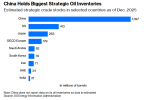
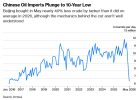
China's crude imports fell to a ten-year low in May, falling more than 45% below the 2025 average.

Analysts report that during the Strait of Hormuz crisis, Beijing mitigated import reliance by tapping its massive 1.4-billion-barrel strategic reserve, expanding electric vehicle adoption, and utilizing domestic energy. This strategic pivot successfully averted a global oil price spike.

1f4cc.png
If China continues to counter supply shocks by reducing external buying and drawing down stockpiles, its role could permanently shift from the world's top importer to a major price stabilizer, exerting long-term downward pressure on energy markets.

china-1.png

china-2.png
 

Focus Shifts to Warsh Guidance

Market expectations are exceptionally clear, with pricing indicating a probability over 99% that the Federal Reserve will hold interest rates steady at this meeting.

The primary market driver will not be the interest rate decision itself, but rather the specific policy messages and forward guidance delivered by the new Chairman, Kevin Warsh.

Fed-expect.png
 

Markets Embrace a Risk-On Mood (06.17.2026)

The deal between Tehran and Washington is expected to be signed in Switzerland, including reopening the Strait of Hormuz and the immediate return of Iranian oil exports. Expectations of stronger supply pushed Brent crude toward $78 per barrel, its lowest level since early March, extending a five-day decline despite an 8.3 million-barrel drop in US crude inventories. Additional supply from the UAE and higher OPEC+ quotas added to the pressure.

Lower oil prices eased inflation concerns and supported demand for precious metals. Gold climbed above $4,300 per ounce, securing a weekly gain of more than 2%, while silver rose around 3% toward $70. The shift also softened interest rate expectations. The Federal Reserve is expected to leave rates unchanged at its upcoming meeting, the first under Chair Kevin Warsh. The Reserve Bank of Australia kept rates at 4.35%, while the Bank of Japan raised its policy rate by 25 basis points to 1%.

Equities and cryptocurrencies showed a more mixed performance. The US 100 Tech Index fell 1.89% to 30,065, bringing its monthly decline to 3.69%, while longer-term projections point to further cooling toward 27,302 over the next year. Bitcoin rose 0.32% to 65,773, maintaining a four-week gain of 14.52%, with analyst forecasts targeting 71,934 over the coming twelve months.

Economic Calendar​

eco-calendar-17-june.jpg

  • The euro climbed to $1.16, its strongest level since early June, after the US and Iran agreed to end their three-month conflict.
  • The Japanese yen hovered around 160.4 per dollar, staying weak despite stronger trade figures and a recent rate hike by the central bank.
  • The British pound surged past $1.34, touching its highest level since early June as global risk appetite improved following the preliminary U.S.–Iran diplomatic accord.
  • The offshore yuan eased toward 6.75 per dollar, retreating from a recent three-year high as China's economic data delivered mixed signals. Property prices fell for a 35th straight month.
  • Gold traded above $4,300 per ounce, maintaining a gain of more than 2% for the week. Progress toward a US-Iran agreement has improved the outlook for energy supply.
  • Silver stabilized around $70 per ounce on Wednesday, locking in a 3% weekly gain as financial markets anticipated Friday's signing of a short-term U.S.–Iran peace pact in Switzerland.
  • Brent crude fell toward $78 per barrel, marking a fifth consecutive daily decline and its lowest level since early March.
  • Bitcoin traded near 65,773, gaining 0.3% on the day and extending its recent recovery. The cryptocurrency has advanced more than 14% over the past month.
  • The US 100 Tech Index fell 1.9% to 30,065, extending its recent pullback. Despite losing 3.7% over the past month, the index remains up more than 38% compared with a year ago.

Check more on zForex.com - Technical Outlook on Charts

Euro Rebounds to $1.16
Gold Pauses Above $4,300
Yen Pauses Near 160.4
Sterling Rebounds Past 1.34
Silver Stays Firm Near $70
 

Hawkish Fed Supports Dollar (06.18.2026)

As the Fed left rates unchanged at 3.50%-3.75%, the first meeting under Chair Kevin Warsh delivered a tougher message than expected. Policymakers raised their year-end rate outlook, inflation remained the primary concern, and expectations for near-term rate cuts faded. The dollar index climbed 1% to 100.50, while the 2-year Treasury yield jumped to 4.22%. Gold retreated below $4,300 after testing $4,350 earlier in the week, and silver eased toward $70.

The reopening of the Strait of Hormuz and the return of Iranian oil exports pushed Brent crude toward $79 per barrel, its lowest level since March. Additional supply from the UAE, higher OPEC+ quotas, and IEA warnings of a future supply surplus added to the pressure, outweighing an 8.3 million-barrel decline in US inventories.

Economic Calendar​

eco-calendar-18-june.jpg

  • The euro briefly reached $1.16, its strongest level since early June, after the US and Iran agreed to end their three-month conflict.
  • The yen weakened toward 161 per dollar despite stronger economic data and the Bank of Japan's recent rate increase.
  • The British pound hit a peak past $1.34 following a preliminary U.S.–Iran diplomatic accord, but retraced to $1.33 after yesterday’s hawkish Federal Reserve decision supported the dollar.
  • The offshore yuan weakened toward 6.79 per dollar, extending its retreat from a recent three-year high as a stronger dollar combined with mixed Chinese economic data.
  • Gold climbed above $4,300 earlier this week, securing a gain of more than 2% as the US-Iran agreement improved the outlook for global oil supply.
  • Silver prices stabilized near $70 per ounce, maintaining a 3% weekly gain as financial markets prepared for Friday's formal U.S.–Iran peace pact ceremony in Switzerland.
  • Brent crude held near $77.80 per barrel, close to its lowest level since early March after a five-session decline.
  • Bitcoin traded around 63,650, extending its pullback after the Federal Reserve's latest decision strengthened the dollar and pushed yields higher.The US 100 Tech Index fell 1.89% to 30,065 after the Federal Reserve signaled that further rate increases remain possible.

Check more on zForex.com - Technical Outlook on Charts

Euro Retreats From $1.16 High
Gold Retreats Below $4,300
Yen Slides Toward 160.60
Sterling Slips to $1.33
Silver Tests $70 Pivot
 

Fed's New Era Begins With a Warning

The Federal Reserve left interest rates unchanged at 3.50%-3.75%, exactly as expected, yet the reaction across financial markets suggested this was far from a routine meeting. Updated projections showed policymakers are once again considering another rate increase before year-end, challenging the growing belief that the next move would be lower rather than higher.

fed-warsh.jpg

Kevin Warsh's First Message

The June meeting marked the beginning of the Kevin Warsh era at the Federal Reserve, and the shift in tone was immediately noticeable.

Rather than offering a clear roadmap for future policy decisions, Warsh emphasized flexibility and the importance of incoming economic data. The result was a message with fewer promises, fewer clues, and a greater willingness to adapt as conditions change. For markets accustomed to detailed guidance from central banks, that alone represented a meaningful change.

Inflation Still Has the Final Word

The Fed's statement made it clear that inflation remains the main concern. While some price pressures have eased, policymakers remain reluctant to signal any path toward lower rates. Energy costs, resilient economic activity, and inflation that remains above target continue to support a cautious approach. The message was simple: the fight against inflation is not over.

Markets Quickly Adjust

Financial assets responded as expectations shifted. Treasury yields moved higher, the dollar strengthened, and precious metals retreated as hopes for near-term rate cuts faded. Equities also surrendered earlier gains as traders adjusted to the prospect of restrictive policy lasting longer than expected. The market reaction highlighted an important reality: keeping rates unchanged does not always mean maintaining the status quo.

Less Guidance, More Data

The Federal Reserve appears to be moving toward a model that places less emphasis on guiding expectations and more emphasis on reacting to economic developments as they unfold. That approach gives policymakers greater flexibility, but it also leaves markets with fewer signals to follow. The focus is shifting away from what the Fed says it might do and toward what inflation, employment, and growth data suggest it must do. The first Warsh-led meeting might not have delivered a rate hike, but a reminder that uncertainty has returned to the center of monetary policy.
 

Dollar Pressures Markets as Fed Stays Hawkish (06.19.2026)

A stronger US dollar and expectations of tighter Federal Reserve policy remained the dominant theme across financial markets. EUR/USD traded under pressure, gold headed for a third straight weekly loss, and Bitcoin weakened as higher-rate expectations reduced demand for non-yielding and speculative assets.

USD/JPY stayed near multi-decade highs despite recent BOJ tightening, while USD/CNH remained in a broader downtrend as the yuan held near multi-week highs. In commodities, Brent crude moved sharply lower as the reopening of the Strait of Hormuz eased supply concerns, reversing most of the gains seen during the Middle East conflict.

On the equity side, Nasdaq gains cooled after renewed uncertainty surrounding US-Iran talks, although technology and semiconductor stocks continued to find support from AI-related optimism.

Economic Calendar​

eco-calendar-19-june.jpg


Check more on zForex.com - Technical Outlook on Charts

  • The EUR/USD is trading near the 1.1420 to 1.1450 level as broad dollar strength followed a more hawkish message from the Federal Reserve.
  • During early European trading on Friday, GBP/USD attracted renewed buying interest, lifting the pair back to the 1.3200 threshold
  • USD/CNH traded around 6.78, with the offshore yuan holding near multi-week highs as the pair remained under pressure within a broader downward trend.
  • Gold headed for a third consecutive weekly decline, falling as much as 2.1% to around $4,122 per ounce, as expectations for tighter Federal Reserve policy outweighed support from the US-Iran interim peace agreement.
  • During Friday's Asian trading hours, spot silver retreated toward $64.40 per troy ounce, marking its third consecutive daily decline.
  • The yen remained near four-decade lows despite Japan’s recent rate hike and earlier currency intervention. USD/JPY traded around 161.20 after touching a two-year high
  • Brent crude traded near $79 per barrel and was headed for a weekly decline of around 10%, as improving conditions in the Strait of Hormuz eased concerns over global supply disruptions.
  • Nasdaq moved lower, giving back part of the previous session’s gains after the US and Iran unexpectedly canceled scheduled talks in Switzerland, raising questions about the durability of the recent peace agreement.
  • Bitcoin fell on Friday and was on track for a weekly loss, pressured by uncertainty surrounding the US-Iran peace process and expectations of higher US interest rates.
 

The Peace Deal Holds

Iran has postponed planned nuclear talks with the United States after new clashes between Israel and Hezbollah disrupted diplomatic efforts.

The Switzerland meeting was delayed after Tehran linked further negotiations to maintaining a stable ceasefire in Lebanon. Neither the Iranian delegation nor US Vice President JD Vance attended.

The delay complicates President Trump's recent agreement with Iran, which included sanctions relief, the reopening of Iranian ports, and the restoration of shipping through the Strait of Hormuz.

Oil prices have eased on expectations of improved flows through Hormuz, but ongoing security concerns and proposed Iranian shipping measures continue to cloud the outlook.

The two sides are expected to resume talks later, with discussions focused on Iran's uranium enrichment program and the future of the ceasefire framework.
 

Markets Stabilize on Peace Hopes (06.22.2026)

US–Iran talks in Switzerland faced fresh strain after reports that the Iranian delegation briefly walked out following comments from Donald Trump. The discussions, mediated by Qatar and Pakistan and involving senior officials including US Vice President JD Vance, later resumed despite reports of a temporary suspension.

Attention remained split between the negotiations and upcoming US PCE inflation data. US stock futures moved lower, while the 10-year Treasury yield climbed to around 4.48% as expectations for further Fed tightening persisted after last week's hawkish signals.

The dollar index traded near 100.8, close to its highest level since May 2025, supported by rate hike expectations and anticipation of the inflation report. Reports that both sides had agreed to continue working toward a potential deal over the next 60 days helped ease some geopolitical concerns, though uncertainty surrounding the talks remained.
  • The euro remained near $1.145, its lowest level since mid-March, and was on track for a weekly loss of around 1% as demand for the US dollar stayed strong.
  • The British pound rebounded above $1.32, clawing back intraday losses despite declining near a two-month trough and heading for a 1% weekly drop against the dollar.
  • The yen weakened to around 161.5 per dollar, trading close to its lowest level since 1986. Intervention warnings from Japanese officials had little impact.
  • The offshore yuan edged higher to around 6.77 per dollar, recovering part of its recent losses as sentiment improved following progress in US–Iran negotiations.
  • Gold rebounded toward $4,200 per ounce as easing oil prices reduced some inflation concerns following reports of a 60-day US–Iran peace framework.
  • Silver advanced near $66 per ounce, retracing recent drops as plunging oil prices, fueled by a prospective 60-day U.S.–Iran peace framework, redirected capital flows.
  • The Nasdaq 100 continues to consolidate after a strong rally, with the broader uptrend remaining intact. Momentum has moderated near record highs.
  • Brent crude slipped below $80 per barrel as improving US–Iran negotiations eased concerns over supply disruptions.
  • Bitcoin remains range-bound after its 2025–2026 peak, fluctuating between $60,000 and $66,000.

Check more on zForex.com - Technical Outlook on Charts

Euro Weakens Toward $1.145
Gold Rebounds Toward $4,200
Yen Sinks Near 1986 Lows
Sterling Recovers Above 1.3200
Silver Climbs Toward $66