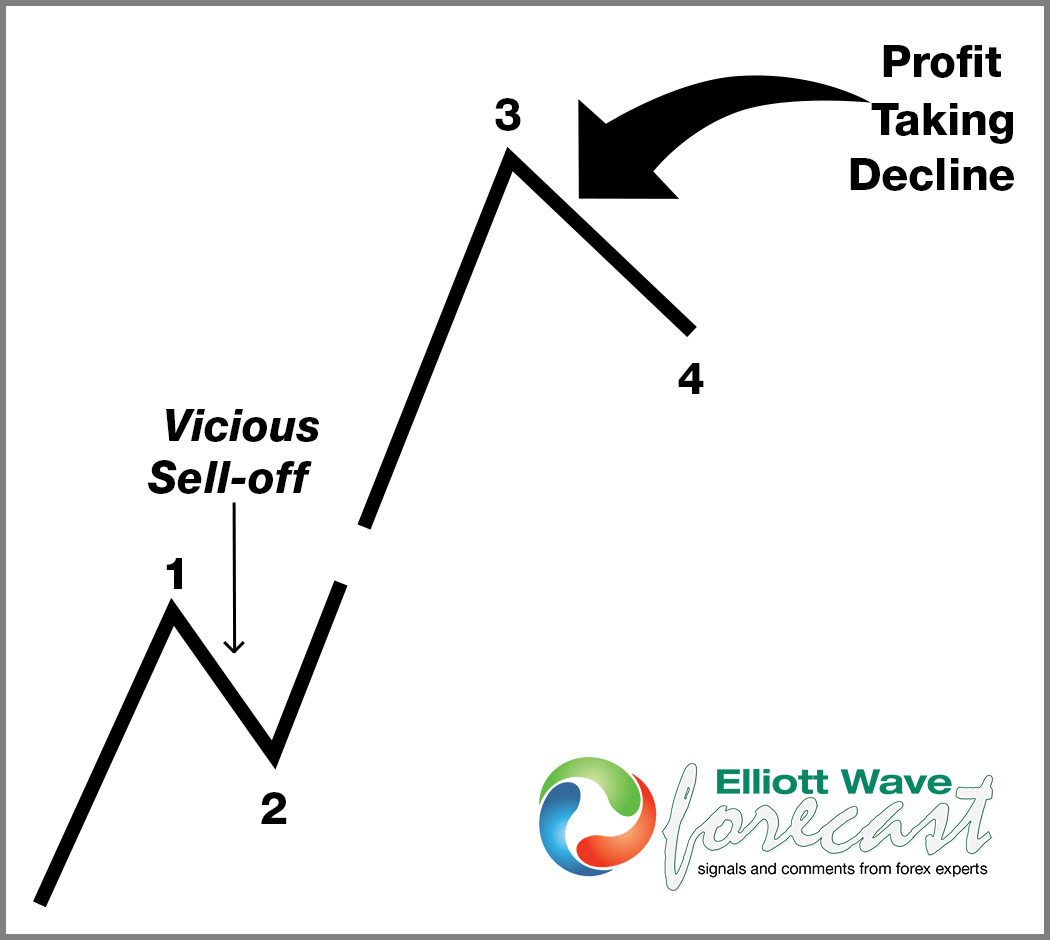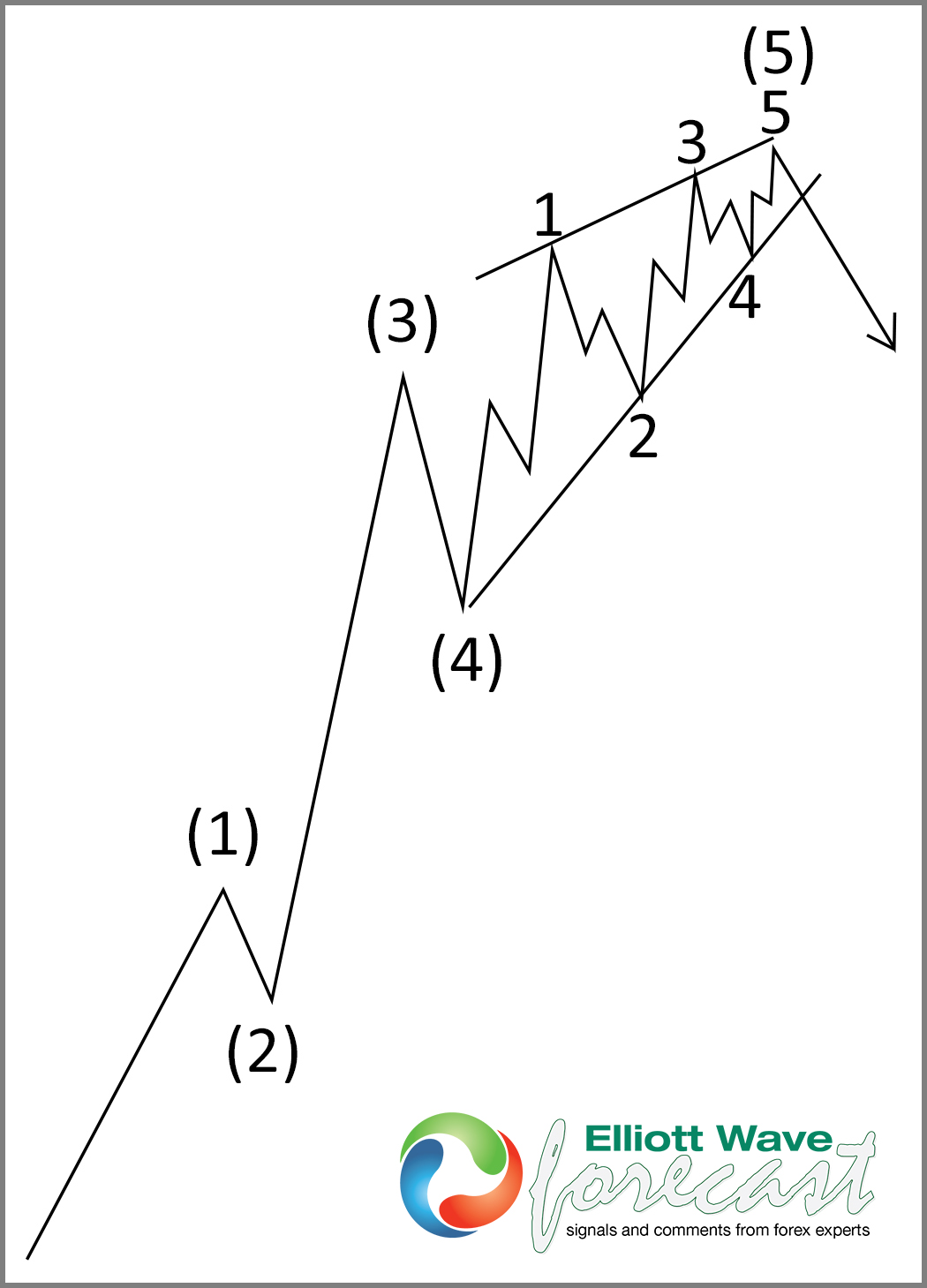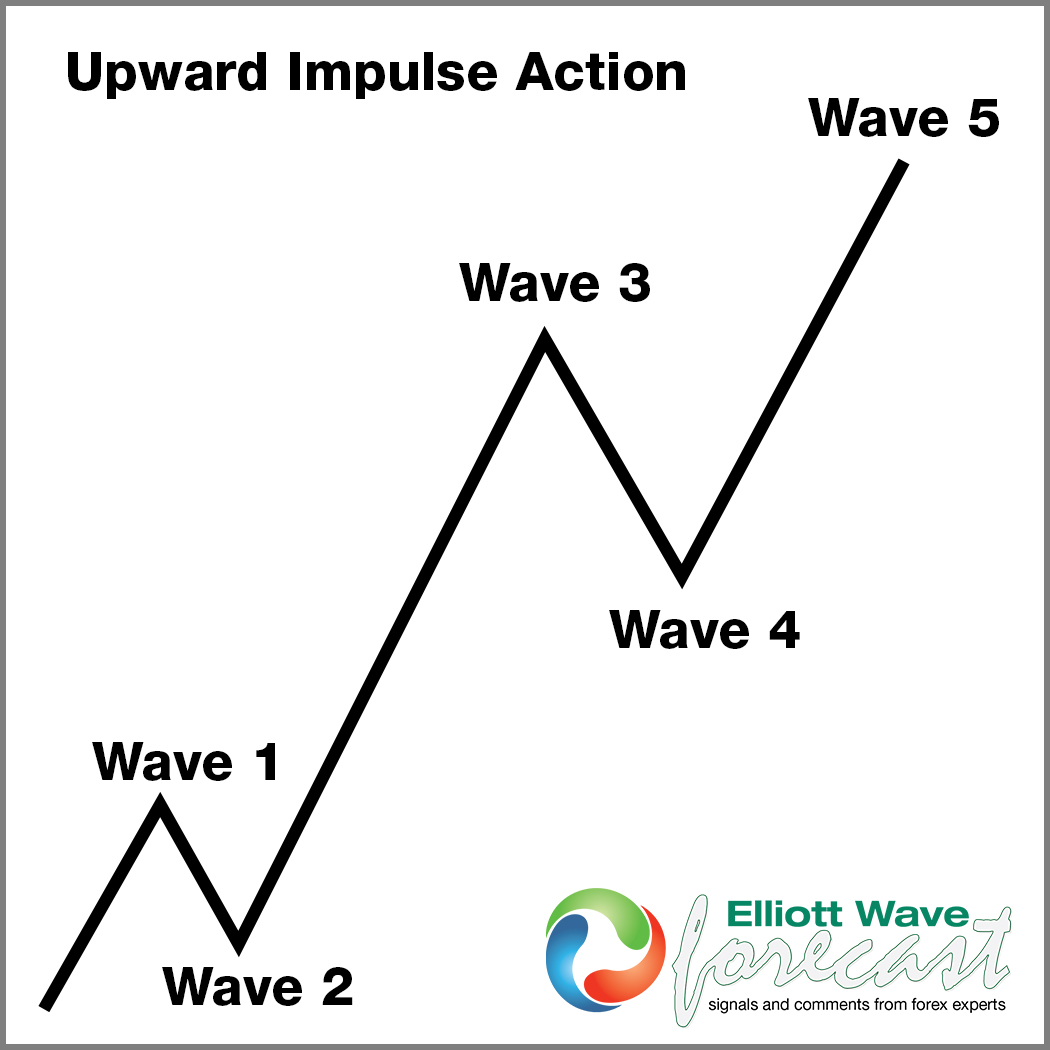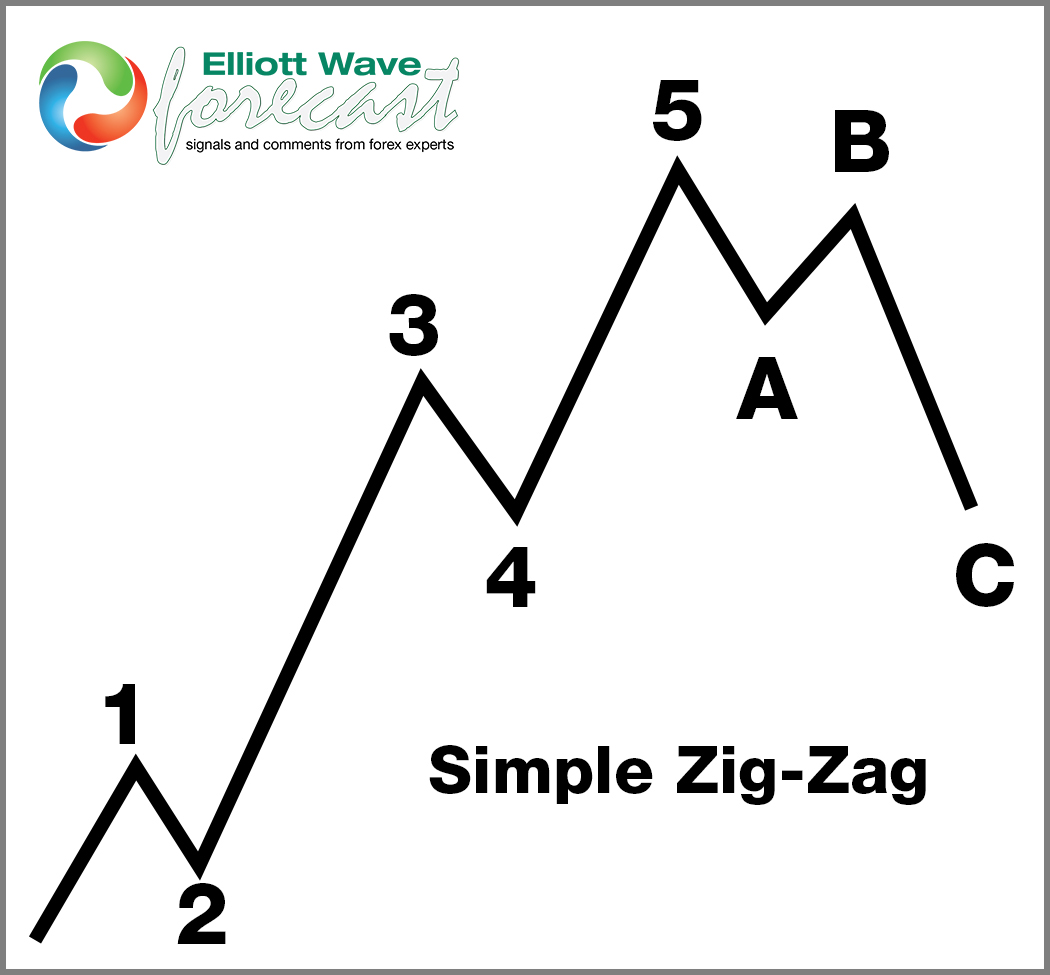
Elliott Wave Analysis by EWF

Pan American Silver Corp. (NYSE: PAAS, TSX: PAAS) is one of the world’s leading silver producers, operating mines and exploration projects across the Americas. The company also produces gold and other base metals, positioning itself as a diversified precious metals miner with a strong long-term growth profile. In this article, we will look at the long term Elliottwave path of the stock.

PAAS Monthly Elliott Wave Chart​

PAAS-Monthly20260210185139-300x154.jpg


Pan American Silver completed wave ((II)) of the Grand Supercycle at the $5.70 low, establishing a major long-term pivot. From that foundation, the stock has embarked on wave ((III)), unfolding as a bullish impulse. Wave (I) advanced to $40.11 before a corrective wave (II) retraced to $12.16. The rally then resumed in wave (III), within which wave I peaked at $28.60 and wave II pulled back to $20.55. Wave III of higher degree extended to $69.99, followed by a wave IV correction that ended at $52.16. As long as the $5.70 low remains intact, corrective pullbacks are expected to attract buyers within the 3-, 7-, or 11-swing sequence, reinforcing the case for further upside in the long-term structure

PAAS Daily Elliott Wave Chart​

PAAS-Daily20260210191135-300x154.jpg


Pan American Silver (PAAS) began its rally from the February 28, 2024 low at $22.08, completing wave I at $28.60 before undergoing a corrective wave II that returned to the same $22.08 pivot. From that foundation, the stock launched into wave III, which has unfolded as a well-defined impulsive structure. Wave ((1)) carried prices to $42.57, followed by a wave ((2)) correction down to $33.08. The next advance lifted the stock to $55.85, marking the completion of wave ((3)), before a pullback in wave ((4)) ended at $49.61. The final leg of the sequence, wave ((5)), extended to $69.99, completing wave III of higher degree. A subsequent wave IV correction then found support at $52.16. Looking ahead, as long as the $22.08 pivot remains intact, pullbacks are expected to hold within the 3, 7, or 11 swing sequence, providing a supportive structure for further upside potential.

Source: https://elliottwave-forecast.com/st...ore-gains-ahead-for-pan-american-silver-paas/
 
Hello everyone! In today’s article, we’ll review the recent performance of Metals & Mining ETF ($XME) through the lens of Elliott Wave Theory. We’ll look at how the pullback from all-time highs unfolded as a textbook 3-swing correction and discuss what could come next. Let’s explore the structure and the expectations for this ETF.

5 Wave Impulse Structure + ABC correction​

$GOOGL

$XME 1H Elliott Wave Chart 1.30.2026:​

$XME

In the 1-hour Elliott Wave count from Jan 30, 2026, we saw that $XME completed a 5-wave impulsive cycle at blue (3). As expected, this initial wave prompted a pullback. We anticipated this pullback to unfold in 3 swings, likely finding buyers in the blue box area between $119.25 and $112.01.

This setup aligns with a typical Elliott Wave correction pattern (ABC), in which the market pauses briefly before resuming its primary trend.

$XME 1H Elliott Wave Chart 11.10.2025:​

$XME

The latest update, from Feb 10, 2026, shows that the ETF bounced as predicted. Currently, it is trading higher in wave (3) of ((1)) looking for continuation higher towards new ATHs to finish 5 waves from the Jan 30th low.

Conclusion

To conclude, our Elliott Wave analysis of Metals & Mining ETF ($XME) suggests that it remains supported against Jan 2026 lows. Thus, traders that bought the dip should get risk free by booking half profits and moving the stop loss to the recent low. Additionally, keep an eye out for any corrective pullbacks that may offer entry opportunities.

By applying Elliott Wave Theory, traders can better anticipate the structure of upcoming moves and enhance risk management in volatile markets.

Source: https://elliottwave-forecast.com/vi...-blue-box-area-offering-a-buying-opportunity/
 
In this technical blog, we will look at the past performance of the 1-hour Elliott Wave Charts of EURUSD. In which, the rally from 05 November 2025 low is unfolding as a diagonal & showed a higher high sequence therefore, called for an extension higher to take place. We knew that the structure in EURUSD should remain supported & extend higher. So, we advised members not to sell the pair & buy the dips in 3, 7, or 11 swings at the blue box areas. We will explain the structure & forecast below:

EURUSD 1-Hour Elliott Wave Chart From 1.31.2026​

[caption id="attachment_975657" align="aligncenter" width="992"]
EURUSD-6020260131202303-1024x508.jpg
EURUSD Validates Elliott Wave with Perfect Blue Box Reaction[/caption]
Here’s the 1- hour Elliott wave Chart from the 1.31.2026 Weekend update. In which, the rally to $1.2082 high completed wave 3 & made a pullback in wave 4. The internals of that pullback unfolded as Elliott wave double three correction where wave ((w)) ended at $1.1895 low. A rally to $1.1996 high-ended wave ((x)). Then started the next leg lower in wave ((y)) towards $1.1806- $1.1688 blue box area. From there, buyers were expected to appear looking for new highs ideally or for a 3-wave bounce minimum.

EURUSD Latest 1-Hour Elliott Wave Chart From 2.12.2026​

[caption id="attachment_975658" align="aligncenter" width="992"]
EURUSD-6020260212093833-1024x525.jpg
EURUSD Validates Elliott Wave with Perfect Blue Box Reaction[/caption]
This is the latest 1-hour Elliott wave Chart from the 2.12.2026 Asia update. In which the pair is showing a strong reaction higher taking place, right after ending the correction within the blue box area. Allowed members to create a risk-free position shortly after taking the long position at the blue box area. However, a break above $1.2082 high is needed to confirm the next extension higher. Towards $1.2158- $1.2279 ( minimum extension target) and avoid deeper correction lower.

Source: https://elliottwave-forecast.com/bl...-elliott-wave-with-perfect-blue-box-reaction/
 
Hello everyone! In today’s article, we’ll examine the recent performance of Consumer Staples ETF ($XLP) through the lens of Elliott Wave Theory. We’ll review how the rally from the October 06, 2023, low unfolded as a 5-wave impulse and discuss our forecast for the next move. Let’s dive into the structure and expectations for this ETF.

5 Wave Impulse + 7 Swing WXY correction​

$XLP Weekly Elliott Wave Chart 1.18.2026:​

In our January 18, 2026 weekly Elliott Wave analysis of $XLP (Consumer Staples Select Sector SPDR Fund), the structure was signaling that a major corrective phase had likely run its course.

From the October 2023 low, $XLP appeared to complete a 5-wave impulsive cycle, followed by a double zigzag (WXY) correction into Apr 2025 low. Another 5-wave impulsive cycle took place, followed by a correction into Nov 2025 low at blue (2). With that corrective and cyclical sequence seemingly finished, our focus shifted to the next bullish phase.

At that time, we identified the rebound as the early stages of wave (3), where momentum typically accelerates. The expectation was straightforward: a push into new all-time highs should follow soon, assuming the market continued to respect the developing bullish structure.

$XLP Weekly Elliott Wave Chart 2.08.2026:​

Fast forward to the February 8, 2026 update, and the market delivered the follow-through.

$XLP rallied into all-time highs, matching the roadmap laid out in the prior weekly count. The ETF now appears to be trading higher in wave (3) of ((1)), with the broader move still aiming for continuation.

From here, the projected upside path targets the 94–106 zone, which would complete a 5-wave advance from the April 2025 low. As long as price remains aligned with the current impulse, the bias stays pointed higher as $XLP works toward finishing out that larger 5-wave structure.

Conclusion

In conclusion, our analysis of $XLP continues to prove accurate, suggesting that the ETF remains well-supported against its April and Nov 2025 lows. For traders who capitalized on the opportunity presented, the $94 –$106 zone should be closely monitored as the next significant objective. In the interim, keeping a vigilant eye out for any healthy corrective pullbacks could present fresh entry opportunities for those looking to join the trend.

By applying the principles of Elliott Wave Theory, traders can gain a deeper understanding of market cycles, better anticipate the structure of upcoming moves, and ultimately enhance their risk management strategies in dynamic markets like the current one for $XLP.

Source: https://elliottwave-forecast.com/st...om-blue-box-area-with-258-target-still-ahead/
 
The XBI enters the first quarter of 2026 with a stable but cautious tone. Investors see improving liquidity, yet risk appetite remains selective. Moreover, late‑stage companies attract more attention as early‑stage names still face tighter funding. This dynamic creates a mixed environment across the sector.

Furthermore, regulatory activity stays steady as the FDA maintains a normal approval pace. This consistency supports companies with near‑term catalysts. However, clinical data releases continue to drive sharp price swings. As a result, volatility remains a defining feature of the index.

Finally, valuations sit near long‑term averages, which reduces extreme downside pressure. Capital flows show stabilization but not broad enthusiasm. Even so, strategic deals and partnerships may offer support during the quarter. Overall, the sector may deliver moderate and uneven performance as fundamentals guide sentiment.

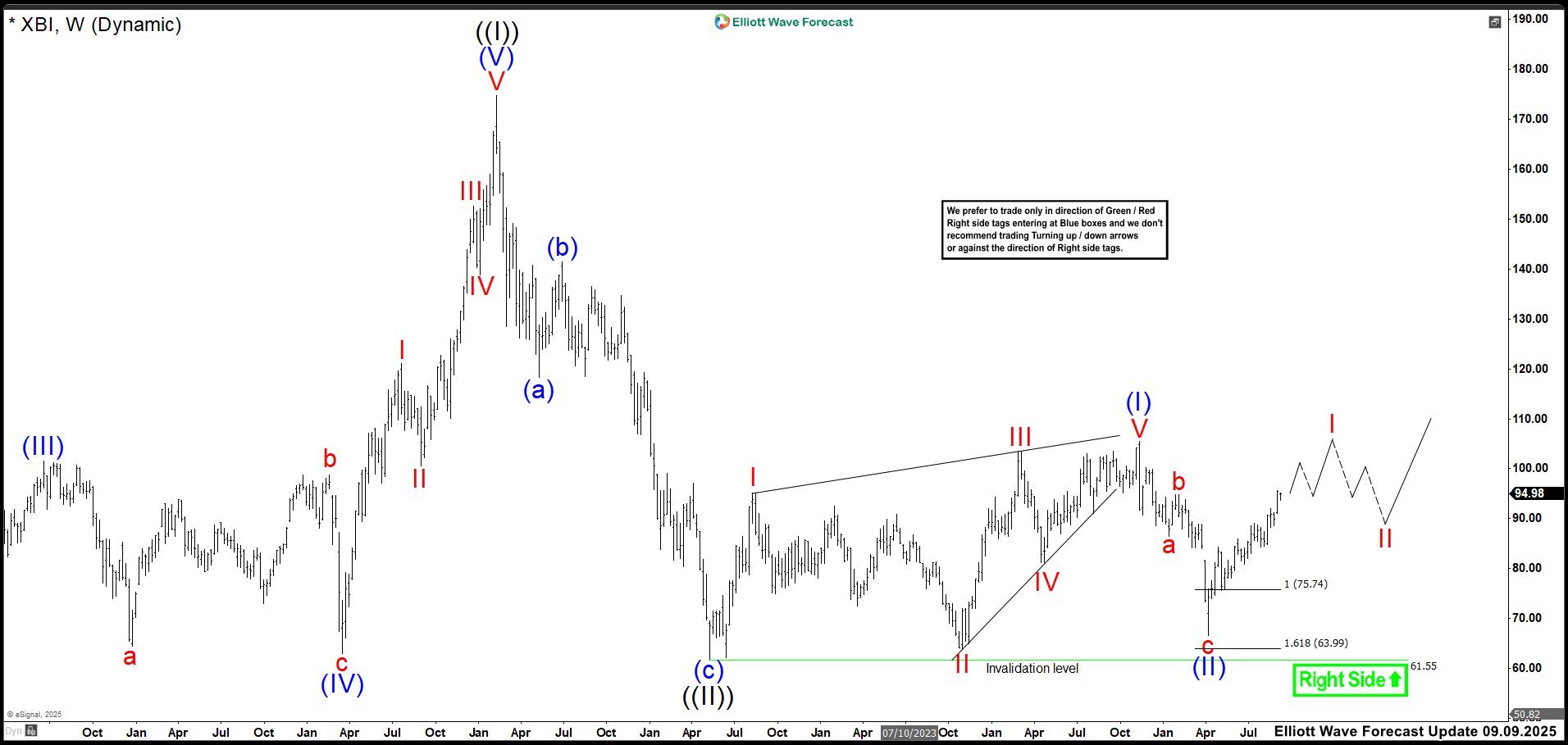
Elliott Wave Structure: XBI Weekly Chart September 09th 2025

Elliott Wave Structure: XBI Weekly Chart February 14th 2026

In the last update, we observed that wave (II) ended at the low of 66.66, right within the expected zone. The price then moved higher, aligning with our forecast. XBI was trading at 94.98, delivering an impressive return of approximately 30%. We believed the price should continue rising to complete the impulsive structure as wave I. The final target for wave I remained uncertain, but we relied on the fractal structure to guide us. This helps us to anticipate when a correction may begin, whether it unfolds in 3, 7, or even 11 swings, as part of wave II.

If you're eager to dive deeper into Elliott Wave Theory and learn how its principles apply to market forecasting, you might find these resources helpful: Elliott Wave Education and Elliott Wave Theory.

Elliott Wave Structure: XBI Weekly Chart February 14th 2026

Elliott Wave Structure: XBI Weekly Chart February 14th 2026

We can see that the impulse from the extreme zone reached 132.00 and now trades near 122.88. This move produced a gain above 62%. Therefore, we believe wave I may have ended. Yes, price could make a marginal high above 132, but caution is better now. Besides, the market should stay choppy until it shows a clear direction. When that move appears, the first break will likely point lower. We expect a double correction as wave II. However, any corrective structure remains possible, including a sharp drop before the bullish trend resumes. For now, we anticipate a correction toward the 107–91 zone. This area may offer new buying opportunities for the next rally in wave III.

Source: https://elliottwave-forecast.com/stock-market/biotechnology-sector-xbi-signals-pullback-62-surge/
 

Bullish reversal from the blue box support signals the next impulsive rally phase​

Dixon Technologies (India) Ltd has delivered a technically clean reaction from a major Elliott Wave support region. The weekly structure now suggests the corrective phase has likely ended and the next impulsive advance has begun. Based on the chart structure, we are considering red wave IV completed inside the high-probability support zone between the 50% and 61.8% Fibonacci retracement of wave III — represented by the blue box.

This zone historically acts as an area where institutions accumulate positions within a strong trend. Price respected this area precisely and turned higher, indicating buyers have regained control.

Elliott Wave Structure and Current Market Position​

The stock previously formed a strong impulsive advance into wave III, followed by a multi-month corrective decline. That decline unfolded in a corrective sequence labeled ((A))-((B))-((C)), ultimately terminating inside the blue box support. The reaction from this region is important because it confirms trend continuation rather than trend reversal. In Elliott Wave theory, once wave IV ends within the ideal retracement range, the market typically transitions into wave V — the final impulsive leg of the higher-degree trend. Price has now started moving higher, suggesting the early stages of wave V are already underway.

DIXON_2026-02-16_10-15-06-scaled.png

Upside Targets for Wave V​

Using Fibonacci extension projections:

  • Minimum target: 21,528
    (1.236 external retracement of wave IV — roughly 80% upside from recent levels)
  • Extended target: 24,800 region
The path higher is not expected to be straight. Short-term pullbacks and consolidations should occur along the way, forming smaller degree wave ((1)) and ((2)) sequences inside the larger wave V advance as shown on the chart.

However, the bullish outlook remains valid as long as price stays above the blue box support area. A sustained break below that zone would force a reassessment of the structure.

Summary:​

Dixon Technologies maintains a strong bullish outlook after completing its Wave IV correction, which has refreshed momentum and likely marked the beginning of Wave V. The preferred approach is to trade with the trend rather than against it. As long as the support zone remains intact, the stock is positioned for a sustained advance toward 21,500 and possibly 24,800 in the coming cycle.

Source: https://elliottwave-forecast.com/gr...t-wave-forecast-wave-v-rally-targeting-21500/
 

Momentum is nearing exhaustion in Wave III, setting up a corrective pullback that could create the next high-probability buying opportunity for the Wave V advance.​

CCL Products (India) Limited continues to follow a strong bullish Elliott Wave structure on the monthly chart. The long-term trend began from the major base near the 130 region, where the stock formed a cycle low and started a new impulsive advance. Since then, price action has developed in a clear five-wave sequence, confirming institutional participation and sustained buying pressure.

At present, the stock is trading in Wave III of the larger bullish cycle. Inside this wave, the subdivisions also show a completed series of smaller waves (1), (2), (3), (4), and the final stretch of (5). The rally has displayed classic third-wave characteristics — sharp momentum, shallow pullbacks, and consistent higher highs — which typically define the strongest portion of an Elliott Wave trend.

CCL_2026-02-16_10-48-55-scaled.png


What to Expect During the Wave IV Pullback​

However, the structure now suggests Wave III is approaching completion. There is still slight room for additional upside, but the risk-reward from fresh buying at higher levels becomes limited. According to Elliott Wave theory, once a third wave matures, the market normally transitions into Wave IV, a corrective and consolidating phase rather than a bearish reversal.

We expect Wave IV to unfold in at least three swings forming an A-B-C correction. This phase should cool off overbought conditions created during the extended rally and allow the market to rebuild energy for the next impulsive move. Corrections after strong advances are healthy and necessary for trend continuation.

Importantly, the broader bullish outlook remains intact as long as the major support near 130 holds. The upcoming decline should therefore be treated as a pullback within an ongoing uptrend.

After the correction completes, the stock is expected to start Wave V — the final leg of the cycle — which typically drives prices to new highs.

Summary​

CCL Products appears close to completing Wave III. A three-swing Wave IV consolidation is likely next, followed by another bullish breakout in Wave V aligned with the long-term upward trend.

Source: https://elliottwave-forecast.com/gr...wave-iii-completion-wave-iv-pullback-outlook/
 
In this technical blog, we will look at the past performance of the 1-hour Elliott Wave Charts of NZDUSD. In which, the rally from 21 November 2025 low is unfolding as an impulse & showed a higher high sequence therefore, called for an extension higher to take place. We knew that the structure in NZDUSD should remain supported & extend higher. So, we advised members not to sell the pair & buy the dips in 3, 7, or 11 swings at the blue box areas. We will explain the structure & forecast below:

NZDUSD 1-Hour Elliott Wave Chart From 2.06.2026​

NZDUSD Validates Blue Box Strategy, Offers Buy Setup


Here’s the 1- hour Elliott wave Chart from the 2.06.2026 Asia update. In which, the rally to $0.6092 high completed wave ((iii)) & made a pullback in wave ((iv)) to correct the cycle from 1.09.2026 low. The internals of that pullback unfolded as Elliott wave double three correction where wave (w) ended at $0.5590 low. A bounce to $0.6063 high-ended wave (x). Then started the next leg lower in wave (y) towards $0.5958- $0.5893 blue box area. From there, buyers were expected to appear looking for new highs ideally or for a 3-wave bounce minimum.

NZDUSD Latest 1-Hour Elliott Wave Chart From 2.14.2026​

NZDUSD Validates Blue Box Strategy, Offers Buy Setup


This is the latest 1-hour Elliott wave Chart from the 2.14.2026 Weekend update. In which the pair is showing a strong reaction higher taking place, right after ending the correction within the blue box area. Allowed members to create a risk-free position shortly after taking the long position at the blue box area. However, a break above $0.6092 high is needed to confirm the next extension higher. Targeting $0.6131- $0.6194 ( minimum extension target) and avoid deeper correction lower. As additional data became available, label intensities were refined and corrected to ensure greater accuracy.

Source: https://elliottwave-forecast.com/bluebox-wins/nzdusd-validates-blue-box-strategy-offers-buy-setup/
 
Johnson Controls International plc, (JCI) engages in engineering, manufacturing, commissioning & retrofitting building products & systems in United States & globally. It operates in four segments like Building Solutions in North America, Building Solutions EMEA/LA, Building Solutions Asia-Pacific & Global products. It comes under Industrials sector & trades as “JCI” ticker at NYSE.

JCI is showing bullish Elliott Wave sequence in weekly. It favors rally in ((3)) of III & expect continuation, while dips remain above January-2026 low. We like to buy the next pullback in ((4)) at extreme area against October-2023 low.

In weekly, it ended I of (III) at $81.77 high & II at $45.52 low in July-2022. Above there, it favors rally in III, where ((3)) is extended. Within III, it ended ((1)) at $69.60 high in Jan-2023, ((2)) at $47.90 in Oct-2023 & favors rally in (5) of ((3)). Within ((3)), it ended (1) at $91.14 high, (2) at $68.03 low, (3) at $123.78 high, (4) at $108.41 low & favors rally in (5). The current rally in (5) already reached the minimum extension of $134.03. But it can extend up to $151.52 or higher to end the (5) as ((3)), while dips remain above 1.06.2026 low before correcting next.

JCI - Elliott Wave Latest Weekly View:​

JCI-W21.jpg

We like to buy the dip in ((4)) in 3, 7 or 11 swings at extreme area, which defined once (A) & (B) ends. The current rally in (5) expects minor two highs, while dips remain above 1.06.2026 low. But, if it breaks that level, then it already ended ((3)) at last peak. A pullback in ((4)) will confirm, when it breaks the last trendline passing through (2) & (4). If it extends above $151.52 & managed to erase the RSI divergence, then it can nesting in (3) of ((3)) as most bullish case. So, don’t like selling it in any pullback.

Source: https://elliottwave-forecast.com/stock-market/johnson-jci-favors-rally-up-to-151-5-correcting/
 
Hello everyone! In today’s article, we’ll examine the recent performance of Energy Sector ETF ($XLE) through the lens of Elliott Wave Theory. We’ll review how the rally from the April, 2026, low unfolded as a 5-wave impulse and discuss our forecast for the next move. Let’s dive into the structure and expectations for this ETF.

5 Wave Impulse + 7 Swing WXY correction​

$XLE Daily Elliott Wave Chart 1.04.2026:​

$XLEIn our January 04, 2026 daily Elliott Wave analysis of $XLE, the structure was signaling that a major corrective phase had likely run its course.

From the March 2020 low, $XLE appeared to complete a 5-wave impulsive cycle, followed by a double zigzag (WXY) correction into Apr 2025 low. Another 5-wave impulsive cycle took place, followed by a correction into Oct 2025 low at black ((2)). With that corrective and cyclical sequence seemingly finished, our focus shifted to the next bullish phase.

At that time, we identified the rebound as the early stages of wave (3) of ((3)), where momentum typically accelerates. The expectation was straightforward: a push into new all-time highs should follow soon, assuming the market continued to respect the developing bullish structure.

$XLE Weekly Elliott Wave Chart 2.15.2026:​

$XLEFast forward to the February 15, 2026 update, and the market delivered the follow-through.

$XLE rallied into all-time highs, matching the roadmap laid out in the prior daily count. The ETF now appears to be trading higher in wave ((3)) of I, with the broader move still aiming for continuation.

From here, the projected upside path targets the 75–98 zone, which would complete a 5-wave advance from the April 2025 low. As long as price remains aligned with the current impulse, the bias stays pointed higher as $XLE works toward finishing out that larger 5-wave structure.

Conclusion

In conclusion, our analysis of $XLE continues to prove accurate, suggesting that the ETF remains well-supported against its April and Oct 2025 lows. For traders who capitalized on the opportunity presented, the $75–$98 zone should be closely monitored as the next significant objective. In the interim, keeping a vigilant eye out for any healthy corrective pullbacks could present fresh entry opportunities for those looking to join the trend.

By applying the principles of Elliott Wave Theory, traders can gain a deeper understanding of market cycles, better anticipate the structure of upcoming moves, and ultimately enhance their risk management strategies in dynamic markets like the current one for $XLE.

Source: https://elliottwave-forecast.com/st...-bullish-sequence-with-75-target-still-ahead/
 
Since April 07, 2025, Delta Air Lines (NYSE: DAL) has traced a textbook five-wave impulsive advance under classical Elliott Wave Theory. The structure satisfies all core impulsive criteria and suggests that the advance from the April cycle low represents a mature motive phase. When a transport leader completes a structurally clean impulse, the signal often extends beyond the stock itself, carrying implications for broader global indices.

The current configuration does not imply immediate collapse. Rather, it suggests that upside may be structurally limited unless an unexpected nesting extension develops. Here is the Daily chart showing the five waves advance since 04.07.2025.

DAL Daily Elliott Wave Chart Update.​

Elliott Wave Impulse in DAL Since April 07, 2025 — Structural Warning to World Indices


Wave 1 – Initial Impulse​

Technical characteristics:

Strong directional breakout from prior corrective structure.

Clear five-wave subdivision on lower timeframes.

Narratively, Wave 1 established the shift in market control. Sellers exhausted at the April low, and buyers regained structural dominance.

Wave 2 – Corrective Retracement​

Wave 2 retraced a portion of Wave 1 while respecting core Elliott rules.

Guidelines satisfied:

Retracement within the 50%–61.8% zone of Wave 1.

No breach of Wave 1 origin.

Sharp corrective profile, consistent with later alternation.

Structural possibilities typical of Wave 2:

Zigzag (5-3-5).

Double zigzag.

Expanded flat (less frequent at this position).

Confirmation factors:

Decreasing volume during the pullback.

Momentum reset without structural breakdown.

This correction was necessary to build energy for the third wave expansion.

Wave 3 – Extended Impulse​

Wave 3 represents the dominant expansion phase and typically carries the strongest momentum characteristics.

Observed traits:

Clear break above Wave 1 high.

Sustained momentum expansion (RSI frequently reaching 70–80).

Volume expansion confirming participation.

Clean five-wave internal subdivision.

Fibonacci projections:

1.618 × Wave 1 (minimum common extension).

2.618 × Wave 1 (extended scenario).

Wave 3 displayed textbook impulsive characteristics: accelerating price velocity, and structural clarity. Importantly, Wave 3 is not the shortest among Waves 1, 3, and 5, preserving rule integrity.

Wave 4 – Corrective Phase​

Following the extended third wave, DAL entered Wave 4.

Typical characteristics:

Retracement of approximately 23.6%–38.2% of Wave 3.

Complex, sideways behavior.

Alternation relative to Wave 2.

The alternation principle is critical: because Wave 2 was relatively sharp, Wave 4 tends toward a more time-consuming, sideways structure (flat, triangle, or combination).

Key rule:
Wave 4 must not overlap Wave 1 price territory in a standard impulse.

Additional features include:

Volatility compression

Decreasing momentum

Emerging divergence signals

As long as price holds above the Wave (4) low, the impulsive count remains intact.

Wave 5 – Final Impulse​

Wave 5 completes the five-wave motive structure.

Common characteristics:

Momentum often weaker than in Wave 3 (bearish divergence possible).

Volume lighter relative to Wave 3.

Price may reach marginal new highs.

Typical Fibonacci relationships:

Wave 5 = Wave 1

Wave 5 = 0.618 × Wave 1

0.618 extension of Waves 1–3 measured from Wave 4 low.

Wave 5 frequently produces the final push before a higher-degree ABC correction begins. Traders should monitor RSI divergence and exhaustion signals carefully.

Broader Implications for World Indices:​

Transportation stocks historically serve as leading cyclical indicators. Under Dow Theory principles, confirmation or divergence within transports often precedes broader equity shifts. Many global indices marked significant lows on the same date as DAL’s April pivot, The synchronized cycle low increases the structural relevance of this impulse, If DAL is completing a mature five-wave advance, similar cycle maturity may exist across global benchmarks.

A completed five-wave impulse typically transitions into a three-wave corrective phase of larger degree. This does not imply systemic collapse; rather, it signals increasing probability of a corrective rotation or pullback. The current structure suggests that upside may be limited unless an unexpected nest structure develops since 04.07.2025. If price remains above the Wave (4) low, further extension remains possible — not only in DAL but potentially across world indices as well. However, once the five-wave sequence fully matures, the risk-reward profile shifts from aggressive upside participation toward preparation for corrective volatility. Here is the Daily chart showing Delta and $SPX together since 04.07.2025.

DAX Overlay Chart With SPX​

Elliott Wave Impulse in DAL Since April 07, 2025 — Structural Warning to World Indices


Conclusion:​

Delta Air Lines has formed a technically coherent five-wave impulse since April 07, 2025, The structural perfection of this impulse is not merely an isolated technical event. When a major transport component completes a mature motive structure synchronized with global equity cycles, it often precedes broader market inflection. The implication is not immediate bearish reversal — but the warning is present. If the Wave (4) low remains intact, extension higher remains viable.

If the five-wave sequence completes without nesting continuation, markets may soon transition into a corrective phase that offers a pullback-to-buy opportunity. In structural terms, Delta is signaling that the current bullish phase is advanced — and markets rarely ignore completed impulses for long, the warning is there and soon another great buying opportunity for the World Indices, maybe the biggest, we have ever seen.

Source: https://elliottwave-forecast.com/st...ce-april-structural-warning-to-world-indices/
 

NASDAQ-listed XEL completes corrective wave (II) at $43.64 and turns higher, signaling the beginning of a potentially explosive impulsive advance.​

Xcel Energy Inc (XEL), listed on the NASDAQ, is showing a compelling bullish Elliott Wave structure on the long-term chart. The technical outlook suggests the stock is transitioning into a powerful impulsive phase, with higher highs expected in the coming quarters. From the early 2000s, XEL has developed a clear five-wave impulsive structure at higher degree. The stock completed a large degree wave III advance followed by a complex wave IV correction. After finishing wave IV, price resumed higher in wave V, completing a major cycle top before entering a corrective sequence.

That corrective phase unfolded as a three-wave structure labeled a-b-c of cycle degree. The decline concluded with wave c terminating near the $43.64 level, which now acts as the key invalidation level. This zone represents the completion of blue wave (II), confirming that the broader bullish trend remains intact as long as price holds above this area.

XEL_2026-02-17_07-48-14-scaled.png

Early Stages of a Strong Impulse​

Following the completion of wave (II), XEL has turned higher decisively. The current rally indicates that the stock has entered the early stages of wave I of (III), typically the strongest and most dynamic phase in an Elliott Wave cycle.

On the lower degree, five waves have already been completed in wave ((1)), followed by a corrective pullback in wave ((2)). The stock is now turning higher again, suggesting the beginning of wave ((3)), which is generally the strongest and most extended segment within an impulse.

This alignment across multiple degrees significantly strengthens the bullish outlook.

Why Selling Is Not Recommended​

Given the completed corrective structure and the emerging impulsive advance, selling at current levels is not technically justified. The chart structure favors trading in the direction of the prevailing uptrend rather than attempting counter-trend positions.

As long as price remains above $43.64, the bullish wave count remains valid. A sustained move higher would confirm that wave (III) is underway, potentially leading to an extended rally beyond recent highs.

Technical Outlook​

  • Invalidation Level: $43.64
  • Trend Bias: Bullish
  • Wave Position: Early stage of wave I of (III)
  • Structure: Impulsive with completed five-wave lower degree advance
Overall, XEL appears positioned for a strong upside continuation, supported by a well-defined Elliott Wave structure and multi-degree alignment favoring further gains.

Source: https://elliottwave-forecast.com/stock-market/xcel-energy-xel-elliott-wave-wave-3-rally-analysis/
 
Hello traders. Welcome to a new blog post where we discuss past and recent trades from the blue box. In this one, the spotlight will be on the DOGEUSD cryptocurrency pair.

The crypto market has been in a bearish cycle since Q4 2025 and is likely to extend further. Doge initiated wave (III) of its all-time cycle in June 2022. It completed a 5-wave sequence between June 2022 and December 2024, reaching its all-time peak. At that peak, the cryptocurrency finished wave I of (III) and began a long-term bearish cycle for wave II. From the all-time high, the price declined in 3 waves to complete wave ((W)) of II in March 2025. Subsequently, a corrective bounce occurred, reaching the September 2025 high where wave ((X)) of II concluded. Therefore, the sell-off from the September 2025 high marked wave ((Y)) of II, which is still trending lower. In this process, the April 2025 low was breached. Since then, we have been recommending selling bounces on shorter cycles.

DOGEUSD (Doge) Elliott Wave Trade Setup - 13th February, 2026

In the shorter cycle, a corrective bounce began on February 6, 2026. We had already prepared members to short the asset from our proprietary blue box. Following the completion of the first two waves, the third wave started on February 11, 2026. We shared the chart below with members on February 13, 2026.

doge


The chart above displays a 3-swing bounce, with the blue box selling zone identified between 0.1099 and 0.1236. From this zone, we recommended members short the cryptocurrency pair.

DOGEUSD (Doge) Elliott Wave Trade Setup - 18th February, 2026

Doge


On February 18th, we shared the chart above with members. The chart showed the blue box being hit, triggering short orders with a stop-loss slightly above the zone. A few days later, Doge started to fall sharply. The decline hit the first target at 0.1028, where members booked partial profits. Afterwards, members adjusted their stop-loss on the remaining order to ensure a risk-free trade, even if a corrective bounce extends higher. This trade in progress highlights how we trade across 7 instruments in all timeframes for all types of traders.

Source: https://elliottwave-forecast.com/bluebox-wins/doge-extends-bearish-cycle-from-blue-box/
 
Coca-Cola Co (NYSE: KO) continues setting new record highs weekly. In this article, we analyze its weekly Elliott Wave structure. Our analysis reveals the current bullish breakout path and key upside targets.

Elliott Wave Analysis

KO
is advancing within a nesting structure from its 2023 low. Wave ((1)) ended at $73.53. Subsequently, Wave ((2)) corrected to $60.62. Next, Wave (1) reached $74.38. Then, Wave (2) finished at $65.35. Currently, acceleration unfolds within wave 3 of (3). Therefore, at least three more swings higher should occur. This incomplete bullish sequence supports continued upside within the weekly cycle.

The initial wave (3) target is the $82 - $89 equal legs area. Furthermore, the full wave ((3)) projection targets the $101 Fibonacci 1.618 extension. This zone should precede the next major correction.

After KO completes its five-wave advance from 2023, Wave IV will begin. This pullback will create another strategic entry point. Subsequently, the stock will resume its weekly uptrend in Wave V.

KO Weekly Chart 2.19.2026

Coca-Cola KO Weekly

Conclusion​

KO‘s weekly uptrend remains strongly bullish. Consequently, traders should target strategic entries during corrective pullbacks. Apply our Elliott Wave strategy for precise timing. Specifically, enter the market after a 3, 7, or 11-swing correction completes. Additionally, our proprietary Blue Box system identifies high-probability reversal zones. This disciplined approach provides clarity and confidence. Ultimately, it positions you to capture the next major advance.

Source: https://elliottwave-forecast.com/stock-market/coca-cola-ko-triple-digits/
 
The Roundhill Magnificent Seven ETF (MAGS) is an ETF which provides equal‑weight exposure to the “Magnificent Seven” tech giants. The ETF consists of Alphabet, Amazon, Apple, Meta, Microsoft, Nvidia, and Tesla. Launched in April 2023, it offers investors a simple, efficient way to capture the performance of these market‑leading innovators. Below we will update the Elliott Wave technical outlook for the ETF.

MAGS Weekly Elliott Wave Chart​

Magnificent-7-Weekly20260223100724-300x146.jpg


On the weekly Elliott Wave chart of the Magnificent Seven ETF (MAGS), the rally from the all‑time low culminated in wave (I) at $58.69 in December 2024. The rally unfolded as a five‑wave impulse structure. The ETF then corrected in wave (II), which bottomed at $39 in April 2025. From that low, MAGS resumed higher in wave (III) as a nested sequence, advancing to complete wave I at $69.14. It is now pulling back to correct the cycle from the April 2025 low in a 3‑, 7‑, or 11‑swing structure before resuming higher.

MAGS Daily Elliott Wave Chart​

Magnificent-7-Daily20260223101409-300x146.jpg


The daily Elliott Wave chart of the Magnificent Seven ETF (MAGS) shows that the rally from the April 2025 low ended in wave I at $69.14. The pullback in wave II is unfolding as a double‑three corrective structure. From wave I, wave ((W)) completed at $60.13. The rally in wave ((X)) is now in progress, correcting the cycle from the October 29, 2025 high in 3‑, 7‑, or 11 swings before turning lower again. Near term, as long as the pivot at the $39 low remains intact, the pullback is expected to find support in a 7‑swing sequence, setting the stage for further upside.

Source: https://elliottwave-forecast.com/vi...-poised-to-correct-cycle-from-april-2025-low/
 
In this technical blog, we will look at the past performance of the 1-hour Elliott Wave Charts of IBEX. We presented to members at the elliottwave-forecast. In which, the rally from the 07 April 2025 low is unfolding as an impulse structure. Also showed a higher high sequence suggested that index should see more upside extension to complete the impulse sequence. Therefore, we advised members not to sell the index & buy the dips in 3, 7, or 11 swings at the blue box areas. We will explain the structure & forecast below:

IBEX 1-Hour Elliott Wave Chart From 2.13.2026​

IBEX Validates Elliott Wave with Spot-On Blue Box Reaction


Here’s the 1-hour Elliott wave chart from the 2.13.2026 New York update. In which, the short-term cycle from the 11.21.2025 low ended in wave (3) as impulse at 18275.20 high. Down from there, the IBEX made a pullback in wave (4) to correct that cycle. The internals of that pullback unfolded as Elliott wave zigzag structure where wave A ended at 17650.80 low. Wave B bounce ended at 18267.30 high. Then wave C managed to reach the blue box area at 17654.11- 17272.18. From there, buyers were expected to appear looking for the next leg higher or for a 3 wave bounce minimum.

IBEX Latest 1-Hour Elliott Wave Chart From 2.20.2026​

IBEX Validates Elliott Wave with Spot-On Blue Box Reaction


This is the 1-hour Elliott wave Chart from the 2.20.2026 NY Midday update. In which the index is showing a reaction higher taking place, right after ending the correction within the blue box area. Allowed members to create a risk-free position shortly after taking the long position at the blue box area. Since then, IBEX has already made a new high targeting 18433.67- 18696.81 area higher minimum before profit taking & next pullback takes place in 3, 7 or 11 swings.

Source: https://elliottwave-forecast.com/bl...-elliott-wave-with-spot-on-blue-box-reaction/
 
ASML Holding N.V., (ASML) provides lithography solutions for the development, production, marketing, sales, upgrading & servicing semiconductor equipment systems. It also offers hardware, software & services to chipmakers to produce the patterns of integrated circuits. It comes under Technology sector & trades as ‘ASML’ ticker at Nasdaq.

ASML is bullish in weekly & favors rally to extend April-2025 sequence explained in previous article. It expects rally to extend into $1536.7 - $1604.8 area, while holding above 2.04.2026 low.

ASML - Elliott Wave Latest Daily View:​

In weekly, it ended (I) at $895.93 in September-2021 & (II) at $363.15 low in October-2022. Above there, it is showing nest as trend channel broken upward & favors rally against April-2025 low. Above October-2022 low, it ended I of (III) at $1110.09 high & II at $578.51 low. Within I, it placed ((1)) at $771.98 high, ((2)) at $564 low, ((3)) at $1056.34 high, ((4)) at $849.14 low & ((5)) at $1110.09 high. Within ((2)), it ended ((A)) at $767.41 low, ((B)) at $945.05 high & ((C)) at $578.51 low in zigzag correction.

ASML - Elliott Wave Latest Week:​

Above II low, it favors rally in ((1)) of III. It ended (1) at $826.56 high, (2) at 684.24 low, (3) at $1086.11 high, (4) at $946.11 low & favors upside in (5). Within extended (5), it ended 1 at $1141.72 high, 2 at $1010.01 low, 3 at $1493.47 high, 4 at $1316.06 low & favors 5. The extended (5) already extended above $1453.81 level & probably should extend into $1536.7 - $1604.8 to end ((1)). It is showing the momentum divergence in RSI in daily against (3) high. So, expecting current rally to end soon as ((1)) before correcting in ((2)). Chasing longs at the moment can be risky. Expecting any short-term pullback should hold above 2.17.2026 & 2.04.2026 to extend higher in (5). But buyers should enter again in ((2)) correction in 3, 7 or 11 swings at extreme area.

ASML - Elliott Wave View From 1.19.2026:​

Source: https://elliottwave-forecast.com/group-3-instruments/stocks/asml-holding-rally-targets-1537-1605/
 
Since the April 2025 low, the SPDR S&P 500 ETF ($SPY) has behaved the way strong bull phases often do: it pushed higher in a clean, trend-friendly sequence, rewarded dip-buyers, and steadily “stretched” sentiment as price climbed. However, no impulsive cycle expands forever. As we move deeper into 2026, the evidence is building that this post–Apr 2025 advance is maturing, and a meaningful corrective phase is the more probable next act.

Note: This is educational market commentary, not financial advice.

The Apr 2025 Low: The Launch Point of an Impulse​

$SPY

In Elliott Wave terms, the April 2025 low likely marked the start of a new impulsive cycle. Typically, once an impulse gets going, the market progresses in a recognizable 5-wave structure (1-2-3-4-5). Importantly, the goal of this framework isn’t to “predict the future perfectly,” but to map probabilities and identify when a trend may be late-stage versus early-stage.


Why the Current Cycle Looks “Late-Stage”​

$SPY

As impulsive advances age, the market often starts flashing subtle tells. For example:

  • Wave structure becomes extended. Moves still trend higher, yet they require more effort and time to produce the same upside distance.
  • Momentum tends to diverge. Price can make new highs while momentum (or participation) does not confirm as strongly as it did earlier in the cycle.
  • Pullbacks stay shallow—until they don’t. Late in an impulse, dips can feel “safe” and quickly bought. Nonetheless, that very behavior can be a sign of complacency near a mature phase.
Consequently, when $SPY is pressing higher but doing so with a “heavier” feel, Elliott Wave traders start asking a different question: Is this still the middle of the move… or the end of it?


A Simple Roadmap: The Five Waves Since Apr 2025​

While counts can vary by degree, a common interpretation of the Apr 2025 advance looks like this:

$SPY

  1. Wave 1: The initial thrust off the Apr 2025 low — disbelief fades, buyers step in.
  2. Wave 2: A corrective pullback — sentiment resets, weak hands exit.
  3. Wave 3: The strongest trend leg — broad participation, acceleration, confidence returns.
  4. Wave 4: A consolidation or choppy correction — volatility rotates, leadership narrows.
  5. Wave 5: The final push — prices can still rise, but internal strength often cools.
In other words, if $SPY is currently in a late Wave 5 (or completing a higher-degree fifth), the market may be approaching the point where upside becomes more limited relative to downside risk.


So What Happens After an Impulse? The Correction Phase​

After a 5-wave impulse, Elliott Wave expects a corrective sequence—often an A-B-C structure—where the market unwinds excess optimism and rebalances positioning. Typically, this correction can retrace a meaningful portion of the entire Apr 2025–to–recent-high advance.

$SPY

Common corrective behaviors include:

  • A sharp initial drop (Wave A) that catches dip-buyers off guard,
  • A reflex bounce (Wave B) that feels like “the uptrend is back,” and then
  • A final decline (Wave C) that completes the reset, often with broader capitulation.
Meanwhile, the most useful way to track correction risk is to watch structural supports, such as:

  • prior Wave 4 consolidation zones,
  • the slope/channel of the entire advance,
  • and widely observed long-term averages (often where institutions defend).

What Would Confirm the “Correction in 2026” Thesis?​

$SPY

Because wave analysis is probabilistic, confirmation matters. Here are practical tells traders watch:

  • A break of the impulsive channel that guided price higher since Apr 2025.
  • A clean five-down move on the lower timeframes (often the first sign the trend regime has changed).
  • Failure of rebounds to reclaim prior breakout levels quickly.
On the flip side, invalidation is just as important: if $SPY keeps extending higher with strong structure and broad participation, the “mature cycle” could simply be taking longer to finish.


What This Means for Traders and Investors​

If the Apr 2025 cycle is indeed nearing completion, then the smarter play is less about calling the exact top and more about adjusting expectations and tightening process.

Accordingly, consider focusing on:

  • Risk management first: reduce oversized exposure, avoid late-stage chasing, and define exits.
  • Let structure guide decisions: prefer clear support/resistance levels over headlines.
  • Be ready to rotate: corrections create the next high-probability long entries—after the reset, not before it.

Bottom Line​

$SPY

$SPY’s advance from the April 2025 low has the hallmarks of a maturing impulse. Therefore, as 2026 progresses, the market is increasingly vulnerable to a corrective phase that refreshes the trend, shakes out complacency, and rebuilds a healthier base for the next opportunity.

Source: https://elliottwave-forecast.com/vi...aturing-2026-reset-looks-increasingly-likely/
 
TXN advanced above $230 to a reach a fresh record high. How further upside could it go in the near-term? Currently, a pullback has emerged against the long-term bullish cycle. Where should traders position to buy again?

Texas Instruments (TXN) is a global semiconductor company known for designing and manufacturing analog and embedded processing chips. Its products are used in everything from industrial equipment to personal electronics, playing a critical role in powering modern technology. Consistent innovation and a strong market presence make it a closely watched stock in the tech sector.

TXN finished its extended grand supercycle wave ((II)) in October 2002, reaching a low around $13. Following that, the stock initiated a significant advance spanning two decades as grand supercycle wave ((III)) progressed. Wave (I) of ((III)) reached its highest point in August 2007 at $39.6, followed by a substantial wave (II) correction that pushed prices down to approximately $13.4 by December 2008.

The subsequent major uptrend—wave (III)—started in December 2008. TXN demonstrated a strong bullish trend after exceeding its previous all-time high from March 2000 at $99.8, eventually hitting a new high of $202.2 in October 2021. This peak concluded wave III of (III) of ((III)). A corrective wave IV followed, continuing until October 2023, after which the stock continued its upward movement and recorded a new high of $220.38 in November 2024.

Starting from the November 2024 peak, TXN retraced in a 7-swing pattern to complete wave ((2)) of V. That correction ended at the blue-box support level, where, as expected, buyers re-entered the market. The stock then strongly rebounded in a clear 5-wave advance, finishing wave (1) of ((3)) on July 11, 2025. On September 14, we presented the daily chart below, highlighting the blue box where traders should look to re-enter.

TXN


In our last update, the chart below showed a swift reaction from the blue box, confirming the end of wave (2) of ((3)).

TXN


We anticipated a sustained rally in a new bullish cycle for wave (3) of ((3)), breaking into a new record high. After just 10 weeks, the bulls remained strong, and the stock achieved a new record high, as expected. The chart below shows the latest TXN daily chart.

TXN Elliott Wave Analysis (Daily Chart) - 25th February, 2025

txn


As the latest daily chart above shows, the stock has breached a new record high as wave (3) develops from the November 2025 low. Currently, the price is precisely at wave (iv) of ((iii)) of 1 of (3). Therefore, wave (3) still has considerable room to run, presenting prospective trading opportunities for Elliott Wave traders. The strategy is straightforward: buy the dips. Additionally, a pullback has emerged in a shorter cycle. The H4 chart below indicates the blue box zone where wave (iv) could complete, paving the way for the next short-term bullish move as part of a larger bullish trend.

TXN Elliott Wave Analysis (4/Hour Chart) - 25th February, 2025

txn


The chart above shows the emerging wave (iv) with a blue box zone between 207.26 and 196.78. Buyers could establish new positions here, anticipating at least a 3-swing bounce. As this is the 4th wave in a strong bullish cycle, the pullback is not expected to be significant, making this another potential profitable trade. You can get similar analysis and blue boxes across all time frames on the 78 instruments we currently cover.

Source: https://elliottwave-forecast.com/stock-market/txn-pullback-shortterm-bluebox/
 
Applied Digital Corp (NASDAQ: APLD) operates at the intersection of digital infrastructure and AI innovation. Recent sector tailwinds have fueled strong momentum for the stock. Today, we analyze the Elliott Wave pattern behind its current pullback and emerging buying opportunity.

Elliott Wave Analysis

From its 2022 low, APLD created a bullish three-wave advance to new highs. Wave I ended at $11.62, followed by Wave II at $2.36. Then, Wave III rallied to $42.27. Currently, Wave IV is in progress. Therefore, the stock has an incomplete bullish sequence. It aims to complete five waves within wave (I) before a larger correction begins.

The projected Wave IV correction targets the $25.29 - $16.20 Blue Box zone. This high-frequency area should attract buyers. Consequently, price will react to the upside from this zone. It will either resume the rally to new highs or produce a three-wave bounce at minimum.

APLD's next upside move could drive the stock higher. Specifically, it targets the $46 - $52 area within wave V. This advance will occur before the next major correction begins.

APLD Weekly Chart 2.27.2026

APLD Weekly 2.27.2026

Source: https://elliottwave-forecast.com/video-blog/apld-high-probability-entry/