Daily Market Analysis By zForex

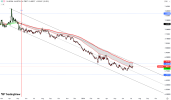
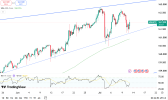
Higher Yields Keep Gold in Check


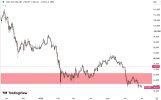
gold-29june.png

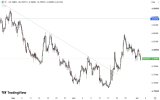
Gold continues to trade in a bearish trend as a stronger dollar and expectations for higher US interest rates reduce the appeal of non-yielding assets.

Technically, the outlook remains negative while prices stay below the 4,350-4,380 resistance zone.

On the downside, 3,950-3,960 is the first key support. A break below this area could open the way toward 3,875.

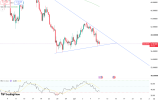
Silver Recovers, but Resistance Holds


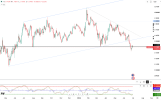
silver-29june.png

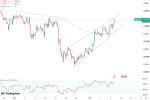
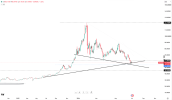
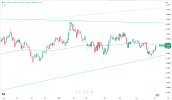
Silver has broken above its short-term descending trendline on the hourly chart, signaling an attempt to recover. However, a drop below 57.75 could quickly bring sellers back into the market.

The 61.00–61.25 area remains the key resistance zone. Unless silver breaks above this range, upside momentum is likely to remain limited, leaving the broader market structure under pressure.

Precious metals continue to face a mixed backdrop, with geopolitical tensions, inflation concerns, uncertainty surrounding AI-driven investment, and questions over Fed Chair Warsh’s policy outlook all contributing to elevated market volatility.
 

Markets Focus on CBs as Gold Extends Losses (06.30.2026)

The NAS100 rebounded more than 2%, recovering from recent losses, while Bitcoin remained below $60,000 despite long-term forecasts continuing to point to a gradual recovery.

The euro recovered above $1.14 as attention shifted to the ECB Forum in Sintra, while the dollar remained supported by expectations for further Fed tightening. The yen fell to its weakest level since 1986, keeping intervention risks in focus.

Gold dropped below $4,000, marking its weakest level in nearly eight months, while Brent crude held above $73 as US-Iran talks in Doha continued without a clear breakthrough.

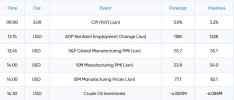
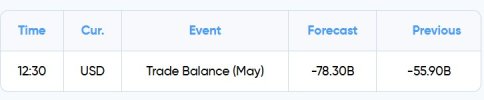
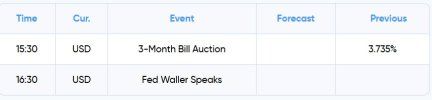
Economic Calendar​

eco-calendar-30-june.jpg

Euro Rebounds Ahead of Sintra Forum​

euro-rebounds-ahead-of-sintra-forum-6558.png

After falling to a one-year low last week, the euro rebounded past $1.14 as market participants turned their attention to the ECB's Sintra Forum and upcoming European inflation figures. ECB President Christine Lagarde opens the symposium on Monday. The event's headline panel is set for Wednesday, featuring a high-stakes monetary policy discussion between Lagarde, Federal Reserve Chair Kevin Warsh, and Bank of England Governor Andrew Bailey.

The first resistance is positioned at 1.1420 while the support starts from 1.1360.

Gold Hits Eight-Month Low​

gold-hits-eight-month-low-6554.png

Gold slipped below $4,000 an ounce on Tuesday, hitting an eight-month low and pacing toward a fourth consecutive monthly drop. Easing Middle East frictions combined with persistent expectations for upcoming Federal Reserve interest rate hikes continue to pressure the non-yielding metal. Gold has lost over 12% of its value this month and roughly 15% this quarter.

First resistance is seen at $4050, with initial support near $3960.

Yen Weakens Past 162​

yen-weakens-past-162-6557.png

The Japanese yen breached the 162 level against the dollar on Tuesday, hitting its lowest valuation since 1986. This steep decline has heightened anxiety among Tokyo officials and fueled intense market speculation over potential direct currency intervention. The yen remains pressured by the vast interest rate gap between the two nations; the Bank of Japan is advancing very slowly with monetary normalization, whereas the Federal Reserve is projected to deliver multiple interest rate hikes later this year.

Initial resistance stands at 162.20, while the first support is at 161.00.

Sterling Stabilizes Above $1.32​

sterling-stabilizes-above-dollar1-32-6556.png

The British pound held above $1.32, bouncing back from seven-month lows. This recovery followed a pledge from Andy Burnham, the sole contender to succeed Keir Starmer, to decentralize substantial fiscal authority from Westminster to regional governments while maintaining strict economic discipline.

From a technical view, resistance stands near 1.3240, with support around 1.3150.

Silver Touches Seven-Month Low​

silver-touches-seven-month-low-6555.png

Silver slid toward $57 per ounce on Tuesday, nearing its lowest valuation in seven months. The industrial metal is pacing toward a sharp monthly loss, heavily pressured by shifting Middle East dynamics and firming market bets that the Federal Reserve will raise interest rates later this year. Silver prices have plunged over 23% during both the current month and the broader quarter.

From a technical view, resistance stands near $58.90, while support is located around $56.50.

Brent Crude Oil​

brent.jpg

Brent crude held above $73 per barrel after Monday's recovery as attention shifted to US-Iran peace talks in Doha.

Mixed statements from both sides kept the outlook uncertain, limiting stronger price moves.

Resistance is seen at 76.00, while the nearest support stands at 72.20.

Nasdaq 100​

Nasdaq.jpg

The NAS100 rose 2.25% to 29,719, bringing its four-week gain to 2.60% and its annual advance to 32.21%. Longer-term projections point to 28,513 by quarter-end and 26,770 over the next 12 months.

Resistance stands at 30,400, while the nearest support is located at 29,750.

Chinese Yuan (USD/CNH)​

CNH.jpg

The offshore yuan weakened to around 6.79 per dollar in June, ending a two-month winning streak as broad dollar strength continued to support the greenback.

Softer daily fixings from the People's Bank of China also weighed on the currency.

Resistance stands at 6.8150 while the nearest support is located at 6.7650.

Bitcoin (BTC/USD)​

btc.jpg

Bitcoin traded near $59,933, down 0.35% on the day. The cryptocurrency has fallen 18.55% over the past four weeks and 43.31% over the past year.

Longer-term forecasts point to $60,504 by the end of the quarter and $68,030 over the next 12 months.

First resistance is seen at 60,600, with initial support near 59,000.
 

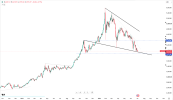
BTC Holds Near Key Support


BTC-update.jpg

Bitcoin remains under pressure as higher US rate expectations and a stronger dollar continue to weigh on risk assets. Sentiment is also cautious after headlines about possible large BTC sales from Strategy, while crypto regulation news from the UK offers some medium-term support.

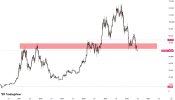
Technically, BTC is still weak. Price is below the 50-day SMA, MACD is falling, and RSI near 29.4 shows oversold conditions. This means a short bounce is possible, but the broader trend stays bearish unless BTC can reclaim the $60,000-$64,000 area.

For now, $58,000-$59,000 is the key support zone. A clear break below this area could open the way toward $56,000, while holding above it may bring a recovery attempt back toward $60,000 and then $64,000.
 

Markets Eye Key Data Amid Strong Dollar (07.01.2026)

July opened with attention centered on monetary policy and economic data. Strong US indicators reinforced expectations that the Federal Reserve could keep interest rates higher for longer, supporting the dollar while pressuring gold and the Japanese yen ahead of this week's non-farm payrolls report.

In Europe, focus shifted to the ECB's Sintra Forum and easing inflation across much of the euro area. Meanwhile, Brent crude stabilized as US-Iran negotiations continued, China's softer manufacturing data renewed growth concerns, and technology stocks extended their recovery.

Economic Calendar​

eco-calendar-1-july.jpg

Euro Keeps Steady at Lows​

euro-keeps-steady-at-lows-6564.png

The euro concluded June hovering near $1.14, staying close to its one-year low as investor focus shifted to the ECB's Sintra Forum and upcoming Eurozone inflation metrics. A key highlight is Wednesday's policy panel featuring ECB President Christine Lagarde, which markets are monitoring for future monetary signals.

June consumer price data revealed cooling inflationary pressures across Germany, France, and Italy, whereas Spain diverged from the broader trend, with local inflation staying near a two-year peak.

The first resistance is positioned at 1.1430 while the support starts from 1.1360.

Gold Holds $4,000 Support​

gold-holds-4000-usd-support-6562.png

Gold stabilized around $4,000 per ounce on Wednesday, though it remained pinned near an eight-month low. Strong U.S. economic data continues to underscore economic resilience, strengthening the narrative for upcoming Federal Reserve interest rate hikes later this year.

The latest JOLTS report highlighted that job openings jumped to a two-year high, while market analysts broadly anticipate another strong June non-farm payrolls print.

First resistance is seen at $4020, with initial support near $3950.

Yen Plunges to Decades Low​

yen-plunges-to-decades-low-6565.png

The Japanese yen breached 162.5 against the dollar on Wednesday, sinking to its weakest valuation in four decades and amplifying speculation regarding potential Tokyo currency intervention. Market participants are eyeing Friday's U.S. holiday as a strategic window for official yen-buying operations, since thinner market liquidity could maximize the impact of the move.

The currency faced renewed downward momentum following strong U.S. economic data, which underscored economic resilience and reinforced expectations for upcoming Federal Reserve rate hikes.

Initial resistance stands at 163.00, while the first support is at 161.70.

Pound Recovers Above $1.32​

pound-recovers-above-dollar132-6566.png

The British pound rebounded from seven-month lows to hold above $1.32. This recovery followed a commitment from Andy Burnham, the sole candidate to succeed Keir Starmer, to transfer significant fiscal authority to regional governments while maintaining strict economic discipline.

From a technical view, resistance stands near 1.3260, with support around 1.3150.

Silver Falls Under $58​

silver-falls-under-dollar58-6563.png

Silver dipped below $58 per ounce on Wednesday, hovering near a seven-month low. Strong U.S. economic data continues to underscore economic resilience, upholding market forecasts for subsequent Federal Reserve interest rate hikes later this year.

Specifically, the latest JOLTS report showed job openings surged to a two-year peak, and market participants are preparing for another non-farm payrolls release for June.

From a technical view, resistance stands near $58.90, while support is located around $56.50.

Brent Crude Oil​

brent.jpg

Brent crude remained above $73 per barrel after posting its largest quarterly decline since 2020. Attention remains on the ongoing US-Iran negotiations in Doha, where both sides are working toward easing tensions following recent disputes over the Strait of Hormuz.

While diplomatic efforts continue, Iran has maintained its position on preserving authority over navigation through the strategically important waterway.

Resistance is seen at 76.00, while the nearest support is located at 71.20.

Nasdaq 100​

nasdaq100.jpg

The US100 Tech Index traded at 30,122, gaining 502 points (1.68%) from the previous session. The index is up 1.76% over the past four weeks and 33.04% compared with a year ago.

The index is expected to ease to 28,513 by the end of the current quarter and 26,770 over the next 12 months.

Resistance stands at 30,500, while the nearest support is located at 29,750.

Bitcoin (BTC/USD)​

btc.jpg

Bitcoin traded at $58,862, rising $309 (0.53%) from the previous session. The cryptocurrency has gained 11.82% over the past four weeks but remains 45.94% below its level a year ago.

According to Trading Economics forecasts and global macro models, Bitcoin is expected to reach $60,504 by the end of the current quarter before advancing toward $68,030 over the next 12 months.

First resistance is seen at 60,600, while initial support is located at 57,800.

Chinese Yuan (USD/CNH)​

CNH.jpg

The offshore yuan slipped back to around 6.79 per dollar, reversing the previous session's gains as concerns over China's economic outlook resurfaced.

A private-sector survey showed the Manufacturing PMI easing to 51.7 in June from 51.8 in May, marking a three-month low. That followed official data, which showed the PMI improving to 50.3 from 50.0, exceeding expectations of 50.1.

Adding to the cautious outlook, Goldman Sachs noted that many domestic clients remain concerned about China's near-term growth, pointing to weak consumer confidence, ongoing labor market challenges, and continued weakness in the property sector.

Resistance stands at 6.8150, while the nearest support is located at 6.7650.
 

Softer Inflation Shifts Market Focus (07.02.2026)

Eurozone inflation slowed further, giving the ECB greater confidence that price pressures are moving toward target, while Fed Chair Kevin Warsh noted that US inflation expectations have softened, reducing the immediate need for another rate hike. Even so, attention remains firmly on the upcoming US labor market report, which is expected to provide the next major signal for the Federal Reserve's policy path.

Oil markets continued to reflect improving supply conditions. Brent crude fell to its lowest level since late February as oil shipments through the Strait of Hormuz increased and indirect US-Iran negotiations progressed. The decline in energy prices helped gold recover above $4,000 per ounce after an eight-month low, while the broader commodity outlook remained tied to geopolitical developments.

Currency markets were driven by diverging central bank expectations. The euro remained close to a one-year low despite softer inflation data, the yen hovered near four-decade lows as intervention speculation intensified, and the offshore yuan recovered modestly even as China's manufacturing activity slowed.

Economic Calendar​

eco-calendar-2july.jpg

Euro Edges Toward Annual Low​

euro-edges-toward-annual-low-6575.png

The euro slid below $1.14, moving closer to a one-year low after losing 2% against the dollar in June. Markets digested softer Eurozone inflation data, with the flash CPI report showing headline inflation slowing to 2.8% and the core rate down to 2.4%, offering the European Central Bank minor breathing room.

The first resistance is positioned at 1.1430 while the support starts from 1.1360.

Gold Rebounds Above $4,000​

gold-rebounds-above-4000-usd-6574.png

Gold climbed back above $4,000 per ounce on Thursday, recovering from an eight-month low hit earlier this week. The metal found support following remarks from Federal Reserve Chair Kevin Warsh, who observed that inflation expectations had moderated over the past month and indicated there is no immediate urgency to hike interest rates.

First resistance is seen at $4088, with initial support near $3950.

Yen Stuck at Four-Decade Low​

yen-stuck-at-four-decade-low-6577.png

The yen hovered near 162.5 per dollar on Thursday, remaining at a forty-year low. Traders stay highly alert for potential intervention by Japanese officials, particularly ahead of the U.S. holiday, when diminished trading volumes could amplify the impact of any market moves.

Initial resistance stands at 163.00, while the first support is at 161.70.

Pound Keeps Steady Near Lows​

pound-keeps-steady-near-lows-6578.png

The British pound stabilized just above $1.32, remaining near seven-month lows after declining 1.4% against the dollar in June. The currency continues to face downward pressure from domestic political uncertainty, a resilient dollar, and the Bank of England's cautious monetary policy stance.

From a technical view, resistance stands near 1.3350, with support around 1.3150.

Silver Rebounds Past $59​

silver-rebounds-past-59-usd-6576.png

Silver climbed back above $59 per ounce on Thursday, recovering from recent seven-month lows. The metal was supported by comments from Fed Chair Kevin Warsh, who noted that inflation expectations had softened over the past month, indicating no immediate pressure to hike interest rates.

From a technical view, resistance stands near $60.40, while support is located around $56.50.

Brent Crude Oil​

brent.jpg

Brent crude fell below $71 per barrel, reaching its lowest level since late February.

Rising oil flows through the Strait of Hormuz and continued progress in indirect US-Iran negotiations strengthened expectations for improved supply, keeping prices under pressure.

Resistance is seen at 76.00, while the nearest support stands at 69.50.

Nasdaq 100​

nasdaq.jpg

The NAS100 traded at 29,817, down 1.54% on the day. The index has declined 2.47% over the past four weeks but remains 30.39% higher than a year ago.

Longer term forecasts point to 28,513 by quarter-end and 26,770 over the next 12 months.

Resistance stands at 30,500, while the nearest support is located at 29,750.

Chinese Yuan (USD/CNH)​

CNH.jpg

The offshore yuan strengthened to around 6.78 per dollar after recovering from the previous session's losses.

The move came despite softer manufacturing data, with the private PMI easing to a three-month low of 51.7 from 51.8 in May, highlighting the uneven pace of China's economic recovery.

Resistance stands at 6.8150 while the nearest support is located at 6.7650.

Bitcoin (BTC/USD)​

btc.jpg

Bitcoin traded near $60,353, gaining 0.59% on the day. The cryptocurrency has risen 5.70% over the past four weeks but remains 44.96% below its level a year ago.

Longer-term projections continue to point to $60,504 by quarter-end and $68,030 over the next 12 months.

First resistance is seen at 61,000, with initial support near 57,800.
 
+UPDATE

Gold Rebounds, but Trend Is Not Clear Yet

Gold is getting support from renewed geopolitical risks around Iran, Hormuz, and Russia-Ukraine. Safe-haven demand is back in focus, while the weak US NFP data also helped markets price a softer Fed outlook.

Still, the macro picture is not fully bullish. Inflation risks from oil shocks and tariffs are still alive, so US yields may not fall easily. This keeps gold supported on dips, but limits a clean upside move for now.

Technically, gold is improving but not fully strong yet. Price is still below the 50-day SMA, but the MACD bullish cross shows selling pressure is fading. RSI near 37.8 also leaves room for more recovery.

For now, holding above 4,100 keeps the rebound alive. The next key area is around 4,200. If gold falls back below 4,050 and 4,000, the recovery setup would weaken again.

xauusd-update.jpg
 

Weaker U.S. Jobs Report Lifts Markets (07.03.2026)

A weak US jobs report changed expectations for Federal Reserve policy, reducing the perceived likelihood of another rate hike this year.

The softer dollar supported gold, which climbed back above $4,000 after touching an eight-month low, while the euro recovered modestly but remained capped below key technical resistance. The yen stayed in focus as intervention speculation intensified following its slide to multi-decade lows.

Oil prices remained subdued as shipping through the Strait of Hormuz continued to normalize and US-Iran negotiations progressed, supporting expectations of improving global supply. Saudi Arabia and the UAE have largely restored crude exports, keeping pressure on Brent despite ongoing geopolitical discussions.

Economic Calendar​

eco-calendar-3-july.jpg

Euro Ticks Above 1.1400​

euro-ticks-above-1-1400-6588.png

EUR/USD nudged above 1.1400 but remains locked within its weekly range, failing to test the 1.1435 resistance ceiling. The dollar has given back minor recent gains as market participants adopted a cautious posture ahead of the impending Nonfarm Payrolls print.

From a technical standpoint, the Euro maintains a bearish bias as long as it trades below the trendline resistance near 1.1550.

The first resistance is positioned at 1.1460 while the support starts from 1.1380.

Gold Gains on Weak Jobs Data​

gold-gains-on-weak-jobs-data-6586.png

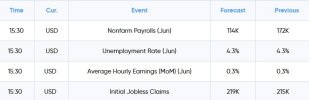
Gold climbed toward $4,200 on Friday after weak US jobs data reduced Fed rate hike expectations. June payrolls rose just 57,000, well below the 110,000 forecast, while unemployment held at 4.2%.

September hike odds fell to about 50% from 67%, and Fed Chair Kevin Warsh said inflation expectations were easing. Lower oil prices and improving US-Iran talks, which supported shipping through the Strait of Hormuz, also lifted gold.

First resistance is seen at $4195, with initial support near $4120.

Yen Consolidates Near 161​

yen-consolidates-near-161-6589.png

The Japanese yen stabilized around 161 per dollar on Friday, consolidating after gaining nearly 1% in the previous session. Finance Minister Satsuki Katayama reaffirmed that authorities stand ready to step into the market at any moment to defend the currency.

Her comments intensified intervention speculation, with market participants eyeing the thin liquidity over the U.S. holiday weekend as an ideal window for official action. Katayama added that Japan and the United States maintain close dialogue regarding foreign exchange policy.

Initial resistance stands at 162.70, while the first support is at 161.00.

Pound Hits Two-Week High​

pound-hits-two-week-high-6585.png

The British pound advanced toward $1.34, reaching its strongest valuation in two weeks as the U.S. dollar faced downward pressure. The dollar was weighed down by a significantly weaker jobs report and improving global risk appetite, spurred by encouraging developments in indirect U.S.-Iran negotiations.

The U.S. economy added just 57,000 jobs last month, missing forecasts, while the unemployment rate ticked down to 4.2% due to shrinking labor force participation.

From a technical view, resistance stands near 1.3390, with support around 1.3250.

Silver Rises Past $61​

silver-rises-past-61-usd-6587.png

Silver climbed above $61 per ounce on Friday, extending recent gains after a disappointing U.S. employment report prompted market participants to scale back Federal Reserve interest rate hike forecasts. The U.S. economy added just 57,000 jobs in June, marking the weakest monthly expansion in four months and falling significantly short of the 110,000-consensus estimate.

Meanwhile, the unemployment rate held flat at 4.2%. This weak data follows downbeat private-sector payroll figures released on Wednesday, which similarly missed market expectations.

From a technical view, resistance stands near $63.60, while support is located around $60.10.

Brent Crude Oil​

BRENT (2).png

Brent crude held around $72 per barrel, close to levels seen before the Middle East conflict began in late February.

Oil flows through the Strait of Hormuz continued to recover as US-Iran negotiations progressed. Saudi Arabia's crude exports have returned to roughly 90% of pre-war volumes, while the UAE has fully restored exports through a combination of Hormuz shipments and its bypass pipeline, supporting a gradual normalization in regional supply.

Resistance is seen at 76.00, while the nearest support stands at 69.50.

Nasdaq 100​

NASDAQ (2).png

The NAS100 traded below 30,000 as technology shares remained under pressure despite softer US labor data.

While easing rate expectations offered some support, concerns over AI valuations and profit-taking continued to limit upside, leaving the index near key technical levels.

Resistance stands at 30,500, while the nearest support is located at 29,450.

Bitcoin (BTC/USD)​

BTC (2).png

Bitcoin traded near $61,289, down 0.31% on the day. The cryptocurrency has declined 3.88% over the past four weeks and remains 43.27% below its level a year ago.

Longer-term projections continue to point to $60,504 by quarter-end and $68,030 over the next 12 months.

First resistance is seen at 62,600, with initial support near 58,800.

Offshore Chinese Yuan​

CNH (2).png

The offshore yuan strengthened to around 6.78 per dollar after recovering from the previous session.

However, concerns over China's economic outlook remained, with the private Manufacturing PMI slipping to 51.7 in June from 51.8 in May, its lowest reading in three months.

Resistance stands at 6.8150 while the nearest support is located at 6.7650.
 
Last edited:

A Softer Dollar Stabilizes Markets (07.06.2026)​

U.S. equity futures climbed on Monday as market participants returned from an extended holiday weekend, extending a rally that pushed the Dow toward historic highs near 53,000. While semiconductor stocks showed underlying weakness, capital rotated aggressively into healthcare, financials, and industrials, driving those sectors to new peaks.

Market focus is now shifting toward the upcoming Federal Reserve June meeting minutes, with investors weighing potential rate trajectories against cooling inflation anxieties, which were aided by recovering crude flows through the Strait of Hormuz.

U.S. 10-year Treasury yield drifted down to 4.47%, and the dollar index remained pinned below 101. This softness follows June’s disappointing 57,000 nonfarm payroll print, which missed the 110,000 forecast and forced traders to scale back September rate hike probabilities.

Japan’s 10-year government bond yield hovered near 2.79%, holding close to its highest mark since 1996. JGB selling persisted after Tokyo unveiled a massive ¥370 trillion growth initiative through 2040 that calls for central bank backing, while a heavily depreciated yen continues to exert structural upward pressure on domestic yields by keeping Bank of Japan rate hikes firmly on the table.

Economic Calendar​

eco-calendar-6-july.jpg


Euro Clarifies Above $1.14​

euro-clarifies-above-dollar1-14-6604.png

The euro finished the week above $1.14, gaining 0.5% as disappointing U.S. payroll figures dragged down the dollar. However, upside momentum was capped by cooling Eurozone inflation and dovish rhetoric from Christine Lagarde, which lowered the probability of a third ECB rate hike.

June headline inflation slowed to 2.8% and core inflation hit 2.4%, both missing forecasts. Lagarde highlighted receding risks from falling energy prices following the U.S.-Iran peace agreement.

The first resistance is positioned at 1.1460 while the support starts from 1.1380.

Gold Holds Near $4,170​

gold-holds-near-4170-usd-6601.png

Gold stabilized near $4,170 per ounce on Monday, maintaining last week's gains as soft U.S. employment data and retreating crude prices reduced Federal Reserve rate hike expectations.

Oil prices dipped amid recovering flows through the Strait of Hormuz and OPEC+ supply developments, alleviating the inflation concerns that previously burdened the metal. Following June's weak 57,000 payroll print, CME FedWatch data showed September rate hike probabilities dropping to 50% from 66%.

First resistance is seen at $4200, with initial support near $4120.

Yen Slides Back to 162​

yen-slides-back-to-162-6605.png

The Japanese yen slipped toward 162 per dollar on Monday, reversing half of its July 2 gains as Tokyo held off on actual market intervention despite persistent warnings. Market participants remain doubtful that official action will offer sustainable relief.

While speculation grows that authorities might abandon advanced warning signals to shock speculative shorts, the currency found minor structural support from weak U.S. employment data and resulting lower Fed rate hike expectations.

Initial resistance stands at 162.70, while the first support is at 161.00.

Pound Holds Near $1.335​

pound-holds-near-dollar1-335-6602.png

The British pound held near $1.335, posting a 1% weekly gain as weak US jobs data weighed on the dollar. Gains were capped by the Bank of England's dovish outlook, with Governor Andrew Bailey citing slower growth and delaying rate cuts.

Meanwhile, Andy Burnham's commitment to fiscal discipline ahead of his expected July premiership supported market confidence.

From a technical view, resistance stands near 1.3390, with support around 1.3250.

Silver Holds Above $62​

silver-holds-above-62-usd-6603.png

Silver traded above $62 an ounce Monday, sustaining previous gains as weak U.S. labor data and retreating crude prices pared Federal Reserve rate hike expectations.

Oil prices fell on recovering Strait of Hormuz flows and OPEC+ supply concerns, soothing inflation anxieties. June’s soft 57,000 payroll additions missed the 110,000 forecast, trimming September hike odds to 50%.

From a technical view, resistance stands near $63.60, while support is located around $60.10.

Brent Crude Oil​

BRENT.jpg

Brent crude traded below $72 a barrel Monday, hovering near multi-month lows as Strait of Hormuz shipping traffic normalized and OPEC+ confirmed a production increase of 188,000 barrels per day.

Growing supply confidence, underscored by recovering Saudi exports and restored UAE shipments, helped ease regional supply disruption anxieties.

Resistance is seen at 74.00, while the nearest support stands at 70.50.

Nasdaq 100​

NASDAQ.jpg

The Nasdaq-100 hovered near $29,800, buoyed by soft U.S. labor data that mitigated interest rate fears and stimulated technology stocks. Technical sentiment remains neutral-to-bullish, with a sustained breach above $30,000 targeting $30,600, while failure risks a consolidation pullback toward key support at $29,200.

Resistance stands at 30,000, while the nearest support is located at 29,150.

Chinese Yuan (USD/CNH)​

CNH.jpg

The offshore yuan softened to 6.78 per dollar on Monday as traders positioned ahead of crucial domestic inflation data. Recent economic metrics signaled a steady close to the second quarter, aided by easing trade disruptions.

While services growth decelerated slightly, manufacturing and non-manufacturing activities showed resilience, beating consensus forecasts and indicating stable underlying economic momentum.

Resistance stands at 6.8150 while the nearest support is located at 6.7650.

Bitcoin (BTC/USD)​

BTC.jpg

Bitcoin stabilized near $63,750, recovering from a $58,000 low due to legislative optimism, substantial ETF inflows, and macro risk-on sentiment.

While technical indicators lean neutral-to-bullish, heavy overhead resistance near $64,000 and repeated failed breakouts suggest upside momentum is slowing, likely pointing toward a period of near-term consolidation.

First resistance is seen at 64,500, with initial support near 60,900.
 

Gold Holds Recovery, but Confirmation Is Still Missing


xauusd-update.jpg

Gold is still supported by safe-haven demand, with Russia-Ukraine, Israel-Lebanon, and Hormuz risks keeping buyers active. Softer Fed hike expectations after weaker US jobs data are also helping gold, but rate volatility can still limit the upside.

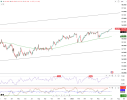
Technically, the setup is improving, but it is not fully bullish yet. RSI is near 50, MACD is rising, and price is consolidating inside the Bollinger bands. Still, XAUUSD remains below the 50-day SMA, so the broader trend has not clearly turned positive.

The base scenario is sideways trading for now. As long as RSI stays neutral and price remains below the main trend filter, consolidation looks more likely than a clean breakout.

The bullish scenario needs a sustained move back above the 50-day SMA. That would confirm the improving momentum and align the chart with the supportive safe-haven and softer Fed narrative.

For now, the first resistance is around 4,160, followed by 4,165 and 4,173. On the downside, 4,146, 4,138, and 4,133 are the key support levels. A clear break above resistance could strengthen the recovery, while failure there may keep gold stuck in consolidation.
 

EUR/USD Stays Below Trend Resistance

euro-clarifies-above-dollar1-14-6604.png

EUR/USD is trying to stabilize, but the setup is still mixed. Eurozone data has improved in some areas, with better Sentix confidence, German factory orders, and retail sales. Still, weak construction PMI shows the recovery is not broad yet.

The dollar is also getting support from risk-off flows. Ukraine headlines and Hormuz-related tensions are keeping safe-haven demand alive, which limits the euro’s upside.

Technically, EUR/USD remains below the 50-day SMA and the falling trendline. RSI near 42 shows soft momentum, but the MACD bullish cross suggests selling pressure may be slowing.

For now, the first resistance is around 1.1424, followed by 1.1429 and 1.1436. On the downside, 1.1412, 1.1405, and 1.1400 are the key support levels. A move above 1.1436 could help the pair recover, but failure there may keep EUR/USD under pressure.
 

Brent Holds Near $72 After Sharp Drop


brentupdate.jpg

Brent remains under pressure as supply concerns ease. OPEC+ agreed to raise output again from August, while tanker flows through the Strait of Hormuz continue to recover. Saudi Arabia’s lower selling price to Asia also points to softer demand and more competition in the physical market.

Still, the market is not completely risk-free. Shipping risks around Hormuz remain, and Ukraine’s strikes on Russian oil infrastructure could still create short-term supply fears. This keeps Brent exposed to sudden headline-driven rebounds.

For now, the main pressure is coming from better supply expectations and weak demand signals. But with geopolitical risk still active, the short-term outlook looks more like choppy trading than a clean one-way move.

Technically, the trend is still weak. Price is below the 50-day SMA, MACD is falling, and Brent is testing the $72 area. However, RSI near 28 shows oversold conditions, so chasing fresh downside may be risky.

For now, $72.20 is the first resistance, followed by $72.41 and $72.77. On the downside, $71.63, $71.27, and $71.06 are the key support levels. A clear break below these levels could bring $70 back into focus, while holding above them may support a short recovery.
 

Fed Minutes are in Focus as Dollar Stabilizes (07.07.2026)

US stock futures ticked down on Tuesday following a historic session that saw the Dow Jones Industrial Average close above 53,000 for the first time. The post-holiday technology rally, propelled by heavyweights like Tesla and Meta, lifted the S&P 500 and Nasdaq Composite. However, after-hours trading saw Rivian slide over 9% due to a sizable stock offering, while Samsung fell in Seoul despite registering strong AI-driven profits.

In the fixed-income market, the 10-year Treasury yield consolidated near 4.48%. Investors are closely parsing macro data, including upcoming trade balance figures and the June Federal Reserve meeting minutes.

Disappointing June payroll growth, alongside downward revisions, lowered the implied probability of a September rate hike to approximately 50%, down from two-thirds earlier, despite resilient ISM Services employment figures.

The dollar index remained soft below 101, pressured by the cooling interest rate outlook. Despite this near-term moderation, the dollar continues to hover near forty-year highs against the yen. Beneath the surface, broader institutional conviction in the U.S. currency remains strong. Bullish dollar positioning among traders has reached an eleven-year peak near $40 billion, driven by expectations that Fed Chair Kevin Warsh will sustain an elevated rate environment.

Economic Calendar​

eco-calendar-7-july.jpg

Euro Balances Mixed Signals​

euro-balances-mixed-signals-6621.png

The euro hovered near $1.14 as investors digested conflicting economic data from the Eurozone. While German factory orders outperformed expectations with a 1.9% expansion, retail sales growth disappointed at 0.2%, and producer inflation climbed to 5.9%.

Last week's 0.5% advance against the dollar, sparked by soft U.S. labor figures, faced resistance from dovish ECB rhetoric. Markets are pricing in just a single 25-basis-point rate hike this year, even as Berlin finalized a €555.4 billion budget for 2027.

The first resistance is positioned at 1.1460 while the support starts from 1.1400.

Gold Softens Below $4,130​

gold-softens-below-dollar4130-6619.png

Gold edged lower below $4,130 an ounce on Tuesday, though it retained the bulk of last week's gains as investors anticipated the Federal Reserve's June minutes. Disappointing June labor data lowered September rate hike expectations to roughly 50%.

Falling oil prices, pulled down by stabilizing Strait of Hormuz shipping lanes and expanded OPEC+ production targets, helped anchor market sentiment and limit significant downside for the precious metal.

First resistance is seen at $4200, with initial support near $4080.

Yen Lags Near 162​

yen-lags-near-162-6622.png

The yen hovered near 162 per dollar on Tuesday, remaining pinned close to its lowest level in forty years as traders continued selling the currency amid absent Bank of Japan intervention. Finance Minister Satsuki Katayama restated Japan's readiness to intervene alongside Washington, though market participants question the long-term effectiveness of such actions.

Additional pressure stems from fiscal expansion anxieties and a sluggish policy normalization pace, even as mixed domestic data revealed rising wages but falling household spending.

Initial resistance stands at 162.70, while the first support is at 161.00.

Pound Eases as Dollar Rebounds​

pound-eases-as-dollar-rebounds-6620.png

The pound retreated to $1.339, ending a seven-day winning streak as the dollar staged a recovery from its recent employment-driven selloff. While sterling benefited from a 1.1% weekly advance as Federal Reserve rate expectations cooled, sliding crude prices have simultaneously lowered tightening pressure on the Bank of England, with Andrew Bailey affirming a steady path toward inflation targets.

From a technical view, resistance stands near 1.3430, with support around 1.3330.

Silver Dips Below $61.50​

silver-dips-below-dollar61-50-6623.png

Silver fell below $61.50 an ounce on Tuesday, holding most of its prior weekly gains as market participants awaited the Federal Reserve's June minutes. Disappointing labor data lowered September rate hike expectations to near 50%.

Falling crude prices, driven by normalizing Strait of Hormuz logistics and heightened OPEC+ production targets provided underlying structural support for the metal.

From a technical view, resistance stands near $63.20, while support is located around $60.10.

Brent Crude Oil​

Brent.jpg

Brent crude stabilized above $72 a barrel, hovering near a four-month low as widening supply anxieties persisted. Downward pressure intensified following the normalization of Strait of Hormuz maritime traffic, alongside OPEC+'s weekend strategy to lift production targets.

In response to this rising output, Saudi Aramco reduced its Arab Light price for Asian buyers by $11, moving to a $1.50 discount.

Resistance is seen at 74.00, while the nearest support stands at 70.50

Nasdaq 100​

nasdaq.jpg

The Nasdaq 100 continues its upward trajectory, finding solid support near $29,500 as buyers aim for the $30,200 to $30,500 zone. Despite recent sideways consolidation, the index maintains a bullish pattern of higher lows.

Persistent dip-buying and evolving Federal Reserve interest rate expectations continue to underpin overall technology sector momentum.

Resistance stands at 30,000, while the nearest support is located at 29,150.

Chinese Yuan (USD/CNH)​

CNH.jpg

USDCNH traded near 6.7900 as the offshore yuan showed resilience against minor US dollar softening. China's currency drew support from structural US debt anxieties and steady PBoC liquidity management.

Technical momentum leans slightly bearish as traders adjust positions ahead of Federal Reserve policy cues.

Resistance stands at 6.8150 while the nearest support is located at 6.7650.

Bitcoin (BTC/USD)​

btc.jpg

Bitcoin held within a $63,500 to $64,000 range, consolidating as strong institutional ETF inflows countered ongoing leverage-driven liquidation pressure.

The cryptocurrency maintains a neutral technical bias with its 14-day RSI in the mid-50s to low-60s, keeping a total market cap near $1.3 trillion. Immediate support rests at $61,000, while resistance clusters near $64,500.

First resistance is seen at 64,500, with initial support near 61,300.
 

Gold Stays Mixed Ahead of FOMC Minutes


xauusd-update.jpg

Gold is trading in a mixed setup. Fresh attacks around the Strait of Hormuz are supporting safe-haven demand, but Fed comments are limiting the upside. Waller’s focus on renewed inflation risks keeps the dollar and yields in play, which can pressure gold.

The ISM Services data matched expectations, so it did not change the market view much. Traders are now waiting for the FOMC Minutes, which could decide whether gold holds its rebound or loses momentum again.

Technically, the picture is not fully bullish yet. Gold is still below the 50-day SMA, and RSI near 46.7 shows neutral momentum. However, MACD is rising, which means selling pressure is starting to fade.

For now, 4,250 is the first key resistance to watch. A break above this area could support a move toward 4,338 and 4,447. On the downside, 4,100 and 4,000 remain important support zones. As long as gold stays below 4,250, the market may remain choppy and headline-driven.
 

Dollar Firms on Inflation (07.08.2026)

US stock futures edged lower on Wednesday, extending a semiconductor-led decline as investors balanced tech sector pressure against escalating Middle East hostilities. Equity sentiment remained fragile due to structural doubts over global artificial intelligence spending, which overshadowed strong corporate earnings and new chip manufacturing initiatives abroad.

Market anxieties intensified after the US military launched targeted airstrikes against Iranian infrastructure. Central Command justified the action following drone and missile attacks on commercial vessels navigating the Strait of Hormuz, labeling the maritime disruptions a direct violation of the regional ceasefire. Iranian state media subsequently confirmed multiple explosions across key coastal hubs in Hormozgan province.

The 10-year US Treasury yield surged to a multi-week high of 4.561%. This move was triggered by a rapid 5% spike in international crude oil benchmarks alongside Washington's decision to revoke Iranian energy export waivers, both of which stoked fresh sovereign inflation fears. Also, financial markets adjusted September Federal Reserve rate hike probabilities higher ahead of the upcoming FOMC policy minutes.

In Asia, macroeconomic indicators revealed that Japanese bank lending expanded by 5.7% year-on-year in June. While the figure marginally undershot consensus estimates, total outstanding loans climbed to 676.1 trillion yen, matching the fastest pace of domestic credit growth observed in five years.

Economic Calendar​

eco-calendar-8-july.jpg

Euro Keeps Steady Near $1.14​

euro-keeps-steady-near-1-14-usd-6628.png

The euro consolidated near $1.14 as rising oil prices, fueled by Strait of Hormuz conflict risk, stoked persistent inflation worries. While hawkish ECB comments regarding ongoing Middle East disruptions heightened near-term rate expectations, soft regional data and Christine Lagarde's tempered stance limited further upside. Germany approved an expanded €555.4 billion 2027 budget requiring additional sovereign borrowing.

The first resistance is positioned at 1.1440 while the support starts from 1.1370.

Gold Recovers Near $4,100​

gold-recovers-near-dollar4100-6630.png

Gold stabilized near $4,100 an ounce on Wednesday, recovering prior losses as fresh U.S. airstrikes and maritime shipping disruptions threatened the interim truce. Geopolitical escalations and Washington's decision to revoke Iran's oil export waiver drove energy prices higher, compounding inflation concerns. This safe-haven demand balanced earlier momentum sparked by soft employment data ahead of the Federal Reserve's June minutes.

First resistance is seen at $4150, with initial support near $4060.

Yen Pressured Near 162.40​

yen.png

USDJPY consolidated near 162.40, lingering just below its multi-decade high as wide interest rate differentials supported the dollar. While Finance Minister Katayama warned of potential intervention, prompting minor short-covering, geopolitical shipping friction in the Strait of Hormuz reinforced safe-haven demand for the dollar. Traders are closely watching the 162.50 threshold ahead of the Federal Reserve's minutes.

Initial resistance stands at 162.80, while the first support is at 161.70.

GBP/USD Pauses Near 1.3347​

gbpusd-pauses-near-1-3347-6632.png

GBPUSD eased toward 1.3347 as geopolitical frictions and climbing U.S. yields tempered recent upside momentum. Escalating shipping risks in the Strait of Hormuz drove safe-haven dollar demand, even as BOE Governor Bailey ruled out near-term rate cuts with inflation approaching 2%. Though soft payrolls previously limited the dollar, a rebound in U.S. 10-year yields near 4.56% constrained the pound.

From a technical view, resistance stands near 1.3400, with support around 1.3310.

Silver Holds Below $60​

silver-holds-below-dollar60-6629.png

Silver consolidated below $60 an ounce on Wednesday, reversing a 3% decline as renewed U.S. airstrikes and maritime shipping disruptions jeopardized the regional truce. Escalating tensions and revoked Iranian oil export waivers drove energy prices higher, stirring inflation anxieties. This safe-haven demand balanced previous tailwinds from weak employment data ahead of the Federal Reserve's June minutes.

From a technical view, resistance stands near $61.70, while support is located around $58.50.

Brent Crude Oil​

brent.png

Brent crude spiked above $76 per barrel, advancing over 6% this week following U.S. airstrikes in Iran and revoked energy waivers. The escalations followed drone and missile attacks on Qatari LNG and Saudi oil tankers transiting the Strait of Hormuz, threatening the regional truce. These disruptions rapidly reversed previous market supply glut expectations sparked by expanding OPEC+ output.

Resistance is seen at 77.50, while the nearest support stands at 73.20.

Nasdaq 100​

nasdaq.png

The Nasdaq 100 retreated to 29,313.2 as rising energy costs and semiconductor valuation fatigue triggered a sharp tech liquidation. Broad weakness in chipmakers dragged the SOX index down 4.65%, while revoked Iranian oil licenses fueled hawkish Federal Reserve expectations. Additionally, SpaceX fell 7% during a volatile index debut rebalancing.

Resistance stands at 29,750, while the nearest support is located at 29,000.

Chinese Yuan (USD/CNH)​

CNH (3).png

USDCNH advanced near 6.8039 as persistent Federal Reserve rate expectations and oil-driven inflation countered PBoC stabilization efforts. Divergent economic performance, characterized by resilient U.S. indicators against moderating Chinese export growth, alongside escalating international trade frictions reinforced defensive dollar demand. Market participants are monitoring daily fixings and the 6.8150 threshold for further breakout momentum.

Resistance stands at 6.8150 while the nearest support is located at 6.7870.

Bitcoin (BTC/USD)​

BTC.png

BTCUSD consolidated near $63,381, climbing 10% from recent lows as institutional treasury accumulation countered muted retail interest and substantial ETF outflows. Soft U.S. employment figures renewed Federal Reserve rate cut optimism, reinforcing bitcoin's macroeconomic appeal. Ongoing corporate acquisitions and strategic reserve speculation sustained prices, while traders monitor key resistance at $64,600 and support at $62,000.

First resistance is seen at 64,500, with initial support near 61,300.
 

NAS100 Pulls Back as Chip Stocks Weaken


NASDAQ-update.jpg

Nasdaq 100 is under pressure as the tech rally loses momentum. The latest drop is mainly linked to semiconductor weakness after Samsung’s results raised fresh questions about AI demand, memory pricing, and whether chip earnings are close to a peak.

The risk mood is weaker because oil prices jumped again on renewed Iran and Hormuz headlines. Higher oil can revive inflation concerns, lift yields, and put pressure on long-duration growth stocks.

The Fed minutes are now the next key focus. If the tone supports higher-for-longer rates, Nasdaq could stay under pressure. A softer message may help buyers defend the current pullback.

Technically, the setup still looks fragile. Price remains below the 50-day SMA, MACD is falling, and RSI near 47 is not oversold yet. This means there is still room for more downside if risk sentiment weakens further.

For now, resistance stands at 29,280, followed by 29,404 and 29,468. Support is seen at 29,093, 29,029, and 28,905. A break below support could extend the pullback, while a move above resistance may help stabilize NAS100.
 

Markets Stay Defensive Amid Tensions (07.09.2026)

U.S. Central Command executed additional targeted airstrikes against Iranian assets to preserve freedom of navigation in the Strait of Hormuz. The military action followed repeated Iranian assaults on commercial vessels transiting international waters. As the conflict entered its second day, Tehran vowed to retaliate against regional American military installations, intensifying broader geopolitical friction.

These escalating hostilities severely disrupted financial markets, pushing energy prices higher and renewing structural inflation anxieties. Reflecting these macroeconomic concerns, the benchmark 10-year U.S. Treasury yield stabilized near a seven-week high of 4.58%. Strong safe-haven demand lifted the dollar index toward 101, positions underpinned by shifting monetary policy expectations. While recent Federal Reserve minutes revealed minimal immediate appetite for tightening, market participants are increasingly pricing in a rate hike before the end of the year.

Meanwhile, Wall Street equity futures stabilized on Thursday as investors adjusted to the shifting macroeconomic landscape. This followed a mixed cash session where the Dow Jones Industrial Average dropped 1.09% and the S&P 500 slipped 0.28%, while energy and technology shares helped the Nasdaq Composite post a marginal 0.2% gain. Market participants are now focused on upcoming initial jobless claims, housing data, and corporate earnings reports.

Economic Calendar​

eco-calendar-9-july.jpg

Euro Pressured Near $1.14​

euro-pressured-near-dollar1-14-6640.png

The euro consolidated near $1.14, languishing close to a one-year low as rising energy costs stoked inflation worries and fueled ECB tightening expectations, darkening the regional growth outlook. Brent crude hit multi-week highs after renewed military strikes prompted Donald Trump to declare the ceasefire over.

Now, markets are pricing over 30 basis points in additional hikes, even as Germany approved its 2027 budget and Marine Le Pen formalized her presidential campaign.

The first resistance is positioned at 1.1440 while the support starts from 1.1370.

Gold Steadies Near $4,100​

gold-steadies-near-dollar4100-6644.png

Gold consolidated near $4,100 an ounce on Wednesday, recovering from a 1% drop as renewed U.S. airstrikes in Iran and Strait of Hormuz maritime shipping attacks jeopardized the regional truce.

Rising energy prices stoked inflation anxieties after Washington revoked Iranian crude export waivers. These safe-haven inflows balanced earlier optimism from weak employment data ahead of the Federal Reserve's June minutes.

First resistance is seen at $4100, with initial support near $4000.

Yen Nears 40-Year Lows​

yen-nears-40-year-lows-6643.png

The yen hovered near 162.50 per dollar on Thursday, languishing close to forty-year lows as the expanding U.S.–Iran conflict drove oil prices higher, straining Japan’s energy-dependent economy. Bearish positioning persisted despite verbal warnings from Tokyo and ongoing threats of military retaliation from Tehran.

Market participants are awaiting official intervention data to clarify July’s brief currency rally, while Japan revised its policy agenda to emphasize price stability.

Initial resistance stands at 162.80, while the first support is at 161.70.

Sterling Softens to $1.335​

sterling-softens-to-1-335-usd-6642.png

The pound retreated to $1.335 from a multi-week peak as climbing oil prices stoked inflation fears, clouding the UK economic outlook. Brent hit recent highs following renewed U.S. strikes on Iran, with Donald Trump declaring the truce over at the NATO summit.

Markets now fully price in a 25-basis-point Bank of England rate hike.

From a technical view, resistance stands near 1.3450, with support around 1.3360.

Silver Falls Below $59 amid Iran Conflicts​

silver-falls-below-59-usd-amid-iran-conflicts-6641.png

Silver remained capped below $59 an ounce on Thursday, declining for a second session as expanding Middle East hostilities triggered industrial supply chain and inflation worries.

Continued U.S. airstrikes prompted Iranian threats against regional bases, while Donald Trump declared the ceasefire over. Despite dovish Federal Reserve minutes, market participants still anticipate a rate hike by year-end.

From a technical view, resistance stands near $59.00, while support is located around $56.50.

Brent Crude Oil​

brent.jpg

Brent crude surged toward $79 a barrel, capping a nearly 10% weekly gain as sustained U.S. airstrikes targeted Iranian threats to Strait of Hormuz navigation.

With Donald Trump declaring the ceasefire over, Washington warned of a potential naval blockade and operations against Kharg Island's export terminal, intensifying global oil supply disruption fears amid vows of large-scale Iranian retaliation.

Resistance is seen at 80.20, while the nearest support stands at 76.20.

Nasdaq 100​

Nasdaq.jpg

The Nasdaq 100 faced selling pressure near $29,170, testing its 200-period moving average amid a semiconductor retreat and changing Federal Reserve rate expectations.

Mega-cap chipmakers including Nvidia, Broadcom, and AMD declined following mixed corporate guidance and intensifying competition. With the RSI neutral at 45 to 48, market participants are monitoring support at $29,000 ahead of upcoming inflation data.

Resistance stands at 29,750, while the nearest support is located at 29,000.

Chinese Yuan (USD/CNH)​

CNH.jpg

The offshore yuan appreciated to approximately 6.79 per dollar, snapping a three-day losing streak as accelerating producer price inflation softened domestic deflation anxieties.

June factory-gate prices climbed 4.1% on rising commodity and energy costs, offsetting an easing 1% consumer inflation print. The central bank maintained its loose monetary stance to address ongoing supply-demand imbalances.

Resistance stands at 6.8150 while the nearest support is located at 6.7870.

Bitcoin (BTC/USD)​

btc.jpg

Bitcoin dropped 1.5% to 2.5%, trading around $61,800 to $62,300 as escalating Middle East tensions prompted a risk-off rotation that unwound leveraged long positions.

Despite corporate liquidation pressure, institutional spot ETF inflows countered the selling volume as global exchange reserves diminished. Technical indicators signal a neutral bias, establishing near-term downside cushions between $60,800 and $58,300.

First resistance is seen at 64,500, with initial support near 61,300.
 

The Week Ends With Cautious Markets (07.10.2026)


Federal Reserve Chair Kevin Warsh announced the members of five new task forces focused on communications, balance sheet policy, data, employment, and inflation. The groups include leading economists, former central bankers, and business figures such as Mervyn King, Raghuram Rajan, Raj Chetty, Marc Andreessen, Greg Mankiw, and Thomas Sargent. Their goal is to conduct a broad review of the Fed's policy framework and provide recommendations for future decision-making.

Financial markets responded to a mix of monetary policy developments and easing geopolitical tensions. The US Dollar Index slipped toward 100.5, marking its third consecutive daily decline as ongoing US-Iran peace talks reduced demand for safe-haven assets. Lower oil prices also eased inflation concerns, although markets continue to expect at least one Federal Reserve rate hike this year. New York Fed President John Williams noted that AI-driven demand remains an important source of inflationary pressure.

The US 10-year Treasury yield also edged lower to around 4.54%, extending its decline for a second session as falling energy prices improved the inflation outlook.

Meanwhile, US stock futures were little changed following Thursday's rally. The S&P 500 and Nasdaq remained on track for weekly gains, supported by strength in semiconductor shares. AI-related stocks continued to see mixed trading as valuation concerns persisted, though SK Hynix's heavily oversubscribed US share offering helped achieve confidence across the sector. Micron, Sandisk, and AMD were among the session's strongest performers, aided by easing oil prices and improving geopolitical sentiment.

Economic Calendar​

eco-calendar-10-july.jpg

Euro Stabilizes Near $1.145​

euro-stabilizes-near-dollar-1-145-6654.png

The euro traded near $1.145, recovering from June’s one-year low on expectations of a September ECB rate hike, though cooling Eurozone inflation capped gains.

EUR/USD faced headwinds as safe-haven dollar demand intensified after Donald Trump terminated the Iran ceasefire, reinforced by hawkish Federal Reserve commentary and Brent crude testing multi-week highs.

The first resistance is positioned at 1.1480 while the support starts from 1.1430.

Gold Is Steady Above $4,120​

gold-is-steady-above-dollar4120-6650.png

Gold stabilized above $4,120 an ounce on Friday, ending a volatile week virtually unchanged as market participants evaluated persistent Middle East frictions. Ongoing U.S.–Iran discussions continue despite recent airstrikes disrupting energy transit through the Strait of Hormuz, reviving inflation anxieties.

While a Federal Reserve rate hike remains anticipated later this year, monetary policy trajectories remain cloudier after John Williams cited artificial intelligence demand as a primary inflationary threat.

First resistance is seen at $4150, with initial support near $4080.

Yen Rebounds Past 161.5​

yen-rebounds-past-161-5-6651.png

The Japanese yen strengthened past 161.5 per dollar on Friday, reversing its weekly losses as market participants remained alert for potential currency intervention following recent 40-year lows. While investors await data confirming official support, domestic producer price inflation surged 7.1% in June.

Additionally, retreating oil prices tied to renewed U.S.–Iran diplomatic talks further alleviated pressure on the currency.

Initial resistance stands at 162.00, while the first support is at 160.70.

Sterling Reclaims $1.34​

sterling-reclaims-dollar1-34-6652.png

The pound advanced past $1.34, hitting its highest level since mid-June, as investors increased Bank of England rate-hike expectations amid intensifying U.S.–Iran frictions. Crude oil hit multi-week highs following fresh airstrikes and Donald Trump's termination of the ceasefire, amplifying inflation anxieties.

Overnight, markets fully priced in a December BoE rate increase, while sterling's stability indicated that political succession dynamics are already digested.

From a technical view, resistance stands near 1.3480, with support around 1.3380.

Silver Holds Near $60​

silver-holds-near-60-usd-6653.png

Silver stabilized near $60 an ounce on Friday, though it remained on track for a weekly loss as market participants monitored Middle East developments. Ongoing U.S.–Iran diplomatic discussions provided a backdrop to recent airstrikes that disrupted energy flows and reawakened inflation fears.

Markets continue to price in a Federal Reserve rate hike this year, despite policy uncertainty linked to AI-driven demand.

From a technical view, resistance stands near $61.80, while support is located around $59.20.

Brent Crude Oil​

BRENT.jpg

Brent crude stabilized near $76 a barrel on Friday, down 2% on the session following reports that U.S.–Iran peace talks will persist despite recent shipping disruptions in the Strait of Hormuz.

Even with traffic slowing sharply, the benchmark headed for a 6% weekly gain driven by retaliatory airstrikes and Donald Trump's termination of the interim nuclear deal.

Resistance is seen at 78.20, while the nearest support stands at 75.50.

Nasdaq 100​

nASDAQ.jpg

The Nasdaq 100 climbed 1.62% to trade near 29,727.10, recovering from a semiconductor-driven pullback that tested support at 29,200. Opportunistic buying near the 200-period average and aggressive call-option volume catalyzed the bounce.

Reclaiming 29,900 points toward psychological targets of 30,000, though tight Federal Reserve monetary policy continues to anchor broader market sentiment.

Resistance stands at 29,850, while the nearest support is located at 29,400.

Chinese Yuan (USD/CNH)​

CNH.jpg

The offshore Chinese yuan appreciated to approximately 6.78 per dollar on Friday, reaching its strongest level in nearly three weeks. This advance followed a symbolic move by the People's Bank of China, which set its daily midpoint fixing at 6.7989.

This action broke below the critical 6.80 psychological threshold for the first time since 2023. Investors interpreted this configuration as official tolerance for currency strength, and market attention now pivots to upcoming retail, trade, and GDP data releases next week.

Resistance stands at 6.8000 while the nearest support is located at 6.7700.

Bitcoin (BTC/USD)​

btc.jpg

Bitcoin climbed 2.18% over 24 hours to trade near $63,844, stabilizing after its late-June recovery from $57,750. The digital asset faces resistance at $63,500 and its 50-day EMA, with support established at $61,500.

A fresh wave of cash flowing back into spot ETFs, mostly led by BlackRock's IBIT fund, gave the market a nice lift, even though strict comments from the Federal Reserve are keeping everyone on edge and stuck in a state of extreme fear.

First resistance is seen at 64,500, with initial support near 62,500.
 

Markets Await Inflation Amid Conflicts (07.13.2026)


CENTCOM conducted fresh military strikes against Iranian positions to diminish Tehran's capacity to threaten commercial shipping throughout the Strait of Hormuz. Ordered by Donald Trump, this operation followed a previous massive intervention that destroyed approximately 140 Iranian military assets via aircraft, drones, and naval munitions.

In response, Iran's Revolutionary Guard Navy declared the crucial shipping lane closed until further notice, halting one non-compliant vessel with warning shots and warning neighboring states against assisting Western forces.

While the United States insists the channel remains open, this severe geopolitical escalation is creating significant waves across financial markets. Historically, the S&P 500 experiences initial volatility during the onset of such tightening cycles before recovering over a longer horizon.

Goldman Sachs cautioned that subsequent inflationary pressures could drag equity indexes lower by forcing the Federal Reserve to implement restrictive interest rate hikes, despite otherwise resilient corporate earnings reports. Although the investment bank anticipates steady rates in the near term, market participants are rapidly pricing in 50 basis points of monetary tightening by mid-2027.

Economic Calendar​

eco-calendar-13-july.jpg

Euro Tests 1.1400 Support​

euro-tests-1-1400-support-6661.png

The euro remains pressured near the 1.1400 threshold as regional conflict elevates safe-haven dollar demand. Escalating U.S.–Iran tensions and approaching inflation data signal upcoming volatility, intensified by the divergence between a hawkish Federal Reserve and a dovish ECB. Sellers maintain technical control while price action stays below the April descending trendline.

The first resistance is positioned at 1.1440 while the support starts from 1.1360.

Gold Falls Under $4,100​

gold-falls-under-dollar-4100-6662.png

Gold dropped below $4,100 an ounce on Monday as renewed U.S.–Iran missile strikes drove oil prices higher, intensifying market bets on inflation-taming interest rate hikes.

The U.S. launched a fourth round of strikes Sunday following an attack on a Cyprus-flagged vessel. Investors now await pivotal U.S. inflation data and Federal Reserve Chairman Kevin Warsh's upcoming congressional testimony.

First resistance is seen at $4120, with initial support near $4020.

Yen Stabilizes in Range​

yen-stabilizes-in-range-6665.png

The USD/JPY pair traded within a narrow short-term range ahead of critical U.S. inflation data, pulling back from recent multi-decade highs while sustaining its broader upward trajectory.

The yen found support after Japan's Finance Minister urged pension funds to increase domestic asset allocations. However, elevated oil prices driven by U.S.–Iran frictions continue to burden the import-reliant Japanese economy.

Initial resistance stands at 162.30, while the first support is at 161.20.

Geopolitics Pressure Sterling​

geopolitics-pressure-sterling-6664.png

The GBP/USD pair traded under pressure near 1.3400 as intensifying Middle East conflict drove safe-haven dollar demand, neutralizing previous sterling gains from soft U.S. employment figures.

With both the Federal Reserve and the Bank of England holding interest rates at 3.75%, future direction relies heavily on data. Market participants remain highly cautious ahead of U.S. inflation figures and Federal Reserve Chairman Kevin Warsh's upcoming testimony.

From a technical view, resistance stands near 1.3440, with support around 1.3320.

Silver Drops Below $59​

silver-drops-below-dollar-59-6663.png

Silver fell below $59 an ounce on Monday, extending recent losses as escalating U.S.–Iran missile exchanges drove oil prices higher, intensifying expectations of Federal Reserve monetary tightening.

The U.S. launched a fourth round of strikes Sunday following an assault on a Cyprus-flagged vessel. Market participants now await crucial U.S. inflation data and Federal Reserve Chairman Kevin Warsh's upcoming congressional testimony.

From a technical view, resistance stands near $60.00, while support is located around $57.20.

Brent Crude Oil​

brent.jpg

Brent crude jumped over 3% past $78 a barrel on Monday, reversing a two-day decline as escalating U.S.–Iran missile friction threatened shipping lines. The latest hostilities followed a fourth round of American strikes on Sunday.

This renewed geopolitical tension dismantled prior peace-deal optimism, dimming diplomatic expectations as Iran demands firm U.S. commitments before returning to negotiations.

Resistance is seen at 80.50, while the nearest support stands at 75.50.

Nasdaq 100​

nasdaq.jpg

The Nasdaq 100 stabilized near record peaks following a two-day recovery, maintaining a 16% year-to-date advance. Market participants await upcoming CPI data for Federal Reserve monetary policy insights.

While SpaceX's index inclusion drives passive investment inflows, capital is actively rotating away from top semiconductor leaders into defensive equities and secondary artificial intelligence hardware providers.

Resistance stands at 29,850, while the nearest support is located at 29,400.

Chinese Yuan (USD/CNH)​

CNH.jpg

The USD/CNY pair extended its steady downward correction, approaching critical support thresholds. The PBOC actively adjusted its midpoint fixing to counter market volatility amid trimmed Chinese growth projections from Beijing and the World Bank.

Geopolitical friction in the Middle East sustains a safe-haven floor beneath the dollar, anchoring the pair despite softer U.S. employment figures.

Resistance stands at 6.8000 while the nearest support is located at 6.7700.

Bitcoin (BTC/USD)​

BTC.jpg

Bitcoin established short-term upward momentum, recovering from recent lows to reclaim its 100-day moving average. Prevailing uncertainty regarding the July Federal Reserve meeting restrains aggressive purchasing, while prior June ETF outflows were neutralized by long-term investor accumulation.

However, capital rotation into technology and AI sectors has reduced cryptocurrency liquidity, delaying attempts to revisit previous spring peaks.

First resistance is seen at 65,000, with initial support near 62,500.
 

Dollar Index Holds Firm Above 101


DXY.png

The dollar gained support from renewed geopolitical tensions and higher oil prices, which revived expectations that the Fed may need to stay restrictive against inflation risks.

Technically, the Dollar Index remains strong above the 101.00 level. If DXY breaks and holds above 101.80, buying momentum may accelerate again, with the next upside zone coming into focus.
 
xauusd-update.jpg

Gold is trading in a headline-driven market as US-Iran tensions and Strait of Hormuz risks keep safe-haven demand active. At the same time, higher oil prices and rising Treasury yields are bringing inflation concerns back, which can limit gold’s upside.

Technically, the setup is still mixed. XAUUSD remains below the 50-day SMA, so the trend has not fully turned bullish yet. RSI near 45 is neutral, while the rising MACD shows that selling pressure is easing.

For now, gold looks more likely to trade in a range with a slight bullish bias. Buyers need a clear move above nearby resistance to build stronger momentum.

Resistance is seen at 4,070, followed by 4,076 and 4,086. Support stands at 4,054, 4,043, and 4,038. A break below support could bring pressure back, while a move above resistance may support a recovery attempt.