
Dollar Firms on Inflation (07.08.2026)
US stock futures edged lower on Wednesday, extending a semiconductor-led decline as investors balanced tech sector pressure against escalating Middle East hostilities. Equity sentiment remained fragile due to structural doubts over global artificial intelligence spending, which overshadowed strong corporate earnings and new chip manufacturing initiatives abroad.Market anxieties intensified after the US military launched targeted airstrikes against Iranian infrastructure. Central Command justified the action following drone and missile attacks on commercial vessels navigating the Strait of Hormuz, labeling the maritime disruptions a direct violation of the regional ceasefire. Iranian state media subsequently confirmed multiple explosions across key coastal hubs in Hormozgan province.
The 10-year US Treasury yield surged to a multi-week high of 4.561%. This move was triggered by a rapid 5% spike in international crude oil benchmarks alongside Washington's decision to revoke Iranian energy export waivers, both of which stoked fresh sovereign inflation fears. Also, financial markets adjusted September Federal Reserve rate hike probabilities higher ahead of the upcoming FOMC policy minutes.
In Asia, macroeconomic indicators revealed that Japanese bank lending expanded by 5.7% year-on-year in June. While the figure marginally undershot consensus estimates, total outstanding loans climbed to 676.1 trillion yen, matching the fastest pace of domestic credit growth observed in five years.
Economic Calendar

- The euro stabilized near $1.14 as oil prices climbing past $73 after Strait of Hormuz attacks stoked structural inflation worries.
- USD/JPY traded near 162.40, hovering just under its multi-decade peak as wide interest rate differentials supported dollar demand.
- GBPUSD eased toward 1.3347 as geopolitical frictions and climbing U.S. yields tempered recent upside momentum. Escalating shipping risks in the Strait of Hormuz drove safe-haven dollar demand, even as BOE Governor Bailey ruled out near-term rate cuts with inflation approaching 2%.
- USDCNH advanced near 6.8039 as persistent Federal Reserve rate expectations and oil-driven inflation countered PBoC stabilization efforts.
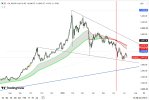
- Gold consolidated near $4,100 an ounce on Wednesday, recovering from a 1% decline as fresh U.S. airstrikes in Iran and Strait of Hormuz shipping disruptions jeopardized the regional truce.
- Silver consolidated below $60 an ounce on Wednesday, reversing a 3% decline as renewed U.S. airstrikes and maritime shipping disruptions jeopardized the regional truce.
- BTCUSD consolidated near $63,381, climbing 10% from recent lows as institutional treasury accumulation countered muted retail interest and substantial ETF outflows.
- Brent crude spiked above $76 per barrel, advancing over 6% this week following U.S. airstrikes in Iran and revoked energy waivers.
- The Nasdaq 100 retreated to 29,313.2 as rising energy costs and semiconductor valuation fatigue triggered a sharp tech liquidation.