Diplomacy Lifts Markets (08.03.2026)
US stock futures edged higher as attention shifted to another busy earnings week featuring Berkshire Hathaway, Eli Lilly, Caterpillar, McDonald's, Disney, Palantir, AMD, and SpaceX. Focus also turns to Friday's jobs report, while oil slipped after President Trump said Iran peace talks would resume.
Japan's 10-year yield climbed above 2.8%, a three-week high, as traders increased expectations for another BOJ rate hike. Governor Kazuo Ueda warned inflation risks require close attention, even as he expects underlying inflation to move toward the 2% target from the second half of FY2026.
The US 10-year Treasury yield eased to around 4.7% after reaching an 18-month high, with attention turning to a busy week of US labor data. The Fed held rates steady last week despite three dissents, while markets continue to price a 68% chance of a September hike.
The Dollar Index slipped toward 99.5, marking a fifth consecutive decline after Japan confirmed coordinated yen-buying with the US. BOJ data suggested intervention reached $58.97 billion on Thursday, while officials signaled they remain prepared to step in again if necessary.
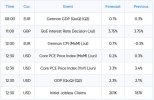
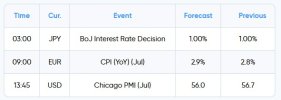
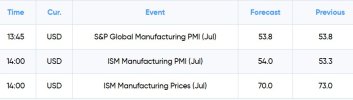
Economic Calendar
Euro Holds Cautiously Bullish

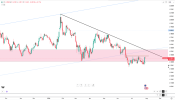
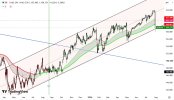
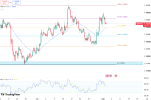
EUR/USD maintains a mild upward momentum near 1.1528, continuing its bounce after breaking key resistance. Euro gains are driven by US Dollar weakness following the Fed's rate decision, strong Eurozone Q2 GDP growth at 0.4%, and cooling geopolitical risks. Remaining above its 50-day SMA, the pair awaits Friday's key NFP data.
The first resistance is positioned at 1.1560 while the support starts from 1.1500.
Gold Rebounds on Iran Diplomacy

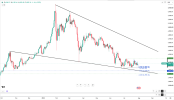
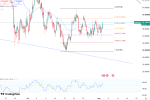
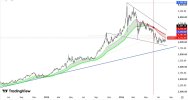
Gold rebounded past $4,050 after recovering early losses as President Trump announced resuming peace talks with Iran, pushing oil prices lower and cooling inflation concerns. Allies like Saudi Arabia encouraged diplomatic efforts over strikes, alongside calls to reopen the Strait of Hormuz.
Meanwhile, market attention shifts to a key US labor market week featuring Friday's jobs report, following the Federal Reserve's rate hold, as traders price in a 68% probability of a September rate increase.
First resistance is seen at $4085, with initial support near $4020.
Yen Surges on Joint US Intervention

The Japanese yen rallied toward 155 against the dollar, expanding its three-day gain to 5% following official confirmation of joint currency intervention by Japan's Finance Ministry and the US Treasury. Japanese officials emphasized readiness for additional coordinated steps to counter recent 40-year lows.
US officials framing the effort as a move to preserve global financial stability, countering previous downside pressure caused by high energy import costs, fiscal worries, and widening interest rate gaps.
Initial resistance stands at 157.30, while the first support is at 155,30.
Sterling Holds Near 1.3470
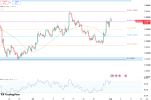
GBP/USD trends moderately higher near 1.3470, staying firm above key short-term moving averages. The Bank of England's rate hold at 3.75% provides underlying support against a broader dollar retreat, while improving geopolitical sentiment reduces safe-haven demand.
However, historical downside seasonal trends typically seen throughout August continue to limit stronger bullish momentum.
From a technical view, resistance stands near 1.3500, with support around 1.3360.
Silver Recovers Above $58

Silver climbed above $58, regaining ground after announcements of renewed US-Iran peace talks pushed oil lower and tempered inflation fears. Regional allies urged diplomacy over military strikes, alongside calls to reopen the Strait of Hormuz.
Investors now turn to a busy US labor market week featuring Friday's jobs report, following the Fed's steady rate policy despite three dissents, with markets favoring a September rate hike.
From a technical view, resistance stands near $58.90, while support is located around $57.15.
Brent Crude Oil

Brent traded near $85 as reports of recent US-Iran diplomacy and a possible Strait of Hormuz agreement weighed on prices.
Markets also looked ahead to key US economic data, while improving geopolitical sentiment reduced immediate supply concerns.
Resistance is seen at 85.00, while the nearest support stands at 81.80.
Nasdaq 100

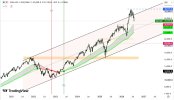
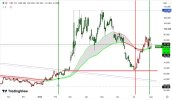
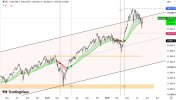
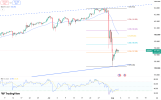
The Nasdaq-100 traded near 28,106, extending its rebound above 28,000 after a sharp correction. Microsoft jumped 16%, its biggest gain since 2008, on strong cloud revenue, lifting semiconductor shares and easing concerns over AI spending.
Amazon also advanced after earnings, while Apple and Meta declined. Softer GDP and cooler PCE inflation strengthened expectations for future Fed rate cuts.
Resistance stands at 28,800, while the nearest support is located at 28,200.
Chinese Yuan (USD/CNH)

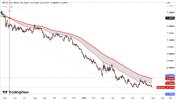
USD/CNH traded near 6.7500, staying close to multi-month lows as a stronger daily PBOC fixing supported the yuan.
Expectations for Fed rate cuts later in 2026 also weighed on the dollar, while the narrow gap between onshore and offshore yuan suggested limited speculative activity and steady capital controls.
Resistance stands at 6.7650 while the nearest support is located at 6.7420.
Bitcoin (BTC/USD)

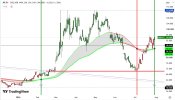
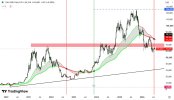
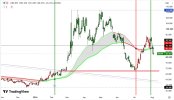
Bitcoin trades near $63,000, holding above $60,000 as buyers defend key support. Strategy's sale of 3,620 BTC challenged the company's long-standing "never sell" narrative, while weaker 1.5% US GDP growth added caution.
Heavy $60,000 put option positioning points to hedging against a deeper August pullback, with the price still below its 50-day EMA.
First resistance is seen at 63,500, with initial support near 62.000.