Daily Global Market Overview By zForex

Riksbank Minutes March 2026: Rates on Hold, But Risks Are Building


riksbank-rates-long-term.jpg

Riksbank is clearly in wait mode, but not relaxed. The tone is: hold for now, act fast if needed.

Main concern is not current inflation, but what energy + war could turn into. If oil stays high and supply shocks spread, they won’t wait for CPI to spike. They prefer acting early to protect credibility.

Big shift vs past months:
  • SEK weakness now adds inflation pressure
  • Firms may raise prices faster (2022–23 lesson still fresh)
Board split is quite clear:
  1. Hawkish: Thedéen, Seim → ready to tighten if inflation builds
  2. Middle: Jansson, Bunge → patient but cautious
  3. Dovish: Hjelm → more comfortable looking through shocks
 

U.S. labor market warning: Unemployment duration rising fast


us-job-find-period.jpg

25aa-fe0f.png
The time it takes to find a job in the U.S. is increasing sharply.

Average unemployment duration rose to 25.7 weeks in February, the highest in 4 years.

25aa-fe0f.png
The trend is accelerating.

Since October 2023, duration has increased by +6.3 weeks, the fastest rise since the pandemic period.

25aa-fe0f.png
Levels are now above pre-COVID norms.

Current figures are significantly higher than 2018–2019 averages.

25aa-fe0f.png
Short-term unemployment is also rising.

The average duration climbed to 11.1 weeks, near the highest since late 2021.

25aa-fe0f.png
Early recession signal?

Both short and long-term durations are trending up together, a pattern seen at the start of past downturns.

Bottom line: It is taking longer for Americans to find jobs, pointing to a cooling labor market.
 

Markets Keep Steady as Oil Eases (03.26.2026)


Markets showed signs of stabilization as easing oil prices and tentative diplomatic signals around the Middle East reduced immediate inflation pressures.

The dollar index held near 99.6, supported by persistent tension and rising inflation expectations linked to higher energy prices. On the other hand,
The 10-year U.S. Treasury yield advanced to around 4.35%.

Donald Trump is set to travel to Beijing on May 14-15 for a summit with Xi Jinping, after the previously postponed meeting was rescheduled due to regional tensions.

The euro held near $1.16 as expectations for aggressive ECB tightening softened, while sterling also remained steady with fewer rate hikes priced in. In contrast, the Japanese yen weakened further amid a stronger dollar and ongoing geopolitical uncertainty. The offshore yuan weakened to around 6.91 per dollar, extending caution from the previous session

Precious metals struggled to gain direction, with gold stabilizing near $4,500 and silver holding above $71 as investors balanced easing energy costs with still-elevated inflation risks.

U.S. stock futures edged lower, and now the attention has shifted to upcoming jobless claims data for signals on labor market conditions. The Nasdaq 100 traded at 24,222, rising 161 points (0.67%) from the previous session.

Brent crude traded above $103 per barrel, recovering part of the previous session’s losses as the conflict in the Middle East continued to disrupt global energy flows.

Overall, sentiment remains cautious, with markets reacting to both geopolitical developments and shifting monetary policy expectations.

Euro Steadies Near $1.16​

The euro held close to $1.16 as optimism grew regarding a potential U.S. peace proposal to Iran. While Tehran officially denied negotiations, skepticism was balanced by Brent crude slipping below $100, easing immediate inflation fears. Christine Lagarde signaled that the European Central Bank remains flexible, leading markets to price in fewer interest rate hikes for the remainder of the year.

For EUR/USD, the initial resistance is seen at 1.1610, while the closest support is positioned at 1.1520.

Yen Slips Toward 159.5​

The Japanese yen weakened to approximately 159.5 per dollar on Thursday, marking its third straight session of losses as a strengthening dollar reflected deep Middle East uncertainty. Rising crude prices have intensified inflationary pressure, clouding Japan’s growth prospects. While the arrival of two tankers bypassing the Strait of Hormuz offered minor relief, a former security adviser has now recommended deploying warships to the region to protect vital shipping lanes and secure national energy interests.

Technically, resistance stands near 159.80, while support is firm at 158.80.

Gold Stabilizes Near $4,500​

Gold remained near $4,500 per ounce on Thursday, struggling to extend its recent gains as conflicting Middle East signals unsettled markets. While Washington reports that Donald Trump sent a 15-point peace proposal via Pakistan to reopen the Strait of Hormuz, Iran has officially rejected a ceasefire, maintaining its demand for waterway control. Persistent U.S. troop deployments and high energy costs continue to fuel inflation fears, keeping gold under pressure as central banks lean toward a more hawkish policy stance.

Gold sees support near $4440, while resistance is around $4580.

Sterling Holds Near $1.34​

The British pound remained around $1.34 on optimism that Middle East tensions might de-escalate. Although Iran denied taking part in negotiations, market sentiment was buoyed by these diplomatic signals. Domestic February inflation data showed headline prices steady at 3%, with core CPI rising slightly to 3.2%. These pre-conflict figures had minimal impact, as investors now anticipate only two Bank of England rate hikes by year-end due to cooling oil prices.

From a technical view, support stands near 1.3290, with resistance around 1.3410.

Silver Remains Above $71​

Silver prices remained above $71 per ounce on Thursday, as the market struggled to maintain momentum due to conflicting geopolitical cues. Iran continues to demand full sovereignty over the strategic waterway instead of a diplomatic compromise. This stalemate, combined with ongoing U.S. troop deployments and war-driven energy spikes, has kept inflationary pressures high and central banks hawkish, limiting silver's upside potential.

From a technical view, resistance stands near $73.60 while support is located around $70.00.

Visit zForex.com and explore more on daily market outlook

 

Oil drives everything: curve pricing reality, not forecasts

A stream of inconsistent and often conflicting statements from political authorities continues to influence markets globally, at times in a seemingly manipulative way. The key question now is whether their impact on prices will start to fade.

Prices appear likely to shift focus toward realities, reflecting the true economic picture more clearly.

The market has shifted from theory to reality. Energy, especially oil, is now the main driver, overriding data and even central bank guidance.

The yield curve is no longer forecasting, it is reacting. Inflation risk is concentrated at the front end, keeping markets cautious despite ongoing easing expectations.

Central banks are losing control. While policymakers signal patience, markets are pricing a forced response to rising energy-driven inflation.

Policy path is becoming clear: tighten now, ease later. This is not optimism, but defensive positioning against a slowdown that may follow aggressive tightening.

Early signs of growth concerns are emerging. In the UK, falling long-end yields suggest markets are already preparing for weaker economic activity.

The dollar-oil link is now visible in real economies. Countries facing rising energy costs are seeing direct pressure on consumption and policy stability.

Gold weakness is not a loss of safe-haven demand. It reflects liquidity stress, as gold is sold to meet funding needs during periods of rising yields and tightening conditions.
 

Tensions Keep Markets Defensive (03.27.2026)

Reports indicated the Pentagon may deploy up to 10,000 additional troops, while Donald Trump postponed potential strikes on Iran’s energy sector by 10 days. Higher energy prices strengthened inflation concerns, pushing expectations toward tighter Federal Reserve policy, with markets pricing nearly a 50% chance of a rate increase by December.

Markets remained cautious as escalating U.S.–Iran tensions drove demand for safer assets and supported the U.S. dollar. The dollar index traded just below 100, extending gains after three consecutive sessions as Middle East tension supported demand.

The US 10-year Treasury yield held near 4.41%, heading for a strong monthly rise as energy costs reinforced the same policy outlook.

The Nasdaq 100 traded at 23,695, falling 576 points (2.38%) from the previous session. Over the past four weeks, the index has declined 5.19%, though it still shows a 22.89% gain over the past year.

The euro stayed under pressure near $1.1540 despite rising expectations for further ECB rate hikes, while the Japanese yen hovered close to the critical 160 level, raising intervention concerns. Sterling also weakened amid falling consumer confidence and heightened geopolitical risks. The offshore yuan traded near 6.91 per dollar, marking a third consecutive session of losses

In contrast, precious metals found some support, with gold rebounding above $4,400 and silver recovering from recent losses as temporary relief measures eased immediate market stress. Overall sentiment remains fragile, shaped by ongoing conflict and persistent inflation concerns.

Brent crude slipped below $107 per barrel, trimming earlier gains after Trump extended Iran’s deadline for reaching a deal by 10 days. He confirmed that 10 oil tankers were allowed to pass through the Strait of Hormuz, while Treasury Secretary Scott Bessent announced an insurance program to support regional shipping. Tehran rejected the US proposal and presented its own terms.
 

NFP and Tensions Lift Dollar (03.30.2026)

Markets remained risk-averse as geopolitical tensions and anticipation of key U.S. labor data supported the dollar. The dollar index held above the 100 mark after four consecutive sessions of gains.

Japan’s 10-year government bond yield slipped to around 2.36% but stayed near its highest level since 1999. The US 10-year Treasury yield eased slightly to about 4.4%, remaining close to its highest level since July 2025

EUR/USD stayed under pressure with a bearish outlook as investors focused on upcoming Nonfarm Payrolls and ongoing Middle East uncertainty. The Japanese yen strengthened beyond the 160 level amid rising intervention warnings, while sterling weakened further as confidence data deteriorated. USDCNH held near 6.91 per dollar, staying close to its weakest level in almost three weeks

In commodities, gold rebounded toward $4,500 on safe-haven demand, and silver remained volatile as the conflict showed no signs of easing. Brent crude opened the week roughly 3% higher, trading above $115 per barrel and reaching its strongest level since July 2022.

Nasdaq 100 traded at 23,110, falling 454 points (-1.93%) from the previous session. Over the past four weeks, the index has declined 7.53%.

Overall, sentiment continues to favor the dollar as traders await clearer signals from economic data and geopolitical developments.

Economic Calendar​

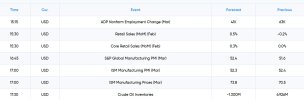
eco-cal-30-march.jpg
 

Dollar Dips as Markets Eye Data and Conflict (03.31.2026)

Markets showed mixed signals as a softer U.S. dollar allowed EUR/USD to hold near 1.1500, with investors turning attention to upcoming Eurozone inflation and German retail data.

The yield on the US 10-year Treasury note dropped to approximately 4.32% on Tuesday, marking a second consecutive session of declines. Japan’s 10-year government bond yield fell to around 2.34%, tracking the slide in US yields.

Despite the dip in yields, the US Dollar Index maintained its position above the 100 level, eyeing a monthly gain of nearly 3%.

The Japanese yen maintained strength near the 160 level amid continued intervention warnings, while sterling weakened to multi-month lows under persistent risk aversion and rising inflation concerns. The offshore yuan strengthened toward 6.91 per dollar on Tuesday, supported by better PMI data signaling renewed economic expansion.

In commodities, gold attempted to recover despite being on track for its worst monthly drop in years, while silver rebounded modestly but remained under pressure. Brent crude futures declined toward $106 per barrel on Tuesday, reversing gains following reports that Donald Trump may conclude the military campaign against Iran.

Nasdaq 100 fell to 23,166 on Tuesday, March 31, dropping 179 points or 0.78%. While the index has declined approximately 7.31% over the past month, it maintains a year-over-year gain of 19.19%.

Bitcoin rose 1.64% to trade at $67,772 on Tuesday, March 31, gaining $1,094 from the previous session. While the cryptocurrency has climbed roughly 3.09% over the last month, it remains down 20.42% year-over-year.

Overall, sentiment remains fragile as geopolitical tensions and shifting rate expectations continue to dominate market direction.

Economic Calendar​


1774944362480.png
 

Eurozone inflation rebounds, energy back in control

Eurozone-annual-inflation.png

Euro area inflation is expected to rise to 2.5% in March from 1.9%, signaling a renewed pickup in price pressures after last month’s softer reading.

The main driver is energy, which swung sharply to +4.9% YoY from -3.1%, showing how quickly oil and gas can reshape the inflation outlook.

Other components were softer. Services eased to 3.2%, food to 2.4%, and goods inflation dropped further to 0.5%, suggesting the rebound is not broad-based.
 
Optimism Lifts Forex and Gold (04.01.2026)

Markets turned more optimistic as easing tensions reduced the demand for the U.S. dollar. The US Dollar Index stabilized near 99.8 at the start of April, following a 2.3% surge in March.

The US 10-year Treasury note fell to 4.29%, marking its third consecutive session of losses. Mirroring this move, Japan’s 10-year government bond yield retreated to approximately 2.33%.

EUR/USD climbed above 1.1550, supported by improved risk appetite and expectations of a more hawkish ECB stance amid energy-driven inflation. The Japanese yen held near 160 with continued intervention signals, while sterling rebounded after recent losses as the dollar softened. The offshore yuan held steady around 6.88 per dollar on Wednesday, maintaining its recent gains as optimism grew over a resolution to the Middle East conflict

In commodities, gold rallied toward $4,700 on easing rate expectations, whereas silver remained under pressure despite brief stabilization, reflecting the broader impact of higher-for-longer interest rate outlooks.

Brent crude futures climbed past $105 per barrel, rebounding from previous losses to sustain a record monthly surge. While Donald Trump suggested a potential US withdrawal from Iran within three weeks, he noted that a formal deal with Tehran is not strictly necessary to conclude the conflict.

Nasdaq 100 climbed to 23,837, marking a substantial 3.43% or 787-point gain from the prior session. This rally pushed the index up 4.63% over the past month and 21.73% year-over-year. Despite this momentum, macro models and analyst projections remain cautious.

Overall sentiment improved, though markets remain sensitive to upcoming U.S. data and geopolitical developments.

Economic Calendar​


eco-calendar-1-april.jpg
 

Markets Wait for Geopolitics and NFP (04.02.2026)

The dollar index moved back toward the 100 level on Thursday, reversing a two-day decline as uncertainty intensified following Trump’s remarks on the Iran conflict.

The yield on the US 10-year Treasury note rose to 4.37% as hopes for a swift resolution to the conflict faded. Japan’s 10-year government bond yield advanced to 2.38%, marking a record high and ending a three-day decline.

EUR/USD held near 1.1600, supported by expectations of future ECB tightening, while USD/JPY hovered around 159 as intervention signals and mixed macro data balanced the pair. GBP/USD staged a recovery from its March lows, rebounding past 1.3300 on Wednesday to snap a nearly two week losing streak. The offshore yuan slipped to around 6.88 per dollar, ending a three-day recovery.

The U.S. dollar regained strength following renewed Middle East uncertainty, pressuring gold and silver, with gold pulling back from recent highs and silver dropping sharply. Meanwhile, sterling rebounded above 1.3300 but faced headwinds from cautious BoE guidance and rising inflation concerns. Brent crude advanced more than 3%, moving back above $100 per barrel and reversing a two-day decline

Nasdaq 100 rose to 23,724, gaining 1.18% from the prior session. Over the past four weeks, the index advanced 4.03%, with annual performance still up 28.09%.

Overall, sentiment stayed fragile as traders positioned ahead of major events.

Economic Calendar​


1775117356192.png
 

Eurozone yields surge as fiscal risks come into focus


eurozone-yield.png

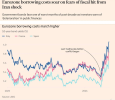
Eurozone government bond yields are moving sharply higher, with 10-year yields in Italy, France, and Spain breaking out and signaling rising concern over fiscal stability. Investors are increasingly demanding higher returns as uncertainty grows, marking one of the strongest repricing moves in recent years.

The main driver is energy. Rising oil prices are pushing inflation expectations higher while also increasing pressure on government budgets, particularly in high-debt countries like Italy. This is not an isolated move, as multiple sovereigns are repricing at the same time, pointing to a broader shift in how markets view euro area risk.

As yields rise, financial conditions tighten independently of central bank action, making the ECB’s job more complex. If this trend continues, policymakers may face growing pressure to respond to prevent further stress in sovereign debt markets.
 

Dollar Strength Returns as Tensions Continue (04.06.2026)


Markets turned defensive again as renewed geopolitical uncertainty strengthened the U.S. dollar following President Trump’s latest remarks on the Middle East.

The Nasdaq 100 slipped 0.28% to 24,172, extending its recent pullback despite strong performance over the past year.

The euro slipped toward $1.15, while the British pound also declined to multi-month lows as risk sentiment weakened. The Japanese yen remained under pressure near the 160 level amid rising energy costs.

The offshore yuan strengthened toward 6.88 per dollar, trimming earlier weakness as diplomatic efforts aimed at reopening the Strait of Hormuz gained traction.

In commodities, gold extended its pullback toward $4,600 and silver continued to slide, reflecting the impact of stronger dollar demand and persistent inflation concerns. Brent crude moved toward $110 per barrel, extending recent gains as tension intensified following a renewed ultimatum from Washington

Bitcoin rose slightly to $69,241, marking a 0.39% daily increase, as the cryptocurrency showed limited shortterm strength.

Overall, markets remain sensitive to geopolitical developments and shifting expectations around monetary policy.

Economic Calendar​


eco-calendar-6-april.jpg
 

Markets Hold Steady as Dollar Stays Firm (04.07.2026)

Markets traded in a tight range as geopolitical tensions and strong U.S. labor data continued to support the dollar.

EUR/USD held near 1.1520, with limited upside as expectations for Fed rate cuts weakened. The Japanese yen remained close to the 160 level under pressure from rising energy costs, while sterling stayed near multi-month lows amid weak risk sentiment. The offshore yuan slipped toward 6.88 per dollar, reversing earlier gains.

In commodities, gold and silver stabilized after recent declines, with prices pausing as investors assessed escalating Middle East risks and potential policy responses. Brent crude advanced above $111 per barrel, staying close to its strongest closing levels since June 2022.

The US 100 Tech Index climbed to 24,066, gaining 0.61% from the previous session.

Bitcoin eased to $68,665, posting a modest daily decline of 0.34%

Overall, markets remained cautious, with the dollar maintaining its strength.

>>> Technical Outlook on Charts
Post automatically merged:

Dollar Resilient, Risk Contained (07.04.2026)​

Markets traded in a tight range as geopolitical tensions and strong U.S. labor data continued to support the dollar.

Euro Holds at $1.152​

euro-holds-at-1-152-usd-5960.png

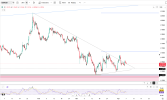
The Euro stabilized near $1.152 during quiet trading as the Iran conflict and high oil prices weighed on sentiment. Strong US labor data further dampened expectations for Federal Reserve rate cuts, keeping the currency range-bound against a resilient Dollar.

For EUR/USD, the initial resistance is seen at 1.1590, while the closest support is positioned at 1.1500.

Gold Pauses at $4,650​

gold-pauses-at-dollar4650-5964.png

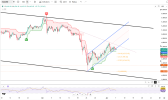
Gold stabilized near $4,650 as markets weighed escalating geopolitical threats. Prices paused their decline after President Trump warned of strikes on Iranian infrastructure unless his demands, including the reopening of the Strait of Hormuz, are met.

First resistance is seen at $4720, with initial support near $4580.

Yen Keeps Near 160 Lows​

yen-keeps-near-160-lows-5963.png

The Yen hovered near 160 per dollar, its weakest level since 2024. A dominant Dollar, surging energy costs from the Iran conflict, and the looming pressure of President Trump’s deadline continue to weigh heavily on the Japanese currency.

Technically, resistance stands near 159.90, while support is firm at 158.50.

Sterling Near Multi-Month Lows​

sterling-near-multi-month-lows-5962.png

The Pound held around $1.32 as geopolitical conflict and surging energy costs dampened risk appetite. Strong US labor data supported the Dollar, further reducing expectations for Federal Reserve easing and keeping Sterling pinned near its recent lows.

From a technical view, support stands near 1.3320, with resistance around 1.3170.

Silver Steadies Near $72.50​

silver-steadies-near-72-50-5961.png

Silver stabilized at $72.50 as markets weighed escalating geopolitical risks. Prices paused following President Trump’s ultimatum to Iran: meet specific demands, including reopening the Strait of Hormuz by Tuesday night, or face strikes on power plants and bridges.

From a technical view, resistance stands near $74.10 while support is located around $71.50.
 

Daily Market Analysis (04.08.2026)​


German 2-year government yields plunge to 2.49%, largest single-day decline since March 2023.

Traders are dialing back expectations on the ECB, now pricing in around 53bps of tightening for the year. This is a clear shift in rate sentiment and forward guidance outlook.

European gas prices tumble ~20% as US–Iran ceasefire eases supply fears and strips out war-driven risk premium from energy markets.


,Stay on track, more analysis to follow!
 

Ceasefire Rises Euro, Metals, and Risk Appetite (04.08.2026)


A temporary ceasefire in the Middle East eased immediate pressure on energy supply routes and reduced demand for defensive assets, leading the US dollar to soften. Price action signaled a shift away from defensive positioning toward a more confident risk environment, though sentiment remains closely tied to developments surrounding the ceasefire and the Strait of Hormuz

EUR/USD climbed toward 1.1670 as reduced safe-haven demand weakened the dollar, while the Japanese yen rallied past 158.5 per dollar, and British pound climbed from the low 1.32 area. The offshore yuan strengthened toward 6.82 per dollar, extending its fourth consecutive advance and reaching a multi-month high

Precious metals also rallied strongly, with gold surging above $4,800 and silver climbing past $76 per ounce. The move was driven by a conditional ceasefire agreement, which eased immediate market fears and encouraged investors to rotate away from defensive positions.

Brent crude fell more than 10% to near $95, marking a sharp correction as easing tensions followed the announcement of a two-week pause in military action.

Nasdaq 100 traded near 24,991, posting a small daily gain. Momentum has moderated after a strong longer-term run

Overall, sentiment improved significantly, though markets remain sensitive to further geopolitical developments.

Econonomic Calendar​

eco-calendar-8-april.jpg

More on zForex.com - Technical Outlook on Charts

Euro Trades Toward 1.1670
Gold Climbs Above $4,800
Yen Strengthens Past 158.5
Pound Rose Past 1.33
Silver Rallies to Three-Week High
 

Euro Hits Highs amid Risk Appetite (04.09.2026)


eco-calendar-9-april.jpg

Markets leaned toward a risk-on tone as easing geopolitical tensions and falling oil prices supported currencies and tempered inflation expectations.

Euro climbed to a multi-month high near $1.17 as investors scaled back expectations for aggressive ECB tightening, while sterling also strengthened toward recent highs. In contrast, the Japanese yen weakened under pressure from a firmer dollar and rising energy costs. The offshore yuan held firm above 6.83 per dollar, supported by China’s stable energy supply position and a steady domestic outlook, despite ongoing regional conflicts.

Precious metals showed mixed performance, with gold stabilizing near $4,700 as yields limited gains, while silver retreated toward $73.5 amid ongoing geopolitical uncertainty.

Brent crude climbed close to $97 per barrel, regaining part of its earlier losses as renewed military activity in the region raised fresh questions about the durability of the ceasefire. Reports of suspended tanker flows through Hormuz kept supply concerns visible, even as diplomatic channels remained active.

Nasdaq 100 rose to around 24,887, delivering a strong session gain of nearly 3%. While near-term movement has been relatively steady, the index continues to reflect solid yearly performance exceeding 35%.

Overall, sentiment improved, though markets remain sensitive to developments around the Middle East and energy markets.

Euro Hits Multi-Month High
Gold settled near $4,700
Yen Retreats Amid Stronger Dollar
Sterling Nears $1.34 Highs
Silver Softens Toward $73.5

More on zForex.com >> Technical Outlook on Charts
 

Stagflation signals are building in the US services sector.

stagflation.jpg

The ISM Services PMI fell 2.1 points to 54.0 in March, missing expectations of 54.9 and indicating a clear slowdown in activity.

Labor demand weakened sharply, with the employment index dropping 6.6 points to 45.2, the lowest level since December 2023 and firmly in contraction territory.

Cost pressures moved in the opposite direction. The prices paid index surged 7.7 points to 70.7, the highest reading since October 2022, as higher energy costs tied to the Iran conflict fed into business expenses.

The economy is now facing a difficult combination: rising prices alongside a softening labor market. That mix keeps inflation risks firmly in focus.
 

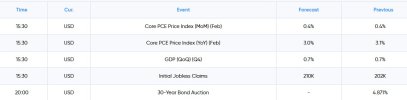
US PCE figures matched forecasts:

  • Core PCE: 0.4% (MoM) | 3.0% (YoY)
  • Headline PCE: 0.4% (MoM) | 2.8% (YoY)
  • Personal spending: 0.5% (a minor miss)
The numbers held no surprises. While inflation persists, there is no fresh shock to the system.
 

Dollar Softens and Metals Hold Gains (04.10.2026)

Markets moved sideways as investors balanced easing inflation pressures with ongoing geopolitical risks. The fragile US-Iran ceasefire briefly eased pressure before renewed strikes in Lebanon and disruptions in the Strait of Hormuz kept tensions high.

EUR/USD held below 1.17 as expectations for further ECB rate hikes increased, while sterling remained steady near recent highs with similar tightening outlooks. The Japanese yen hovered around 159, supported by lower oil prices but still pressured by economic concerns.

Precious metals maintained their upward momentum. Gold stayed above $4,700 per ounce, positioning for a third weekly advance in a row. Silver stayed over $75 per ounce, continuing its weekly climb.

Brent crude climbed above $96 as Israeli strikes in Lebanon and the continued closure of the Strait of Hormuz heightened tensions.

Nasdaq 100 climbed to 25,150, posting a daily gain of 0.72%. Near-term movement has been relatively measured, yet annual performance remains strong with growth exceeding 34%.

Overall, sentiment remained cautious, with attention shifting toward upcoming diplomatic talks and policy expectations.

Economic Calendar​

eco-calendar-10-april.jpg

Check more on zForex.com >>> Technical Outlook on Charts

  • Euro Holds Below 1.17​

  • Gold Sustains Gains Above $4,700
  • Yen Hovers Near 159
  • Sterling Steady Near $1.34
  • Silver Holds Above $75
 

Core Inflation Sticky, Growth Losing Momentum

core-inflation.png
Core PCE came in strong again, rising around 0.4% m/m for the third straight month. Annual core inflation is still hovering near 3%, well above the Fed’s target. The bigger issue is services inflation, especially ex-housing, which remains firm and shows little sign of easing.

On the growth side, things are starting to cool. Real personal spending missed expectations, and income data came in softer, pointing to a more cautious consumer. GDP was also revised lower, suggesting the economy isn’t as strong as previously thought.

Bottom line: inflation is still too sticky for the Fed to cut rates comfortably, while growth is slowly losing momentum. This keeps the Fed in a tight spot and supports the “higher for longer” narrative for now.