
GBP/JPY rises despite the Middle East conflict supporting safe-haven currency
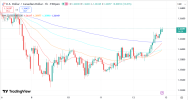
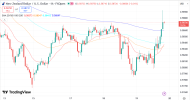
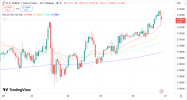
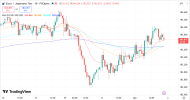
The GBP/JPY cross showed bullish sentiment during the trading session on Wednesday, March 11th. The price drew a long bullish candle with almost no shadow. The price formed a high of 213,301, a low of 211,928, and a close of 213,216.
The bullish sentiment in the GBP/JPY pair indicates a weaker JPY despite the Middle East conflict, supporting the JPY, which is considered a safe-haven currency. Rising oil prices due to geopolitical conflicts have increased global inflation. Japan, which relies heavily on energy imports, is being hurt by rising oil prices, which weaken the yen.
The Bank of Japan (BOJ) is expected to hold interest rates at around 0.75% at its March meeting, although a hike to around 1% by mid-2026 is possible. The expected very gradual tightening means the interest rate differential with the UK remains large, thus maintaining the yen's weakness. However, verbal intervention by the Japanese government, which remains wary of excessive currency volatility, has made market participants cautious about possible intervention.
In the UK, geopolitical conflicts driving up energy prices could keep inflation high, so the Bank of England (BoE) is expected to maintain high interest rates for longer. Some traders are even starting to predict a possible interest rate hike in late 2026 if inflation remains high. This supports the GBP's relative strength against the JPY.
UK GDP projections for 2026 are in the low range of around 1.0%. This projection limits GBP's strength.
Technically, the GBP/JPY daily range is estimated at 210.80-214.00. The nearest support is around 210.80; the next support is around 210.20. The nearest resistance is around 213.30, and the next resistance is around 214.00. This forecast could be wrong.