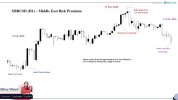
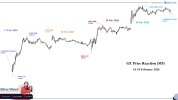
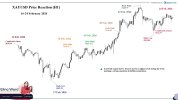
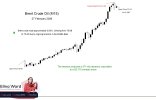
Weekly Rundown with PlexyTrade

Wednesday 11 February 2026​

Amazon Weekly Stock Move Explained: Earnings Miss, Heavy AI Spending, and Profitability Concerns​

Amazon (NASDAQ: AMZN) came under pressure following the release of its fourth-quarter 2025 results, as investor concerns about profitability and capital intensity overshadowed solid revenue growth. The reaction highlighted how sensitive markets remain to margin outlooks and spending commitments among mega-cap technology companies.

This article reviews how Amazon’s stock behaved following its earnings announcement and explains what drove the decline.

Amazon reported results after market close on February 5. While revenue beat expectations at $213.4 billion, up 13.6% year over year, earnings per share came in slightly below forecasts at $1.95 versus $1.96 expected. Although the earnings miss was marginal, investor focus shifted quickly to the company’s forward spending plans.

What Drove the Stock Lower​

The primary catalyst behind the selloff was Amazon’s announcement that it plans to invest more than $200 billion in capital expenditure in 2026, up sharply from $131 billion the previous year. The increased spending will be directed toward artificial intelligence infrastructure, data centres, custom chips, robotics, and low-earth-orbit satellite projects.

Markets reacted cautiously to the scale of the planned increase. While the investments are designed to strengthen Amazon’s position in cloud computing and AI services, they also imply near-term pressure on free cash flow and operating margins. Investors have become increasingly sensitive to spending intensity across the “Magnificent Seven,” especially where higher capital commitments are not immediately matched by profit expansion.

Shares fell sharply at the open on February 6, at one point trading roughly 9% lower, before moderating losses. The move reflected concerns that profitability could face headwinds in the coming quarters as Amazon ramps up infrastructure spending to support future growth.

Broader Context​

Amazon’s results marked the final major release among the large-cap technology group for the quarter. With these companies now accounting for more than a third of the S&P 500, their earnings have an outsized impact on overall market sentiment. While revenue growth remains strong across the sector, markets are increasingly scrutinising margin sustainability and capital discipline.

Takeaway​

Amazon’s post-earnings decline was not driven by revenue weakness, but by heightened concern over profitability and the scale of future investment. The company’s ambitious spending plans underscore its commitment to AI and infrastructure expansion, yet the market response suggests investors are demanding clearer visibility on returns before rewarding higher capital intensity.

The chart below shows Amazon’s movement between 2 and 6 February 2026 on a 30-minute timeframe.


Amazon Earnings.jpg
 

Thursday 12 february 2026​


Middle East Diplomatic Uncertainty Lifts Oil and Gold as Risk Premium Builds​

Geopolitical tensions in the Middle East reintroduced a measurable risk premium into global markets this week, supporting both crude oil and gold as investors reassessed regional stability. The advance reflected precautionary positioning rather than confirmed supply disruptions, with markets responding to uncertainty instead of immediate macroeconomic deterioration.

Oil: Risk Premium Emerges Early in the Week​

On Monday, 9 February, Brent crude (XBRUSD) began the week near $66.80, marking the session’s low before buyers stepped in. Early upside momentum developed as traders began repricing geopolitical exposure, pushing prices above the $67 level and signalling the start of a risk-driven move.

Although there were no verified interruptions to production or transport flows, oil markets often price potential risk ahead of tangible disruption. Sensitivity remains particularly high around the Strait of Hormuz, a strategic shipping corridor through which roughly one-fifth of global oil consumption flows.

As diplomatic uncertainty intensified mid-week, price action accelerated. On Wednesday, 11 February, Brent broke decisively higher in what appeared to be a risk-premium expansion phase, rallying toward a daily high of $70.16. The move represented an advance of roughly 5% from Monday’s low, underscoring the degree to which uncertainty alone can influence pricing.

The rally occurred without confirmed supply shock, reinforcing the view that the move reflected geopolitical repricing rather than structural disruption.


Diplomatic Backdrop: Talks Without Resolution​

The geopolitical backdrop intensified following a meeting in Washington between Israeli Prime Minister Benjamin Netanyahu and US President Donald Trump. Reports indicated that discussions concluded without a definitive agreement on strategy toward Iran.

While the United States signalled a preference for continued negotiations regarding Iran’s nuclear programme, it simultaneously maintained a significant military presence in the region. Officials suggested that additional naval deployments remain under consideration, keeping escalation risk firmly in focus.

Recent maritime encounters between US and Iranian forces added to regional sensitivity, though they did not result in material energy disruption.

For markets, the absence of a clear resolution created strategic ambiguity — a condition that often sustains a temporary risk premium in energy markets.


Thursday Consolidation: Premium Remains Elevated​

By Thursday, 12 February, oil prices pulled back modestly from the $70 area, recording a session low near $68.38. The retracement suggested that while immediate escalation fears had stabilised, the geopolitical premium had not fully unwound.

The controlled nature of the pullback indicated that traders were reassessing the probability of further developments rather than aggressively reversing positioning.


Gold: Defensive Allocation in Parallel​

Gold moved higher alongside oil during the same period, reflecting capital preservation flows and portfolio hedging rather than inflation repricing. In times of geopolitical strain, oil typically reflects potential supply risk, while gold benefits from defensive asset allocation and volatility hedging.

The parallel strength across both commodities reinforced the view that markets were pricing uncertainty rather than economic overheating.


Conclusion​

Between Monday, 9 February and Thursday, 12 February, Brent crude advanced from a low near $66.80 to a high of $70.16 before consolidating around the upper-$68 region. The move was driven not by confirmed disruption but by diplomatic uncertainty and elevated regional sensitivity.

For now, price action reflects a contained but elevated geopolitical premium. The durability of the move will depend on whether diplomatic engagement reduces perceived escalation risk or whether developments in the region reinforce the current uncertainty.

Markets are not pricing crisis — but they are pricing caution.

The chart below illustrates XBRUSD price action on a 1-hour candlestick timeframe between 9 February and 12 February 2026.

XBRUSD.jpg
 
Monday 16 February 2026

TMUS Stock Movement Explained: 9 February – 13 February 2026​

Introduction: What Drove the Week​

This report examines how T-Mobile US (TMUS) moved in the stock market between 9 February and 13 February 2026, and the key catalysts behind the price action.

T-Mobile is one of the largest U.S. wireless carriers, and its stock is highly sensitive to earnings performance, forward guidance, capital allocation strategy, and broader market positioning. During this week, the primary driver of movement was the company’s quarterly earnings release and investor reaction to both headline numbers and underlying metrics.


The Key Catalyst: Q4 2025 Earnings (Released After Market Close, 11 February)​

The central event of the week was T-Mobile’s Q4 2025 earnings report, released after market close on 11 February 2026.

EPS Breakdown​

  • Previous EPS (Q4 2024): $2.57
  • Forecast EPS (Q4 2025 consensus): ~$2.03 – $2.05
  • Actual EPS (Q4 2025 reported): $2.14
The reported earnings per share came in above market expectations, representing a modest earnings beat relative to consensus forecasts, though earnings declined year-over-year compared to the prior fourth quarter.

Revenue also exceeded expectations, reinforcing confidence in the company’s operational stability despite competitive pressures in the telecom sector.


Pre-Earnings Positioning (9–11 February, Regular Session)​

Price action during 9–10 February and the regular trading session on 11 February reflected positioning ahead of the release, not reaction to it.

Investors adjusted exposure in anticipation of the earnings report, leading to cautious movement and contained volatility. This buildup phase was characterized by expectation management rather than fundamental repricing.


Why the Reaction Was Not One-Directional​

The true earnings-driven repricing began in after-hours trading on 11 February and extended into the 12 February session.

Although the EPS beat provided support, investor reaction was more nuanced.

While headline numbers were solid, certain operational metrics — particularly postpaid phone subscriber additions — came in softer than expected. This created mixed sentiment, resulting in volatility rather than a sustained directional breakout.

In addition, broader market conditions during that week were influenced by sector rotation and macro positioning, meaning TMUS price movement reflected both company-specific news and wider equity flows.


Capital Allocation and Strategic Messaging​

Another supportive factor was management’s communication around capital allocation. T-Mobile reiterated confidence in its long-term growth outlook and highlighted plans to significantly increase share repurchases, signaling conviction in future cash flow generation.

Buyback expansion tends to support equity prices because it:

  • Reduces share count
  • Improves earnings per share over time
  • Signals financial strength
This messaging helped stabilize sentiment after the initial earnings digestion.


Price Behaviour Through the Week​

  • Early week (9–10 Feb): Investors positioned cautiously ahead of earnings.
  • Midweek (11 Feb, after close): Earnings were released, triggering volatility in after-hours trading.
  • 12 February: Full market repricing unfolded during the regular session.
  • Late week (13 Feb): Shares stabilized and showed relative strength compared to broader indices, as the earnings beat and buyback messaging outweighed softer subscriber data.
By the end of the week, TMUS demonstrated resilience, reflecting institutional confidence in long-term fundamentals rather than short-term noise.


Summary​

Between 9 February and 13 February 2026, TMUS stock movement was primarily driven by its Q4 earnings release and forward outlook.

The key factors were:

  • An EPS beat (Actual $2.14 vs Forecast ~$2.03–$2.05)
  • Revenue exceeding expectations
  • Mixed operational metrics
  • Strong capital allocation messaging
  • Broader equity market positioning
The movement was not driven by a single shock, but by investor recalibration following earnings and strategic guidance.

The chart below highlights T-Mobile’s price movement from 9 to 13 February using 30-minute candlestick data.

T-Mobile.jpg
 

Tuesday 17 February 2026​

BTC/USD Market Summary: 9 Feb – 16 Feb 2026​

In this post, we look at how Bitcoin (BTC/USD) moved between 9 February and 16 February 2026, and what broader market forces shaped that behaviour during the week.

BTC/USD tracks the value of one Bitcoin in US dollars. As the largest cryptocurrency by market capitalization, Bitcoin often sets the tone for the wider digital asset market. During this period, price action was driven not by a single headline, but by a sequence of liquidity shifts, ETF flow changes, macro catalysts, and defensive derivatives positioning.

At the start of the week, from 9 to 10 February, Bitcoin traded near the $70,000 level but struggled to break sustainably higher. Despite positive ETF inflows early in the week, upside momentum stalled near the $71,000 resistance zone. This suggested overhead supply and cautious positioning following the broader early-February market weakness.

Midweek, the tone shifted decisively. On 11 and 12 February, ETF flows flipped sharply negative, aligning with a deeper selloff toward the weekly low near $65,100. A crypto-native liquidity headline — reports that BlockFills temporarily halted deposits and withdrawals — added to market fragility. Sentiment deteriorated rapidly, with fear levels reaching extreme territory. This phase reflected deleveraging rather than orderly repositioning, and volatility expanded accordingly.

On 13 February, the macro catalyst arrived. U.S. CPI data came in cooler than feared, with headline inflation rising 0.2% month-over-month and 2.4% year-over-year. The data eased immediate macro pressure and triggered a sharp relief rally. Bitcoin rebounded toward the $69,000–$70,000 region, supported by short covering and stabilizing ETF flows.

From 14 to 15 February, price attempted to extend higher, briefly retesting the $70,500–$71,000 resistance area. However, follow-through buying was limited. The repeated rejection near this zone reinforced the broader defensive structure that had defined the post-crash environment.

By 16 February, with U.S. equity markets closed for Presidents Day, liquidity thinned and price action became choppy. Bitcoin closed the period near $68,900, reflecting stabilization rather than a confirmed directional breakout.

In short, Bitcoin’s movement between 9 and 16 February 2026 was characterized by a fragile rebound inside a defensive range. ETF flow reversals drove the midweek breakdown, a liquidity headline amplified volatility, and CPI acted as a short-term catalyst for relief. However, structural resistance near $70,000–$71,000 continued to cap upside attempts. The week illustrated how, in fragile regimes, catalysts can move price quickly — but broader market structure determines whether those moves persist.

The chart below displays BTC/USD price action (H1) from 9 February to 16 February.


BTCUSD.jpg
 
Wednesday 18 February 2026

Gold’s Sharp Reversal Explained: From War Premium to Diplomatic Repricing (11–17 February 2026)​

Gold’s Role as a Safe-Haven Asset​

Gold (XAU/USD) functions as a global store of value and a defensive hedge during periods of geopolitical instability, inflation uncertainty, and systemic risk. As a non-yielding asset, gold’s valuation is highly sensitive to real interest rates, U.S. dollar strength, and embedded geopolitical risk premium.

When escalation risk rises, capital typically rotates into gold as a protective allocation. Conversely, when diplomatic signals reduce the probability of conflict, that embedded war premium can unwind quickly and decisively.


The Price Move: From Escalation Premium to Weekly Low​

On 11 February 2026, gold opened at 5027.06 and rallied aggressively to a weekly high of 5119.23, reflecting elevated geopolitical tension surrounding U.S.–Iran negotiations and the high-profile meeting between U.S. President Donald Trump and Israeli Prime Minister Benjamin Netanyahu.

Momentum reversed sharply the following day.

On 12 February, gold declined to a daily low of 4878.46 as markets reacted to President Trump’s statement that no “definitive” agreement had been reached with Netanyahu, while confirming that diplomatic negotiations with Iran would continue.

Although price attempted a rebound on 13 February, reaching 5045.96, the recovery lacked sustained follow-through.

By 17 February 2026, after reports from Geneva indicated that Iran and the United States had reached broad “guiding principles” in nuclear talks, gold extended losses to a weekly low of 4842.53 before stabilizing to close at 4877.35.

From the 11 February peak at 5119.23 to the 17 February weekly low at 4842.53, gold declined approximately 5.41% at peak drawdown. The move represents a meaningful repricing for a traditionally defensive asset within a compressed time frame.


What Triggered the Reversal?​

1️⃣ Pre-Meeting War Premium Build-Up​

Ahead of the Trump–Netanyahu meeting, markets had increasingly priced in escalation risk:

  • U.S. military reinforcement in the Gulf
  • Explicit warnings of potential strikes on Iran
  • Iranian military exercises in the Strait of Hormuz
  • Intensified rhetoric from both Washington and Tehran
This backdrop supported a clear geopolitical risk premium, driving gold toward 5119.23.

2️⃣ Escalation Deferred, Diplomacy Preserved​

President Trump’s clarification that no decisive escalation had been agreed upon — combined with confirmation that negotiations with Iran would continue — altered near-term conflict expectations.

Markets interpreted the message as:

  • No immediate military action
  • Diplomatic channels remain active
  • Reduced short-term escalation probability
The repricing of geopolitical risk triggered the first leg lower.

3️⃣ Geneva Talks — Tangible Diplomatic Progress​

The second leg of the decline followed confirmation from Geneva that both sides had agreed on guiding principles for a potential nuclear framework.

This development signaled:

  • Lower probability of imminent conflict
  • Increased credibility of diplomatic resolution
  • Reduced urgency for defensive positioning
As escalation risk diminished, the war premium embedded earlier in the week was systematically unwound.


Institutional Takeaway​

The 11–17 February move reinforces a central dynamic in gold markets:

Gold appreciates when credible escalation risk rises and reprices lower when credible diplomatic progress reduces that risk.

The approximately 5.41% peak-to-trough decline reflects a tactical removal of geopolitical premium rather than a structural weakening of gold’s long-term safe-haven role.

For market participants, the broader principle is clear:

When gold embeds war-risk premium, even incremental shifts toward diplomacy can trigger rapid and technically amplified repricing.

Gold remains structurally defensive — but tactically sensitive to changes in geopolitical probability and macro positioning dynamics.

The 1-hour chart below captures XAU/USD price dynamics between 11 and 17 February 2026.

XAUUSD PRICE REACTION.jpg
 

Thursday 19 February 2026​


The Geopolitical Premium Behind Oil: Brent Crude Moves Between 17–19 February 2026​

Introduction: How Diplomacy and Military Signaling Shape Oil Markets​

Oil markets respond not only to physical supply changes but to shifting probabilities. When diplomatic progress lowers the perceived likelihood of conflict, prices can fall quickly. When uncertainty re-emerges — especially alongside visible military positioning — prices can reverse just as sharply. This adjustment is known as the geopolitical risk premium.

Between 17 and 19 February 2026, Brent crude offered a clear case study of how diplomacy initially compressed risk pricing before renewed escalation concerns expanded it again.


What This Article Covers​

This report examines how geopolitics shaped Brent crude movements between 17 and 19 February 2026, focusing on:

  • The resumption of U.S.–Iran indirect nuclear negotiations in Geneva
  • Iran’s announcement that “guiding principles” had been agreed upon
  • The initial compression of geopolitical risk pricing
  • Iran–China–Russia joint naval exercises near the Strait of Hormuz
  • The U.S. deployment of the USS Gerald R. Ford carrier strike group
  • Tightening Brent futures structure reinforcing the breakout
Together, these factors explain both the initial decline and the subsequent +7.14% rally.


Diplomatic Progress and Risk Compression — 17 February 2026​

On 17 February, indirect U.S.–Iran negotiations resumed in Geneva. Iranian officials announced that both sides had agreed on a set of “guiding principles,” signaling constructive progress in discussions.

Markets interpreted this as a reduction in immediate conflict probability.

Brent declined from an intraday high of 68.43 to a low of 66.26, marking a -3.17% move during the session. The drop reflected compression of the geopolitical risk premium as traders adjusted expectations toward a lower likelihood of near-term military confrontation.

This move was driven primarily by diplomatic signaling rather than inventory data or production changes.

At the same time, regional military dynamics remained active. Iran conducted joint naval exercises with China and Russia under the “Maritime Security Belt 2026” framework in waters linked to the Strait of Hormuz — a corridor responsible for roughly one-fifth of global oil transit. While the drills were not directly tied to the negotiations, their timing reinforced awareness of strategic alignment and maritime sensitivity in the region.


Escalation Probability Repriced — 18–19 February 2026​

Although negotiations continued, no final agreement had been reached. Simultaneously, reports indicated that U.S. military strike options were operationally prepared.

The United States reinforced its regional posture, including deployment of the USS Gerald R. Ford carrier strike group toward the Middle East alongside other naval assets already positioned in the broader area. The presence of advanced carrier groups signaled readiness for contingency scenarios, even as diplomacy remained ongoing.

The coexistence of diplomatic engagement and visible military preparation reintroduced uncertainty.

Markets began repricing escalation probability.

Brent reversed sharply from 66.26 and advanced to 70.99, marking a +7.14% move across the 17–19 February period. The rally reflected expansion of the geopolitical risk premium as traders hedged against potential disruption.

The risk focus extended beyond Iranian exports themselves. The Strait of Hormuz remained central to calculations; any instability affecting transit routes would have global supply implications.

Importantly, market structure supported the advance. The ICE Brent futures curve tightened, indicating stronger near-term demand relative to forward contracts. Reports also suggested reluctance among some buyers to transact in sanctioned barrels, effectively tightening available supply. This structural firmness amplified the geopolitical catalyst.


Summary​

From 17 to 19 February 2026, Brent crude underwent a rapid geopolitical adjustment.

Diplomatic progress announcements initially compressed the risk premium, producing a -3.17% decline. However, continued uncertainty — combined with Iran–China–Russia naval exercises and visible U.S. carrier deployment including the USS Gerald R. Ford — sustained escalation sensitivity in energy markets.

As military readiness remained evident and negotiations continued without a definitive resolution, escalation probability was repriced. Brent advanced from 66.26 to 70.99 — a +7.14% move within the same window.

This episode reinforces a structural lesson in energy markets: diplomacy can quickly reduce risk pricing, but sustained uncertainty — particularly when paired with visible military posture and supportive market structure — can expand that premium just as forcefully.

Market Note:
As we head toward the weekend, attention remains focused on developments in the Middle East. Any diplomatic breakthrough or escalation during non-trading hours could influence oil and broader commodity prices when markets reopen, potentially leading to increased volatility at the start of the next session.

The chart above illustrates Brent Crude (H1) price action from 17–19 February 2026, highlighting the transition from diplomatic optimism to escalation-driven repricing.

XBRUSD.jpg
 
Monday 23 February 2026

GE Shares Rise Over 8% as Airline Engine Selections and Analyst Support Drive Stepwise Advance​

General Electric (NYSE: GE) is a U.S.-based industrial company founded in 1892, originally built around Thomas Edison’s early electricity businesses. Over more than a century, GE evolved into a global conglomerate before undergoing a major transformation in recent years. Following the spin-offs of GE HealthCare and GE Vernova, the company operated primarily as GE Aerospace, focused on commercial jet engines, military propulsion systems, and long-term aviation services. As a result, GE stock increasingly reflected aerospace and defense fundamentals, rather than the risks of a diversified industrial group.

General Electric shares advanced strongly during the shortened trading week following Presidents’ Day, with the rally unfolding in stages as investors reacted to major commercial engine selections and supportive Wall Street coverage.

With U.S. markets closed on Monday, February 16, the first opportunity for price discovery came on Tuesday, February 17. GE opened that session at $316.02, marking the starting point for the week’s move.

By Friday, February 20, the stock reached an intraday high of $344.00 before closing at $342.12, representing an 8.26% gain from Tuesday’s open to Friday’s close, and an 8.85% advance from the open to the intraday high.

Measured from the week’s early low of $314.09 to Friday’s peak, the full swing amounted to approximately 9.52%.


United Airlines Order Sets the Initial Direction​

The move followed an announcement made on Monday, February 16, when GE Aerospace said United Airlines had selected 300 GEnx engines to power new Boeing 787 Dreamliners, along with spare engines.

Because markets were closed for the holiday, investors responded when trading resumed on February 17. Shares dipped briefly to $314.09 before reversing sharply and pushing toward a daily high near $330.30, establishing the first upward impulse of the week.

Large engine selections typically carry long-term implications beyond initial equipment delivery. Engine placements expand the installed base, which in turn supports decades of maintenance, repair, and overhaul revenue. That recurring service model is central to GE Aerospace’s earnings durability.


Midweek Consolidation and Breakout​

After the initial surge, GE entered a consolidation phase on February 18 and early February 19. The stock pulled back toward a February 19 low of $323.19, representing a controlled retracement rather than a structural reversal.

From that level, shares resumed their advance. On February 19, GE climbed to a daily high of $335.64, confirming renewed buying interest and marking the start of the second upward leg.

The breakout from $323.19 to $335.64 represented a 3.85% expansion within a single session, reinforcing the impression of steady institutional accumulation.


Narrowbody Reinforcement and Analyst Endorsement​

On February 19, GE Aerospace and CFM International announced that American Airlines’ future Airbus A321neo deliveries would continue to be powered by CFM LEAP-1A engines. CFM is a joint venture between GE and Safran, making the selection directly relevant to GE’s narrowbody franchise.

Narrowbody aircraft represent the largest volume segment of commercial aviation. Engine placements in that category strengthen the installed base that drives long-term service revenue.

The week’s momentum was further reinforced on February 20, when Morgan Stanley initiated coverage with an Overweight rating and a $425 price target, according to public reports.

Shares accelerated into Friday’s session, reaching $344.00 before settling at $342.12.


A Structured Advance, Not a Single Spike​

The price action across the week reflected a structured progression:

  • Initial repricing following the United widebody engine selection
  • Controlled consolidation and absorption
  • Breakout on confirmation of additional narrowbody engine demand
  • Follow-through supported by analyst validation
Rather than a one-day surge, the move developed through successive upward steps. The pattern suggested sustained buying pressure rather than short-term speculative volatility.


Conclusion​

Between February 17 and February 20, GE shares advanced more than 8%, reaching new multi-session highs as the market reassessed the company’s aviation outlook.

Engine selections from major airlines strengthened confidence in installed base expansion and long-duration service revenue, while institutional research coverage reinforced the structural investment case.

The week’s advance unfolded progressively — from $316.02 at the open on February 17 to $344.00 at Friday’s peak — underscoring how successive demand signals can translate into measured but meaningful equity repricing.


The chart below reflects General Electric’s 5-minute price action from 16–21 February, capturing the intraday structure of the week’s advance.

GE Chart.jpg
 
Tuesday 24 February 2026

Bitcoin Retreats After $70,000 Rejection as Trade Tensions and Positioning Reset Drive Decline (16–23 February 2026)​

Bitcoin declined sharply between 16 February and 23 February 2026, reversing an early attempt to reclaim the $70,000 level before accelerating lower at the start of the new trading week. The move reflected a combination of structural breakout failure and renewed macro pressure after President Donald Trump raised the global tariff rate from 10% to 15%, reigniting trade-war concerns.

Based on the H1 chart, BTCUSD opened on 16 February at $68,833.09 and closed on 23 February at $64,581.37, marking a decline of approximately 6.2% across the period. The intraperiod low reached $63,869.67, representing a drawdown of roughly 7.2% from the week’s peak at $70,108.19.

The sequence unfolded in stages — first a failed breakout, then gradual erosion of support, and finally a macro-accelerated downside expansion.


Breakout Failure at $70,000 Marked the Structural Turning Point​

The initial inflection occurred on 17 February, when Bitcoin rallied to $70,108.19 before reversing sharply to $66,602.27 within the same session.

The $70,000 level carried psychological and structural importance. Major round numbers often act as conviction tests. When breakouts above such levels fail to hold, upside momentum weakens rapidly as short-term traders reduce exposure.

The rejection suggested demand was insufficient to sustain continuation. Importantly, this reversal occurred before the major tariff headlines — indicating that structural vulnerability was already present.

From that point onward, price behavior shifted from expansion to cautious repricing.


Gradual Weakness Reflected Position Reduction​

Following the failed breakout, Bitcoin printed progressively lower intraday lows:

  • $65,850.87 on 18 February
  • $65,613.33 on 19 February
  • $66,409.91 on 20 February
The decline was orderly rather than disorderly. There was no immediate panic selling. Instead, rebounds lacked follow-through, and upside attempts stalled more quickly each session.

This type of price structure is typically associated with gradual position trimming rather than forced liquidation. Liquidity-sensitive assets such as Bitcoin often weaken in this manner when conviction fades but systemic stress is absent.

By late week, the market was technically fragile — even before macro headlines intensified.


Tariff Escalation Shifted the Macro Backdrop​

Over the weekend, the macro environment changed materially.

President Trump announced that the temporary global tariff rate would be increased from 10% to 15%, following a Supreme Court ruling related to aspects of his emergency tariff program. The policy shift renewed trade-war uncertainty across global markets.

Bitcoin reacted immediately in 24/7 trading, dipping sharply before briefly stabilizing. As broader markets prepared to reopen, the cryptocurrency moved lower alongside other risk-sensitive assets.

Trade escalation typically triggers:

  • Risk-off positioning
  • Strength in defensive assets
  • Pressure on growth and liquidity-sensitive instruments
Bitcoin, which has increasingly behaved as a macro-sensitive asset during policy shocks, reflected that shift.

The tariff development did not cause the initial $70,000 rejection — but it materially altered the risk environment going into Monday.


Monday Acceleration Confirmed Risk-Off Expansion​

The decisive move occurred on 23 February.

Bitcoin fell sharply to $63,869.67 before closing at $64,581.37, marking the largest directional expansion of the period.

The speed and magnitude of the decline suggest a positioning unwind once support levels failed in a macro-risk environment. Weekend volatility had already reflected tariff-related sensitivity. When traditional markets reopened under renewed trade uncertainty, Bitcoin extended losses in tandem with broader risk repricing.

The move was consistent with:

  • Technical vulnerability from the earlier failed breakout
  • Reduced upside positioning midweek
  • A macro shock that accelerated existing weakness
The final leg lower therefore appears less like an isolated crypto event and more like a macro-correlated risk adjustment.


Takeaway​

Over the course of the week, Bitcoin’s decline unfolded less like a sudden shock and more like a narrative gradually turning against itself. The attempt to reclaim $70,000 initially suggested renewed bullish momentum, but the failure to hold above that level exposed underlying fragility. As the days progressed, each rebound grew weaker, and confidence slowly faded. What began as a stalled breakout evolved into a steady loss of conviction.

By the time global trade tensions intensified with the announcement of higher tariffs, the market was already vulnerable. The macro backdrop did not create the weakness — it amplified it. When support finally gave way, the decline accelerated, reflecting how quickly liquidity-sensitive assets can respond when structural exhaustion meets external uncertainty.

In the end, the move was not driven by a single headline, but by the convergence of fading momentum and a deteriorating risk environment — a reminder that in Bitcoin, technical structure and macro developments often move together.

The chart below presents BTCUSD’s price movement between 16 and 23 February on the 1-hour candlestick timeframe, highlighting the shift in momentum over the period.


BTCUSD Price Reaction.jpg
 

Wednesday 25 February 2026​

Gold Weekly Move Explained: Geopolitical Escalation, Fed Ambiguity, and Institutional Demand Support​

XAUUSD | 16–24 February 2026

Opening Section​

Gold (XAUUSD) once again demonstrated its defensive characteristics during the period from 16 to 24 February 2026. As a macro-sensitive asset, gold reflects shifts in geopolitical risk, monetary expectations, and institutional capital allocation rather than isolated technical signals.

This period captured a transition from early-week weakness to a structured recovery that ultimately produced a significant upside expansion. The move was not random volatility — it was layered, reactive, and macro-driven.

Between its weekly low and period high, gold advanced 8.41%, reinforcing its role as a strategic hedge amid geopolitical and policy uncertainty.


Price Action Overview​

Gold began the week trading near 5,035.34 on 16 February before selling pressure intensified on 17 February. The metal fell sharply to a weekly low of 4,842.53, briefly breaking below the psychological $5,000 threshold.

However, the breakdown failed to extend.

By 18 February, gold had rebounded to 5,010.78, signaling stabilization. The recovery continued on 19 February, printing a daily high of 5,022.18, followed by a stronger breakout on 20 February toward 5,106.99.

Momentum accelerated into 23 February, where gold reached a period high of 5,249.77.

From the weekly low of 4,842.53 to the high of 5,249.77, gold gained 8.41%.

Following the peak, price retraced in a controlled manner, dipping to 5,094.06 before stabilizing and closing near 5,143.77 on 24 February.

The structure of the move unfolded in clear stages:

flush → stabilization → breakout → acceleration → orderly pullback.


What Drove Gold’s Weekly Move​

1. Escalating U.S.–Iran Geopolitical Tension​

The primary macro catalyst during the week was renewed uncertainty surrounding U.S.–Iran nuclear negotiations.

Diplomatic talks resumed mid-week, but increasingly firm rhetoric from U.S. officials raised concerns over potential escalation. Military positioning in the Middle East added to market unease, particularly given the strategic importance of the Strait of Hormuz.

Safe-haven flows intensified as geopolitical risk perception increased. The breakout above 5,100 on 20 February aligned closely with the period of heightened headline sensitivity.

Gold’s response was strong but measured, indicating portfolio reallocation rather than panic buying.


2. Federal Reserve Policy Ambiguity​

Macroeconomic signals reinforced the move.

Cooling inflation data reduced real yield pressure, weakening the U.S. dollar and improving conditions for gold. Lower real yields reduce the opportunity cost of holding non-yielding assets.

However, Federal Reserve communications introduced caution regarding the persistence of inflation. The absence of a clear and immediate rate-cut signal created macro ambiguity.

This mixed environment supported gold structurally while preventing disorderly upside acceleration.


3. Trade and Tariff Uncertainty​

Late in the period, renewed tariff discussions introduced additional macro risk.

Trade policy uncertainty typically supports defensive positioning. While not the primary driver of the rally, it reinforced gold’s floor above $5,000 and contributed to sustained elevated pricing near 5,200.


4. Institutional Demand Structure​

Underlying the rally was continued structural demand.

Central bank diversification and institutional allocation flows supported the rebound from 4,842.53. Although elevated prices softened some consumer demand, investment participation remained firm.

This explains why the early-week breakdown failed to evolve into a sustained bearish move.


Why Gold Behaved the Way It Did​

Gold’s behavior during this period reflects institutional repositioning rather than speculative excess.

The sharp drop to 4,842.53 was absorbed quickly. Selling momentum failed to extend, indicating underlying demand.

As geopolitical and macro layers stacked mid-week, the breakout above 5,100 confirmed renewed allocation strength. The expansion to 5,249.77 represented momentum participation.

Importantly, the subsequent pullback to 5,094.06 was orderly. There was no disorderly liquidation or volatility spike. The market consolidated near 5,143.77 after an 8.41% advance — a natural stabilization phase after rapid upside expansion.

The move reflects structural resilience rather than temporary volatility.


Takeaway​

Between 16 and 24 February 2026, gold transitioned from early-week weakness to decisive recovery, advancing 8.41% from its weekly low of 4,842.53 to a period high of 5,249.77.

The rally was driven by escalating U.S.–Iran geopolitical tension, Federal Reserve policy ambiguity, trade uncertainty, and continued institutional demand support.

The successful reclamation and defense of the $5,000 level confirmed structural confidence in gold’s defensive role. The controlled pullback after the high suggested digestion rather than exhaustion.

The period ultimately demonstrated gold’s sensitivity to layered macro forces — and its continued position as a strategic hedge amid global uncertainty.


Market Note – Weekend Risk Watch​

As markets head into Friday’s close, attention should remain firmly on developments in the Middle East.

Recent geopolitical tensions have already influenced safe-haven positioning across gold and other macro-sensitive assets. With diplomatic discussions ongoing and military rhetoric elevated, any headline over the weekend could influence sentiment when markets reopen.

Because geopolitical events can unfold outside trading hours, weekend developments may increase the probability of opening gaps or volatility at the start of next week.

Market participants may therefore want to remain attentive to confirmed updates before liquidity returns on Monday.


The chart below illustrates the weekly price movement of XAUUSD on the 1-hour timeframe between 16 and 24 February 2026.

XAUUSD.jpg
 
Thursday 26 February 2026

Brent Crude Weekly Move Explained: Military Escalation, Hormuz Risk, Diplomatic Repricing

Brent Crude | February 16 – February 25, 2026


1. Opening Section​

Brent crude serves as the primary global benchmark for seaborne oil pricing, anchoring physical contracts across Europe, Asia, and the Middle East. As a macro-sensitive commodity, Brent reflects shifts in geopolitical stability, supply-chain vulnerability, producer behavior, and global demand expectations. Unlike many financial assets, geopolitical risk in oil markets is priced directly into spot and front-month contracts due to the physical immediacy of supply constraints.

During the period from February 16 to February 25, 2026, Brent functioned as a live barometer of geopolitical risk premium expansion. Escalating military deployments in the Gulf region, renewed U.S.–Iran nuclear tensions, and a temporary Strait of Hormuz closure triggered repricing of supply disruption probability.

From a weekly low of $66.26 (February 17) to a period high of $71.96 (February 23), Brent advanced approximately 8.6%, before consolidating and closing at $70.79. The move represented a structurally significant expansion driven primarily by risk repricing rather than physical shortage.


2. Price Action Overview​

The week opened under reduced liquidity conditions due to the February 16 Presidents’ Day holiday in the United States. Early price action was muted, with Brent stabilizing before dipping to the weekly low of $66.26 on February 17.

From that low, momentum shifted decisively. On February 18, Brent printed a daily high of $70.10, marking the beginning of a sharp expansion phase. The following session extended gains, with February 19 reaching $71.54, signaling acceleration in risk premium pricing.

Escalation rhetoric intensified on February 20, and Brent recorded a new high of $71.84, reflecting sustained bid pressure. The move culminated on February 23 with a period high of $71.96, completing an 8.6% advance from the February 17 low.

A measured pullback followed. On February 24, Brent registered a daily low of $70.45, followed by $70.19 on February 25, indicating profit-taking and consolidation rather than disorderly liquidation. The period closed at $70.79, maintaining the majority of gains despite diplomatic headlines suggesting renewed talks.

Structurally, the sequence unfolded as:

Flush → Acceleration → Expansion High → Orderly Pullback → Stabilization

The absence of aggressive downside follow-through indicated continued absorption of selling pressure at elevated levels.


3. What Drove the Weekly Move​

A. Military Escalation and Asset Deployment​

The deployment of significant U.S. military assets to the Middle East materially altered the market’s risk assessment. The USS Abraham Lincoln remained positioned in the Arabian Sea, while the USS Gerald R. Ford carrier strike group deployed to the region. Additional deployments included F-35s, F-22s, F-15s, F-16s, B-2 bombers at Diego Garcia, more than 85 refueling tankers, and approximately 170 cargo aircraft.

Such scale represented one of the largest regional buildups in decades. Oil markets interpreted the deployment as a credible escalation signal, increasing the probability assigned to supply disruption scenarios.

Given that approximately 20 million barrels per day transit the Strait of Hormuz—representing roughly 20% of global supply and 25–30% of seaborne oil—the presence of concentrated military assets directly impacts price formation. The expansion from $66.26 to $71.96 reflected this repricing dynamic.


B. Strait of Hormuz Disruption Risk​

On February 19–20, Iran temporarily closed the Strait of Hormuz for naval exercises. While the closure was limited and short-lived, it demonstrated operational capability to interfere with global energy transit.

Oil markets price not only realized supply loss but also disruption probability multiplied by volume at risk. With roughly 70% of OPEC+ spare capacity concentrated in the Gulf region, even partial interference carries systemic implications.

The temporary closure reinforced the legitimacy of the threat, sustaining elevated pricing even after diplomatic engagement resumed.


C. Diplomatic Uncertainty and Ultimatum Timeline​

On February 20, President Trump issued a 10–15 day ultimatum regarding nuclear negotiations, introducing a defined timeline into market expectations. The binary nature of the deadline—resolution or escalation—prevented full unwinding of the risk premium.

When renewed talks were announced on February 23, Brent did not collapse but instead stabilized. The limited pullback to $70.45–$70.19 indicated probability reassignment rather than full de-escalation pricing.

The persistence of price above $70 despite projected global oil surplus of 3.8–3.9 million barrels per day for 2026 underscored the dominance of tail-risk pricing over forward surplus estimates.


4. Why Brent Behaved the Way It Did​

The structure of the move suggests institutional repositioning rather than speculative excess.

First, the rally unfolded progressively across multiple sessions, with higher highs on February 18, 19, 20, and 23. This stair-step progression reflects sustained accumulation rather than single-session spike behavior.

Second, the pullback phase was orderly. The February 24–25 lows remained well above the February 17 trough, confirming that the market absorbed profit-taking without structural breakdown.

Third, the futures curve remained consistent with near-term tightness perception but not sustained deficit expectations, aligning with surplus projections for 2026. This indicates that the move was primarily geopolitical risk premium injection rather than structural supply rebalancing.

The market effectively recalibrated equilibrium pricing to reflect embedded disruption risk, then consolidated at that higher level as uncertainty persisted.


5. Takeaway​

Between February 16 and February 25, 2026, Brent crude advanced from $66.26 to $71.96, a gain of approximately 8.6%, before closing at $70.79. The move unfolded in three phases: initial stabilization in low liquidity conditions, accelerated risk premium expansion amid military escalation and Strait of Hormuz disruption signals, and orderly consolidation as diplomatic channels reopened.

Despite projected global surplus conditions, Brent maintained the majority of its gains. The episode demonstrates that geopolitical risk premium in energy markets can temporarily dominate fundamental balance when high-volume chokepoints are implicated. The ability of Brent to stabilize above $70 after an 8.6% expansion underscores the structural influence of tail-risk repricing during concentrated geopolitical stress.


6. Market Note – Weekend Geopolitical Watch​

As markets approach the weekly close, attention remains elevated on developments in the Middle East, particularly surrounding ongoing U.S.–Iran negotiations and regional military positioning. With energy markets highly sensitive to shifts in diplomatic tone or security conditions around key transit routes such as the Strait of Hormuz, headline risk remains a dominant short-term driver.

Weekend developments can introduce gap risk at the next market open, as geopolitical announcements often occur outside regular trading hours. In periods of heightened regional tension, changes in negotiation status, military posture, or maritime activity can alter risk assumptions rapidly.

Market participants should remain aware that energy pricing, broader commodity markets, and risk sentiment may respond quickly to any material updates released before trading resumes.


The chart below highlights Brent crude oil’s price movement and percentage change between 16 and 25 February.

XBRUSD.jpg
 

Friday 27 February 2026

Brent Crude Oil (M15) Climbs 3.83% on Geopolitical Tensions​


Brent crude oil advanced from 70.69 to a session peak of 73.40 on 27 February 2026 (M15 timeframe), marking a 3.83% gain. The move represented a 271-tick rise during the session.


The rally developed progressively rather than through a single explosive candle. Early stabilization above the 70.69 open was followed by a steady sequence of higher highs and higher lows, reflecting controlled upside momentum throughout the trading day.


The primary catalyst behind the advance was escalating geopolitical tension in the Middle East. Reports that the U.S. State Department began evacuating non-emergency personnel and their families from the U.S. Embassy in Israel signaled heightened regional risk. The embassy remains operational, but the precautionary measure increased market sensitivity to potential military escalation involving Iran.


The development followed military briefings to President Trump regarding possible action against Iran. Iranian officials, in response, warned that any U.S. action could trigger a broader regional confrontation. Even without confirmed production or supply disruptions, rising uncertainty typically increases the geopolitical risk premium embedded in crude oil pricing.


Energy markets reacted swiftly. The Middle East plays a central role in global oil production and shipping routes, making crude particularly sensitive to diplomatic and military developments in the region.


Price Structure and Flow​


Momentum accelerated during the latter half of the session, with Brent pushing toward 73.40 before modest intraday consolidation. The structure of the move suggested steady accumulation rather than panic-driven volatility. There were no disorderly spikes — only sustained buying pressure into higher levels.


As the week concludes, focus shifts to potential geopolitical developments over the weekend. In periods of elevated tension, energy markets remain exposed to headline risk that may influence positioning at the next weekly open.


XBRUSD NEW.jpg
 
Last edited:

Tuesday 3 March 2026​


Bitcoin Reclaims $70,000 After Early-Week Flush as Structural Repair Overrides Geopolitical Shock​

(23 February – 2 March 2026)

Bitcoin experienced a volatile but ultimately constructive trading window between 23 February and 2 March 2026. The period began with a sharp downside extension before transitioning into stabilization and ultimately a late-week breakout above the $70,000 psychological threshold. The move unfolded amid renewed global tariff uncertainty and escalating geopolitical tensions following US–Israeli airstrikes targeting Tehran.

Based on the H1 chart used for this report, BTCUSD opened on 23 February at $67,593.80 and closed on 2 March at $69,396.90, marking a net gain of approximately 2.67% over the period. However, the weekly performance concealed substantial internal volatility. The intraperiod low reached $62,507.73 on 24 February — a drawdown of roughly 7.52% from the open. The period high printed at $70,077.80 on 2 March, producing a total low-to-high range of approximately 11.8%.

The sequence unfolded in three stages: early defensive positioning, midweek absorption, and late-period structural expansion.


Early Breakdown Below $63,000 Reflected Risk Reduction​

The first decisive move occurred immediately after the weekly open. Bitcoin declined from $67,593.80 and printed a low of $63,869.67 on 23 February, with selling extending to $62,507.73 on 24 February.

The $64,000–$62,500 zone functioned as a short-term liquidity pocket. Once breached, downside momentum accelerated briefly, reflecting defensive positioning as markets digested macro policy uncertainty and rising geopolitical stress.

Importantly, the decline did not develop into disorderly liquidation. Follow-through selling stalled near $62,500, suggesting that the move represented a positioning reset rather than systemic structural deterioration.


Geopolitical Escalation Increased Volatility​

Following US–Israeli airstrikes in Tehran, blockchain analytics firm Elliptic reported that crypto outflows from Iran’s largest exchange surged by more than 700% within minutes of the strikes. Outflows reportedly reached nearly $3 million within a single hour, with funds transferred to foreign exchanges.

While the percentage spike was significant, the absolute value of flows remained modest relative to global Bitcoin liquidity. Subsequent internet blackouts inside Iran sharply reduced transaction activity, limiting sustained outflows. TRM Labs noted that overall transaction volume declined following the connectivity disruption.

The episode underscored crypto’s role in cross-border capital mobility during geopolitical stress. However, the scale of flows was not sufficient to independently dictate global BTCUSD direction. The event functioned primarily as a volatility amplifier rather than a structural price driver.


Midweek Stabilization Signaled Absorption​

On 25 February, Bitcoin rebounded sharply, reaching a high of $69,970.14, retracing nearly the entire early-week decline.

The rally stalled just below the $70,000 psychological barrier — a level that frequently acts as a conviction threshold. Subsequent sessions produced controlled pullbacks:

  • 26 February Low: $66,485.94
  • 27 February Low: $65,100.96
  • 28 February Low: $63,011.28
Although lower intraday lows developed into 28 February, downside continuation failed to materialize. Markets experiencing genuine structural weakness typically accelerate after breaking prior lows. In this case, momentum gradually compressed instead, indicating that supply was being absorbed.


Late-Week Expansion Reclaimed $70,000​

Momentum shifted decisively into 1–2 March.

On 1 March, Bitcoin traded between $65,037.25 and $68,181.71, signaling renewed upside participation. On 2 March, price accelerated to $70,077.80 before settling at $69,396.90.

The reclaiming of $70,000 marked a meaningful structural repair. Major round numbers in Bitcoin often serve as liquidity magnets and sentiment gauges. Reestablishing trade above that level following multiple support tests indicated improving positioning dynamics.

The breakout appeared driven by:

  • Short covering after repeated failed breakdown attempts
  • Stabilization in broader macro risk sentiment
  • Technical momentum expansion above resistance
Notably, the rally unfolded after geopolitical volatility had already been absorbed, reinforcing that the move was structural rather than shock-driven.


Takeaway​

Between 23 February and 2 March 2026, Bitcoin’s movement reflected the interaction between structural positioning and external uncertainty.

The early drop to $62,507.73 aligned with macro-sensitive risk reduction amid tariff uncertainty and geopolitical escalation. The reported spike in Iranian crypto outflows illustrated how geopolitical events can temporarily increase blockchain activity and amplify volatility. However, those flows were not of sufficient magnitude to determine global BTCUSD direction.

The decisive factor was the market’s inability to sustain trade below the $62,500 region. Once downside momentum stalled, positioning recalibrated, paving the way for recovery and eventual reclamation of $70,000.

The period demonstrates a recurring dynamic in Bitcoin markets: geopolitical and macro developments influence volatility, but structural liquidity dynamics determine durability. In this case, support held, volatility compressed, and the market transitioned from fragility to repair within a single weekly window.

The H1 chart for 23 February – 2 March 2026 captures this progression clearly — from early breakdown stress to consolidation and ultimately structural reclamation above a key psychological threshold.

BTCUSD.jpg
 

Tuesday 3 March 2026​


Brent Surges 14.39% as Strait of Hormuz Closure and Regional Escalation Trigger Supply Shock​


(27 February – 3 March 2026)


Brent crude oil rallied sharply between 27 February and 3 March 2026, climbing from $72.33 to $82.74, a $10.41 per barrel increase (+14.39%) in just four trading days.


What began as geopolitical escalation rapidly evolved into tangible supply chain disruption across multiple energy nodes in the Middle East, prompting markets to shift from pricing risk to pricing operational constraint.


The accompanying chart illustrates the breakout above the $73–$74 resistance zone and the subsequent momentum expansion that followed.


Escalation Moves Beyond Airstrikes​


Tensions intensified following coordinated US–Israeli airstrikes targeting sites in and around Tehran. In retaliation, Iran launched missile and drone strikes across Gulf states hosting U.S. military facilities, expanding the confrontation beyond bilateral exchanges.


The situation escalated materially on 2 March when an IRGC commander publicly declared the Strait of Hormuz closed, warning vessels against transit. Shipping activity through the waterway reportedly slowed to a near-standstill, with thousands of vessels — including crude tankers and LNG carriers — either trapped inside the Gulf or waiting offshore.


Approximately 20%–30% of global crude oil flows transit through the Strait of Hormuz, making it one of the most strategically critical maritime chokepoints in the world. Even credible disruption risk at this scale carries immediate global pricing consequences.


Energy Infrastructure Disruptions​


Simultaneously, multiple energy facilities across the region were affected:


  • Qatar halted LNG production, representing roughly 20% of global liquefied natural gas supply, with force majeure declarations anticipated.
  • Saudi Arabia’s Ras Tanura refinery (550,000 bpd capacity) suspended units following a drone incident. While described as precautionary and under control, the shutdown added to market uncertainty.
  • Major Israeli gas fields, including Leviathan and Tamar, were temporarily taken offline under government instruction.
  • Most oil production in Iraqi Kurdistan was halted as a precaution, though no confirmed structural damage was reported.

While permanent destruction of infrastructure was not confirmed, operational shutdowns and maritime disruption were sufficient to materially alter short-term supply expectations.


Markets do not wait for confirmed damage; they reprice probability.


Israeli Mobilization and Spillover Risk​


In parallel with the maritime and energy disruptions, Israel reportedly mobilized approximately 100,000 reservists, significantly expanding its military posture as cross-border tensions with Lebanon intensified.


The mobilization heightened concerns that the confrontation could widen into a broader regional conflict involving multiple actors. While a full-scale regional war had not materialized during the observed window, the escalation trajectory increased duration risk — a key variable in energy pricing.


From Risk Premium to Active Constraint​


Prior to the Strait declaration, markets had already embedded a geopolitical premium into oil prices. However, once tanker movements slowed and commercial shipping activity stalled, the pricing dynamic shifted materially.


The market transitioned from:


  • Pricing potential disruption
    to
  • Pricing active logistical constraint

Insurance costs rose, vessel traffic declined, and export routes faced immediate uncertainty. Industry data indicated thousands of vessels remained inside the Gulf region, including over one hundred crude tankers.


This marked the structural inflection point behind Brent’s acceleration.


Technical Breakout Confirmed Structural Shift​


From a technical perspective, Brent had been consolidating beneath the $73–$74 resistance band prior to the escalation.


Once that level broke:


  • Momentum expanded sharply
  • Pullbacks remained shallow
  • Higher highs and higher lows developed
  • Volatility accelerated

The rally extended to a new weekly high at $82.74 before minor consolidation emerged.


The breakout was not purely technical; it was structurally validated by macro disruption. When geopolitical shock aligns with resistance breach, expansion tends to be forceful and sustained — precisely what the chart demonstrates.


Conclusion​


The 14.39% rally in Brent crude between 27 February and 3 March 2026 reflected a convergence of structural breakout and escalating geopolitical shock.


It was driven by:


  • Declared closure of the Strait of Hormuz
  • Disruption to a corridor carrying 20%–30% of global crude flows
  • LNG production halts
  • Refinery precautionary shutdowns
  • Israeli gas field suspensions
  • Mobilization of approximately 100,000 Israeli reservists
  • Elevated probability of broader regional spillover

While confirmed permanent destruction of infrastructure was not reported, the scale of operational disruption was sufficient to drive a rapid repricing of global energy risk.


The chart captures this transition clearly — from consolidation to breakout, as structural resistance converged with geopolitical escalation.


In energy markets, logistical constraint and duration risk can move prices as decisively as physical destruction. During this window, both rose sharply — and Brent repriced accordingly.

XBRUSDDD.jpg
 
4 March Wednesday 2026

XAUUSD Weekly Move Explained: Middle East Escalation and Safe-Haven Repricing​

23 February – 3 March 2026​

Gold (XAUUSD) experienced a highly volatile trading window between 23 February and 3 March 2026, driven primarily by escalating geopolitical tensions in the Middle East. While the early part of the period showed relatively stable price behavior, the market environment shifted rapidly after coordinated U.S.–Israeli airstrikes targeting Iranian infrastructure triggered retaliatory threats across the region.

Based on the H1 chart used for this analysis, XAUUSD opened on 23 February at 5108.16 and initially rallied to 5237.79, before entering a period of consolidation mid-week. Price later accelerated higher toward the end of the week, reaching 5280.97 on 27 February before geopolitical developments over the weekend triggered a sharp safe-haven rally. Gold ultimately surged to a period high of 5419.07 on 2 March, representing a 6.38% increase from the weekly low of 5094.06 recorded on 24 February.

However, the rally proved short-lived. On 3 March, gold fell sharply to 4997.01, representing a 7.79% retracement from the 5419.07 high recorded the previous session, as safe-haven positioning unwound and liquidity rotated back into the U.S. dollar. The metal later stabilized and closed near 5088.33, illustrating the rapid shift in sentiment following the geopolitical spike.


Price Action Overview​

The week began with bullish momentum on 23 February, when gold opened at 5108.16 and climbed steadily to 5237.79, establishing the first resistance area of the period.

This initial rally was followed by a corrective move. On 24 February, gold declined to 5094.06, marking the lowest level of the week during the early trading phase. The pullback reflected temporary profit-taking after the early advance.

During the following sessions, the market stabilized. On 25 February, gold formed a higher support near 5145.89, and the following day recorded another controlled dip to 5130.66 on 26 February, indicating that downside pressure was gradually being absorbed.

Momentum returned on 27 February, when the metal rallied strongly toward 5280.97 before closing the day near 5280.23, signaling renewed upside interest ahead of the weekend.

The most dramatic move occurred after markets reopened. On 2 March, gold surged sharply to 5419.07, marking the strongest expansion phase of the entire period as geopolitical tensions intensified across the Middle East.

The surge was followed by a rapid reversal the next day, illustrating the volatility that often accompanies sudden geopolitical shocks.


What Drove the Weekly Move​

Middle East Military Escalation​

The dominant catalyst for gold’s late-period rally was the escalation of conflict in the Middle East.

On 28 February, coordinated U.S.–Israeli airstrikes targeted Iranian infrastructure, triggering retaliatory responses and raising concerns of a broader regional confrontation.

The strikes significantly increased geopolitical uncertainty, prompting investors to seek defensive assets. Gold, traditionally viewed as a safe-haven store of value, responded immediately as market participants repositioned to hedge against potential regional instability.


Energy Infrastructure Disruptions​

The geopolitical impact quickly extended across the region’s energy sector.

Several developments heightened concerns regarding global energy supply:

Qatar temporarily halted LNG production after attacks near energy infrastructure
Saudi Arabia’s Ras Tanura refinery faced drone threats
Major Israeli offshore gas fields, including Leviathan, were temporarily shut down
Oil production in Iraqi Kurdistan was suspended as a precautionary measure

These disruptions increased fears that the conflict could affect major energy production hubs, injecting additional volatility into commodity markets.


Strait of Hormuz Tensions​

Perhaps the most significant escalation involved the Strait of Hormuz, one of the most strategically important shipping routes in global energy markets.

Iranian officials warned vessels against transit and threatened closure of the corridor.

The strait normally handles approximately 20–30% of global crude oil flows, meaning any disruption could have substantial implications for global energy supply.

Even the credible threat of disruption prompted immediate market reactions:

  • Oil prices surged sharply
  • Shipping traffic slowed across the Gulf
  • Energy markets embedded a geopolitical risk premium
Rising energy prices also increased global inflation expectations, a dynamic that often supports precious metals such as gold.


Why Gold Behaved the Way It Did​

Gold’s behavior during the week reflected the interaction between safe-haven demand and global liquidity positioning.

When geopolitical tensions escalated, investors initially moved capital into gold as a defensive hedge, producing the sharp rally toward 5419.07 on 2 March.

However, this surge was quickly followed by a reversal as capital rotated toward U.S. dollar liquidity, which often strengthens during periods of global uncertainty. The shift highlighted the balance between safe-haven demand for gold and the global role of the dollar as the primary reserve currency.

The resulting price action suggested that the move was driven largely by rapid risk repricing and short-term hedging activity, rather than sustained long-term accumulation.


Takeaway​

The trading window between 23 February and 3 March 2026 demonstrated how rapidly gold can react to geopolitical developments.

During the early part of the period, price movements remained relatively controlled as markets traded within a consolidation structure.

However, the escalation of Middle East tensions following U.S.–Israeli strikes on Iran triggered a sharp shift in global risk sentiment. The resulting sequence unfolded as:

Consolidation → Geopolitical Escalation → Safe-Haven Rally → Liquidity-Driven Reversal

This progression reinforces gold’s role as a global risk barometer, capable of responding quickly when geopolitical instability threatens major energy supply routes and regional stability.


The chart below highlights the price movement of XAUUSD during the period from 23 February to 3 March 2026.


XAUUSD.jpg
 
Thursday 5 March 2026

The Geopolitical Risk Premium Behind Oil: Brent Crude Moves Between 26 February and 5 March 2026​


1️⃣ Introduction: Concept Framework​

Energy markets often incorporate a geopolitical risk premium when political or military developments raise the probability of supply disruption. In crude oil markets, pricing frequently adjusts ahead of confirmed shortages as traders, refiners, and institutional investors hedge against potential interruptions to global supply chains.

This premium becomes particularly pronounced when tensions arise near strategic energy corridors such as the Strait of Hormuz, one of the most critical oil transit routes in the world. Approximately 20% of global oil consumption moves through this passage, making it a central vulnerability within the global energy system.

When the perceived probability of disruption increases, futures markets rapidly adjust through expectation repricing, hedging flows, and liquidity repositioning, even if physical supply has not yet been interrupted.


2️⃣ What This Article Covers​

This article examines Brent crude oil’s movement between 26 February and 5 March 2026, focusing on:

  • Escalating geopolitical tensions across the Middle East
  • Threats to global oil shipping routes, particularly the Strait of Hormuz
  • Structural repricing of supply disruption probabilities
  • Futures market positioning and liquidity dynamics
  • The resulting percentage movement in Brent crude prices

3️⃣ Phase One — Initial Catalyst (26–27 February)​

On 26 February, Brent crude opened near $70.88 and initially traded within a relatively stable range as markets monitored geopolitical developments across the Middle East.

The situation intensified on 27 February, when reports of rising regional tensions and military activity triggered renewed concern about the security of oil transport routes. During the session, Brent briefly declined to a low of $69.10 before reversing sharply higher and reaching a high of $73.40, closing the day near $73.01.

The move from $69.10 to $73.40 represented a rally of approximately 6.2%, reflecting the market’s early probability repricing of geopolitical supply risk.

This reaction was driven less by confirmed supply disruption and more by precautionary positioning. As geopolitical uncertainty increased, short positions in crude futures were unwound and hedging demand intensified, accelerating the upward move.


4️⃣ Phase Two — Repricing and Escalation (2–4 March)​

Geopolitical tensions escalated further in the days that followed. Market attention increasingly focused on developments surrounding the Strait of Hormuz, where Iranian officials warned that vessels attempting to transit the waterway could face military retaliation.

The threat effectively disrupted shipping activity through the corridor as several tanker operators avoided the route and insurers reassessed risk exposure. These developments significantly increased the perceived probability of supply interruption in global oil markets.

In response, Brent crude continued its upward repricing. On 2 March, prices climbed to $79.61, extending the rally from the previous week.

Momentum accelerated on 3 March, when Brent surged to $84.29, briefly retracing to $78.64 intraday before stabilizing.

The rally peaked on 4 March, when Brent reached a high of $84.70.

Across this period, Brent advanced from the $69.10 low to $84.70, representing a total gain of $15.60, or approximately 22.6%.

This movement reflected the market embedding a geopolitical risk premium linked to potential disruption of Gulf oil exports.

During the same period, the United States signaled that it would consider providing naval protection and insurance guarantees for tankers transiting the Strait of Hormuz, an attempt to stabilize shipping flows and limit further escalation in energy markets.


5️⃣ Structural & Market Mechanics Overlay​

Several structural market mechanisms reinforced the price movement.

Futures Curve Behavior
As supply risks increased, the Brent futures curve shifted deeper into backwardation, indicating stronger demand for near-term crude supply relative to longer-dated contracts.

Liquidity Positioning
Commodity funds and institutional traders increased long exposure as geopolitical headlines intensified, while short sellers exited positions amid rising volatility.

Supply Route Risk
The vulnerability of Persian Gulf shipping corridors, particularly the Strait of Hormuz, became the dominant pricing factor as traders evaluated the potential impact of tanker disruptions on global supply.

Dollar Interaction
While the U.S. dollar remained relatively stable during this period, the geopolitical narrative became the primary driver of crude pricing, limiting the influence of currency dynamics.


6️⃣ Summary​

Between 26 February and 5 March 2026, Brent crude oil rallied sharply as markets incorporated a geopolitical risk premium tied to escalating tensions in the Middle East.

The price movement unfolded in two phases. The first involved an initial repricing of geopolitical risk, while the second reflected structural escalation following threats to shipping routes through the Strait of Hormuz.

Across the period, Brent crude rose approximately 22.6%, from $69.10 to $84.70, demonstrating how energy markets frequently respond to probability shifts in supply security rather than confirmed disruptions.

The episode highlighted the central role of strategic maritime corridors in global energy pricing and the speed at which geopolitical developments can reshape commodity market expectations.


7️⃣ Market Note​

Energy markets remained highly sensitive to geopolitical developments during this period. With tensions centered around critical export routes in the Persian Gulf, traders continued monitoring military activity, shipping security, and diplomatic developments affecting the Strait of Hormuz. In such environments, oil markets typically remain volatile, particularly ahead of weekends or geopolitical events that can create reopening gaps in global energy pricing.

The chart below presents the movement of Brent crude oil between 26 February and 5 March as of 11:00 GMT.

Brent Oil USD.jpg
 
Monday 9 March 2026

Boeing Weekly Move Explained: Regulatory Pressure, Institutional Selling, and China Order Expectations​

2–6 March 2026


Opening Overview​

Boeing Company is one of the world’s largest aerospace and defence manufacturers, supplying commercial aircraft, military systems, and aviation services to governments and airlines globally. Because of its position at the centre of the aviation industry, Boeing’s share price is heavily influenced by airline demand, regulatory oversight, and geopolitical developments.

The company has spent the past several years navigating operational challenges arising from aircraft safety investigations and regulatory scrutiny, particularly regarding the 737 MAX and 787 Dreamliner programs. At the same time, Boeing maintains one of the largest aircraft backlogs in the aerospace industry, making investor sentiment highly sensitive to developments affecting aircraft orders, production rates, and safety oversight.

During the week of 2–6 March 2026, Boeing’s stock experienced notable volatility. The shares initially declined amid regulatory concerns and institutional selling, then rebounded strongly later in the week following reports of a potential large aircraft order from China. Over the period, Boeing traded between a weekly low of 217.97 recorded on 5 March and a high of 231.82 on 6 March, representing a 6.35% move from low to high, before closing the week at 230.78.


Price Action Overview​

The week began on 2 March with Boeing opening near 223.94. Early in the session, buying pressure pushed the stock sharply higher, reaching a daily high of 230.05. This move reflected positive sentiment at the start of the week as investors positioned around broader aerospace sector momentum.

However, the rally soon lost momentum, and the stock entered a consolidation phase.

On 3 March, Boeing experienced a significant sell-off as negative headlines surrounding regulatory scrutiny and institutional positioning weighed on sentiment. The stock declined sharply and reached a daily low of 220.93, marking the first meaningful downside move of the week.

The following session brought a partial recovery. On 4 March, Boeing rebounded and climbed to a daily high of 227.40, suggesting that some buyers were stepping back into the market after the previous day’s decline.

Selling pressure intensified again on 5 March, when the stock dropped to its weekly low of 217.97, representing the most significant downside move of the week. This decline appeared to reflect a combination of ongoing concerns about aircraft safety oversight and broader market positioning adjustments.

Momentum shifted decisively at the end of the week. On 6 March, Boeing staged a strong recovery rally that pushed the stock to a weekly high of 231.82. Although the shares pulled back slightly from that peak, they still finished the week near the top of the range, closing at 230.78.

The sequence of early-week selling followed by a sharp late-week recovery produced a 6.35% swing between the weekly low and the period high, highlighting the sensitivity of Boeing’s stock to both negative headlines and positive order expectations.


What Drove the Weekly Move​

Regulatory Scrutiny and Safety Concerns​

A major factor behind the early-week decline was renewed attention on Boeing’s ongoing quality-control challenges.

Reports indicated that aviation authorities continued to investigate several aircraft-related incidents involving Boeing models. One event involved a United Airlines Boeing 787 Dreamliner making an emergency return to Los Angeles following an engine-related issue, prompting regulatory scrutiny of the aircraft.

At the same time, regulators continued reviewing Boeing’s 737 MAX environmental control system, which had previously triggered safety directives related to potential overheating risks caused by electrical faults.

These developments reinforced concerns that regulatory oversight could continue to affect Boeing’s production plans and certification timelines. For investors, persistent safety investigations create uncertainty around manufacturing output and delivery schedules, both of which directly influence revenue generation.


Institutional Portfolio Adjustments​

Investor positioning also contributed to the stock’s decline early in the week.

Regulatory filings revealed that Huntington National Bank reduced its Boeing holdings by approximately 19.6%, signalling a shift in institutional positioning. When large investors reduce exposure to a company, markets often interpret the move as a sign of caution regarding the company’s near-term outlook.

Institutional selling can have an amplified impact on market sentiment because it often influences the behavior of other investors monitoring large portfolio allocations. The disclosure of reduced holdings therefore, likely contributed to the sharp decline observed during the middle of the week.


Potential Major Aircraft Order from China​

The most significant catalyst supporting the stock later in the week emerged on 6 March, when reports suggested that Boeing was close to securing a major aircraft order from China.

According to industry sources, negotiations were underway for a deal that could involve up to 500 Boeing 737 MAX aircraft, alongside discussions for approximately 100 widebody jets including the 787 and 777X models. If finalized, the agreement would represent Boeing’s first major aircraft order from China in nearly a decade.

China was once responsible for approximately one quarter of Boeing’s aircraft deliveries, but trade tensions and regulatory restrictions significantly reduced orders in recent years. As a result, the possibility of renewed demand from Chinese airlines generated optimism among investors.

Large aircraft orders typically provide long-term revenue visibility because deliveries can extend across multiple years. The potential scale of the reported agreement therefore helped shift sentiment sharply and contributed to the strong rally observed at the end of the week.


Why the Asset Behaved the Way It Did​

The behavior of Boeing’s stock during the week reflected a market environment shaped by conflicting signals rather than a single dominant catalyst.

Early in the week, the combination of regulatory scrutiny and institutional selling created downward pressure on the shares. These factors increased uncertainty surrounding Boeing’s operational recovery, encouraging investors to reduce exposure temporarily.

However, the decline toward 217.97 appeared to attract renewed buying interest. The quick rebound that followed suggests that many investors viewed the sell-off as an opportunity to accumulate shares at lower prices rather than a signal of deteriorating long-term fundamentals.

The late-week surge toward 231.82 demonstrated how rapidly sentiment can shift when positive developments emerge. News of a potential large aircraft order from China altered the market narrative by highlighting Boeing’s long-term demand potential.

The stock’s ability to recover and finish the week near its highs indicates that institutional buyers likely re-entered the market once confidence improved.


Takeaway​

Boeing’s price action during the week of 2–6 March 2026 reflected a combination of regulatory concerns, institutional positioning changes, and renewed optimism about aircraft demand.

The stock initially declined as investors reacted to ongoing safety investigations and portfolio adjustments by major institutional investors. This pressure drove the shares down to a weekly low of 217.97 on 5 March.

However, sentiment shifted sharply following reports that Boeing could secure a major aircraft order from China. The resulting rally pushed the stock to a weekly high of 231.82 on 6 March, before ending the week at 230.78.

The overall move represented a 6.35% swing between the weekly low and high, illustrating how quickly investor sentiment toward aerospace companies can change as new information emerges regarding regulatory developments and global aircraft demand.

The chart below illustrates Boeing’s stock price movement between 2 and 6 March 2026, displayed on a 5-minute candlestick chart.

BA.jpg
 
Tuesday 10 March 2026

Bitcoin Surges Then Reverses as Geopolitical Risk, ETF Flows, and Derivatives Positioning Drive Volatile Week​

Bitcoin (BTCUSD) is the largest cryptocurrency by market capitalization and is widely viewed as a barometer of liquidity conditions and investor risk appetite across global markets. Because it trades continuously and responds quickly to macro developments, Bitcoin often reacts not only to crypto-specific news but also to geopolitical tensions, shifts in capital flows, and broader changes in financial market sentiment.

During the week from 2 March to 9 March 2026, Bitcoin experienced a sharp but structured sequence of advances and pullbacks. Prices opened the period near $65,250.42, surged to an intraday high of $74,028.78 on 4 March, and later dropped to a low of $65,599.69 before stabilizing near $68,933.50 by 9 March.

The move from the week’s opening level to the 4 March peak represented an approximate 13.45% rally, while the subsequent pullback from that peak to the 9 March low amounted to roughly 11.39%. From the trough, Bitcoin recovered approximately 5.08% into the close.

Rather than a single news event, the volatility developed through a sequence of catalysts that included geopolitical risk repricing, institutional flow shifts through U.S. spot Bitcoin ETFs, and derivatives-market positioning adjustments.


Geopolitical Risk Sets the Initial Tone​

The early part of the week coincided with escalating geopolitical tensions in the Middle East, particularly surrounding the developing conflict involving Iran. Energy markets reacted strongly to the situation, with oil prices rising sharply as traders considered the possibility of supply disruptions and instability in key shipping routes.

Such geopolitical shocks often trigger rapid adjustments in global portfolios. Investors rebalance exposure to commodities, currencies, equities, and alternative assets as the perceived probability of economic disruption changes.

Bitcoin’s initial surge toward $70,000 on 2 March occurred during this period of heightened macro uncertainty. The move reflected a broader repricing of risk assets rather than a purely crypto-specific catalyst. As volatility increased across global markets, Bitcoin responded with an expansion in trading activity and upward momentum.


Relief Rally and Breakout Toward $74,000​

By 3 March, markets had begun to stabilize after the initial wave of geopolitical headlines. Bitcoin briefly retraced to approximately $66,142.64, reflecting a temporary risk-off phase as investors assessed the situation.

The following day produced the strongest move of the week. On 4 March, Bitcoin climbed sharply and reached a weekly high of $74,028.78.

This advance represented an approximate 11.92% rally from the 3 March low, illustrating how quickly sentiment shifted once markets began to re-engage with risk assets.

Several factors contributed to the breakout:

Institutional inflows into U.S. spot Bitcoin ETFs coincided with the rally, suggesting renewed institutional demand during the early part of the week.

At the same time, derivatives positioning began to unwind, with short positions liquidated as the price accelerated higher. Rising open interest and thin liquidity conditions amplified the upward move.

Rather than a purely speculative spike, the rally reflected a combination of institutional flows and structural market mechanics that reinforced the breakout.


Midweek Reversal as Flows Shift​

After the peak on 4 March, Bitcoin entered a period of retracement.

By 5 March, the price had fallen toward $70,626.82, marking the beginning of a broader correction.

This pullback aligned with a reversal in ETF flow dynamics, as net outflows began to appear after the earlier inflows that supported the rally. Changes in institutional demand often have a noticeable influence on Bitcoin’s short-term direction because ETF creations and redemptions translate directly into spot market activity.

The market also began digesting additional macro developments. Ongoing geopolitical tensions and renewed volatility in energy markets contributed to a cautious environment across financial markets.


Macro Pressure and the Week’s Low​

Selling pressure intensified into 6 March, when Bitcoin dropped further to around $67,726.97.

The decline occurred alongside renewed macro uncertainty as investors reacted to developments related to global economic data and geopolitical headlines.

The downward momentum continued over the weekend trading window, ultimately reaching a low of $65,599.69 on 9 March.

Measured from the weekly peak of $74,028.78, this represented an approximate 11.39% decline, illustrating the magnitude of the correction after the earlier surge.

Despite the drop, the decline remained orderly rather than disorderly, suggesting a combination of flow adjustments and positioning changes rather than panic selling.


Stabilization and Partial Recovery​

After touching the $65,599.69 low, Bitcoin began to stabilize.

The price rebounded toward $69,495.44 before settling near $68,933.50 by the end of the observed period.

This rebound represented a 5.08% recovery from the low, indicating that buyers re-entered the market once the immediate wave of macro uncertainty eased.

Later disclosures during the period also confirmed that corporate treasury accumulation occurred during the week, reinforcing the broader narrative that institutional interest in Bitcoin remained present even during volatile trading conditions.

However, these purchases were reported after the fact and therefore functioned more as confirmation of demand rather than the initial catalyst for the earlier price movements.


A Market Move Driven by Multiple Layers​

The volatility observed between 2 March and 9 March reflected the interaction of several market forces rather than a single headline.

The sequence unfolded in stages:

  • Geopolitical tensions triggered cross-asset risk repricing.
  • Bitcoin rallied as institutional inflows and derivatives liquidations accelerated the advance.
  • Flow dynamics shifted midweek, contributing to a retracement.
  • Macro uncertainty pushed prices lower before stabilization emerged near the end of the period.
This layered structure demonstrated how cryptocurrency markets can respond simultaneously to macro developments, institutional flows, and internal market mechanics.


Conclusion​

Between 2 March and 9 March 2026, Bitcoin moved through a highly volatile trading window shaped by geopolitical risk, institutional capital flows, and derivatives-market positioning.

Prices rose from $65,250.42 to $74,028.78, marking a 13.45% advance, before reversing and falling to $65,599.69, an 11.39% pullback from the peak. The market later recovered partially, closing near $68,933.50.

The week illustrated how Bitcoin’s price formation increasingly reflects interactions between macroeconomic developments and institutional participation. Rather than responding to a single event, the movement represented a broader process of risk repricing and liquidity adjustment across global markets.

The chart below shows Bitcoin’s 1-hour price movement between 2–9 March 2026, outlining the rallies, retracements, and stabilization phases observed during the week.

BTCUSD.jpg
 
Wednesday 11 March 2026

Gold Swings Over 8% as Middle East Tensions, Weak U.S. Jobs Data, and Dollar Strength Drive Volatile Move​

Gold (XAUUSD) is one of the world’s oldest financial assets, historically used as a store of value and a hedge against inflation, currency depreciation, and geopolitical instability. Unlike most commodities, gold functions simultaneously as a monetary asset and a defensive investment, attracting capital during periods of financial uncertainty or macroeconomic stress.

Because gold does not generate yield, its price movements often reflect shifts in interest rate expectations, currency strength, and global risk sentiment. Rising geopolitical tensions or economic instability typically increase demand for gold as a safe-haven asset, while higher interest rates or a stronger U.S. dollar can reduce its relative attractiveness.

Gold prices moved sharply during the period from March 2 to March 10, 2026, as investors reacted to escalating geopolitical tensions in the Middle East, weaker-than-expected U.S. labor market data, and shifting expectations for U.S. monetary policy.

The metal opened the period near $5,315.95 on March 2, before reaching an early peak of $5,419.07 during the same session.

However, the rally quickly reversed. By March 3, gold had fallen to a weekly low of $4,997.01, briefly breaking below the psychologically important $5,000 level.

Measured between the early peak and the subsequent trough, the full price swing amounted to approximately 8.45%, illustrating the intensity of volatility experienced during the period.


Early-Week Selloff Establishes Key Support​

After reaching the $5,419.07 high on March 2, gold entered a sharp corrective phase as traders took profits following the recent rally.

Selling pressure accelerated on March 3, pushing prices down to $4,997.01. The move briefly pierced the $5,000 threshold, triggering stop orders and forcing liquidation among short-term market participants.

Despite the intensity of the decline, the selloff proved short-lived. Buyers quickly emerged near the $5,000 level, establishing the first major support zone of the period.

The rapid stabilization suggested that longer-term investors viewed the decline as a buying opportunity rather than a structural shift in market sentiment.


Midweek Recovery as Geopolitical Risk Intensifies​

Following the early-week liquidation, gold began to recover as geopolitical tensions in the Middle East escalated.

Reports of expanding military activity involving the United States, Iran, and regional proxy groups increased global uncertainty and renewed demand for defensive assets.

On March 4, gold rebounded to a daily high of $5,206.19, marking the beginning of a stabilization phase.

The following session on March 5 saw prices briefly retreat toward $5,050.97, indicating a controlled retracement rather than renewed selling pressure.

Gold resumed its advance on March 6, climbing to $5,174.50 as markets reacted to weaker-than-expected U.S. labor market data.

The employment report showed a significant downside surprise in nonfarm payrolls, raising questions about the resilience of the U.S. economy and reinforcing expectations that the Federal Reserve might eventually ease monetary policy.

Lower interest rate expectations tend to support gold because they reduce the opportunity cost of holding non-yielding assets.


Renewed Volatility and Late-Period Expansion​

Volatility continued into the following week as markets attempted to balance geopolitical risk with macroeconomic developments.

On March 9, gold briefly dipped to $5,015.08, representing a secondary test of the support region established earlier in the period.

The decline was quickly reversed, with prices rebounding to $5,147.92 later in the session as buying interest re-emerged.

The final upward leg occurred on March 10, when gold climbed to a daily high of $5,238.59 before easing slightly into the close.

The metal ultimately finished the period at $5,192.75, holding well above the earlier support zone and maintaining much of the recovery achieved during the latter half of the move.

Measured from the March 3 low of $4,997.01 to the March 10 high of $5,238.59, gold staged a 4.83% recovery, highlighting the strength of the rebound following the early-week liquidation.


Conclusion​

Between March 2 and March 10, gold experienced a significant price swing as global markets navigated a combination of geopolitical risk, macroeconomic uncertainty, and shifting interest rate expectations.

Prices initially surged to $5,419.07, before falling sharply to a weekly low of $4,997.01 as traders unwound positions following the early rally.

From that point, the market gradually stabilized and recovered, with prices climbing back above $5,200 before finishing the period at $5,192.75.

Measured between the period high and the weekly low, the market recorded a full swing of approximately 8.45%, while the rebound from the March 3 trough to the March 10 high amounted to a 4.83% recovery.

The move illustrated how geopolitical developments, macroeconomic data, and interest-rate expectations combined to drive volatility in global commodity markets during the period.

The chart below presents the 1-hour candlestick price action of XAUUSD between March 2 and March 10, 2026.

XAUUSD.jpg
 
Monday 16 March 2026

Chevron Weekly Move Explained: Oil Supply Shock, Middle East Tensions, Policy Response​

Chevron Corp. (CVX) | 9–13 March 2026

Key Price Levels


  • Weekly Low: 185.55 (10 March)
  • Period High: 198.81 (12 March)
  • Close: 196.89 (13 March)
  • Opening Price: 189.91 (9 March)
  • % Move from Low to High: +7.15%

Opening Overview​

Chevron Corporation is one of the world’s largest integrated energy companies and a central participant in the global oil supply chain. The company operates across upstream exploration and production, refining, and global energy distribution, producing millions of barrels of oil equivalent per day across multiple regions. Because of its scale and direct exposure to crude prices, Chevron’s equity performance is closely tied to developments in global energy markets.

Large oil producers frequently act as equity proxies for crude oil price movements, particularly during periods of geopolitical stress or supply disruption. When oil prices rise sharply due to tightening supply expectations, institutional investors often increase exposure to major energy companies, anticipating stronger margins and improved cash flow from upstream production.

This report reviews Chevron’s performance during the week 9–13 March 2026, when the stock experienced a significant macro-driven rally. From its weekly low of 185.55 on 10 March to a peak of 198.81 on 12 March, Chevron advanced approximately 7.15%, reflecting a rapid repricing of the energy sector as geopolitical developments tightened global oil supply expectations.


Price Action Overview​

Chevron began the week on 9 March 2026, opening near 189.91. Early trading was relatively cautious as investors assessed the implications of escalating geopolitical tensions in global oil markets. Although crude prices had already begun rising, equity markets initially responded with restraint while participants evaluated whether the supply risks would prove temporary or more persistent.

On 10 March, Chevron briefly declined to a weekly low of 185.55, marking the lowest level of the period. This early weakness reflected uncertainty in broader equity markets and a temporary risk-off response before the full magnitude of the oil market disruption became apparent.

However, the decline proved short-lived. As the week progressed, crude oil prices continued climbing amid growing concerns over disruptions to energy flows in the Middle East. The rising price environment began to attract institutional interest in large energy producers.

By 11 March, Chevron had begun recovering from the earlier decline as investors increasingly repositioned portfolios toward the energy sector. Momentum accelerated sharply as the week progressed, driven by the continued surge in oil prices.

The strongest phase of the move occurred on 12 March, when Chevron reached a weekly high of 198.81. From the 10 March low to the 12 March peak, the stock advanced approximately 7.15%, representing a significant momentum expansion fueled by macro energy developments.

Following the peak, the stock entered a moderate consolidation phase rather than reversing sharply. Chevron closed the week on 13 March at 196.89, slightly below the weekly high but still retaining the majority of the gains generated during the rally.

The structure of the week can therefore be summarized as:

early-week decline → stabilization → macro-driven breakout → orderly consolidation.


What Drove the Weekly Move​

Middle East Conflict and the Strait of Hormuz Risk​

The dominant catalyst behind Chevron’s weekly movement was the escalation of geopolitical tensions involving Iran and the resulting disruption risk surrounding the Strait of Hormuz, one of the most critical oil transportation corridors in the world.

Roughly 20% of global crude oil trade normally passes through the Strait of Hormuz, making the route a key chokepoint for global energy markets. Any threat to shipping activity in this region can significantly tighten supply expectations and trigger sharp movements in crude prices.

During the week under review, escalating tensions raised concerns about the security of oil shipments through the region. As a result, oil markets began pricing in a geopolitical risk premium, pushing crude prices above $100 per barrel, the highest level in several years.

Because Chevron’s upstream operations benefit directly from higher crude prices, rising oil prices typically strengthen earnings expectations for the company. As the oil rally intensified, institutional investors increasingly rotated capital toward large oil producers, supporting Chevron’s upward price movement.


Global Oil Supply Disruption​

Beyond the immediate geopolitical tension, the oil market faced what analysts described as one of the most significant recent supply disruptions affecting global energy flows.

Production interruptions across several Gulf producers, combined with shipping security concerns in the region, tightened expectations around global crude supply. Even the potential for disruptions can prompt markets to rapidly reprice energy assets.

For equity investors, such conditions often increase the attractiveness of companies that already possess large-scale production capacity. Chevron’s diversified global operations positioned it as one of the companies most likely to benefit from sustained higher oil prices.

As a result, institutional capital began reallocating toward the energy sector during the week, contributing to the strong upward momentum observed in Chevron’s stock.


Strategic Petroleum Reserve Release​

In response to the surge in oil prices, policymakers and international energy agencies moved to stabilize markets.

The International Energy Agency (IEA) coordinated a large release of oil from global strategic petroleum reserves, totaling approximately 400 million barrels. The objective of the release was to increase supply availability and reduce upward pressure on crude prices caused by the geopolitical shock.

While the announcement helped moderate market volatility, the scale of the supply disruption meant that oil prices remained elevated. Consequently, energy equities such as Chevron continued to receive support from the broader oil rally.


Temporary U.S. Waiver Allowing Limited Russian Oil Sales​

Another development influencing energy markets during the week was a temporary U.S. authorization allowing certain Russian oil cargoes that had already been loaded onto tankers to reach international markets.

The measure permitted approximately 100 million barrels of previously shipped Russian crude to be delivered, providing a short-term increase in available supply.

The decision was designed to ease immediate supply pressures and reduce volatility following the Middle East disruption. However, because the waiver applied only to previously loaded cargoes and did not permit additional Russian production to enter global markets, its overall effect on supply conditions remained limited.

As a result, the broader supply shock continued to dominate market sentiment, keeping oil prices elevated and maintaining supportive conditions for energy equities.


Why the Asset Behaved the Way It Did​

Chevron’s price behavior during the week reflected a classic institutional response to a macro-driven commodity shock.

The early-week decline toward 185.55 occurred before markets had fully incorporated the scale of the supply disruption. Once oil prices continued rising and geopolitical risks intensified, institutional investors began increasing exposure to the energy sector.

This shift produced the momentum expansion phase that carried Chevron toward the 198.81 high recorded on 12 March.

Importantly, the price structure following the peak remained relatively orderly. Instead of aggressive selling, the stock entered a controlled consolidation phase, suggesting that the move was driven primarily by institutional portfolio reallocation rather than speculative trading activity.

Such price behavior is typical when equities reprice in response to fundamental commodity market shifts.


Takeaway​

Chevron’s performance during 9–13 March 2026 unfolded as a direct response to major developments in global oil markets.

The stock initially declined to a weekly low of 185.55 on 10 March, reflecting early uncertainty surrounding the geopolitical situation in the Middle East.

As oil supply risks intensified and crude prices surged, institutional investors rotated capital toward large energy producers. This shift drove Chevron sharply higher, culminating in a weekly high of 198.81 on 12 March.

From the weekly low to the period high, Chevron advanced approximately 7.15%, marking a significant repricing of energy equities as markets reacted to geopolitical risk, supply disruptions, and policy responses aimed at stabilizing global oil markets.

Overall, the week reinforced Chevron’s role as a key equity proxy for developments in global crude supply and highlighted the strong connection between the company’s valuation and macro energy market dynamics.



Chevron.jpg
 
Tuesday 17 March 2026

BTCUSD Rises More Than 13% as Institutional Demand and Geopolitical Uncertainty Drive Multi-Stage Rally​

Bitcoin (BTCUSD) is the world’s largest cryptocurrency and the benchmark asset for the broader digital asset market. Created in 2009 as a decentralized peer-to-peer payment network, bitcoin operates independently of central banks and governments. Over time, it evolved from an experimental digital currency into a globally traded macro asset increasingly influenced by institutional participation, exchange-traded products, and broader financial market conditions.

By 2026, bitcoin’s market behavior often reflected a mix of traditional macro forces and crypto-specific demand drivers, including ETF flows, corporate accumulation, and shifts in global risk sentiment.

BTCUSD advanced strongly between 9 March and 16 March 2026, with the rally unfolding in several stages as investors reacted to geopolitical developments, renewed institutional demand, and improving sentiment across the crypto market.

According to the chart, BTCUSD opened the period on 9 March at 67,210.48, marking the starting point for the week’s move.

By 16 March, bitcoin reached an intraday high of 74,491.17 before closing at 74,160.06, representing a 10.34% gain from the opening price to the closing price, and a 10.84% advance from the open to the intraday high.

Measured from the period’s early low of 65,599.69 to the 74,491.17 peak, the full swing amounted to approximately 13.55%, representing the largest percentage movement recorded during the period.


Early Volatility as Macro and Geopolitical Tensions Weigh on Markets​

The first stage of the move occurred on 9 March, when bitcoin briefly dropped to a daily low of 65,599.69 before reversing sharply.

This early weakness came as global markets reacted to heightened geopolitical uncertainty, particularly escalating tensions linked to the Iran conflict and disruptions in Middle Eastern energy markets. Rising oil prices and stronger inflation expectations created broader volatility across global financial markets.

Despite the initial pressure, BTCUSD rebounded quickly and climbed toward a daily high of 69,495.44 later on 9 March, establishing the first upward impulse of the period.


Breakout Toward $71K Confirms Renewed Buying Interest​

Momentum continued into 10 March, when BTCUSD reached a daily high of 71,758.34.

The move above the $70,000 level suggested that buyers were willing to accumulate bitcoin despite broader macro uncertainty. Market commentary during the period pointed to improving demand from institutional investors, particularly through spot bitcoin exchange-traded funds, which had begun attracting renewed inflows after a quieter start to the year.

Institutional participation has become a key driver of bitcoin’s price dynamics, as ETF inflows can significantly influence liquidity and directional momentum.


Midweek Pullback and Accumulation Phase​

After the initial rally, BTCUSD entered a consolidation phase. On 11 March, the price retraced to a daily low of 68,959.16, representing a controlled pullback rather than a structural reversal.

This midweek retracement allowed the market to absorb earlier gains and establish a new support area near the upper-$60,000 range.

From that level, buyers stepped back in, indicating continued confidence in bitcoin’s upward trajectory.


Institutional Demand Fuels Final Leg Higher​

Momentum resumed in the latter half of the period. On 13 March, BTCUSD climbed to a daily high of 73,895.23, marking the start of the next upward leg.

Several factors appeared to support the renewed advance:

  • Stronger spot ETF inflows, signaling improving institutional demand
  • Continued corporate bitcoin accumulation, including purchases by large publicly listed companies
  • Growing market discussion of bitcoin as a potential alternative asset during geopolitical uncertainty
These developments reinforced bullish sentiment and helped bitcoin extend its rally.

The move culminated on 16 March, when BTCUSD reached a daily high of 74,491.17 before closing at 74,160.06.


Conclusion​

Between 9 March and 16 March 2026, BTCUSD advanced significantly as the market balanced geopolitical risk with strengthening institutional demand.

From the opening price of 67,210.48 to the closing price of 74,160.06, bitcoin gained 10.34%, while the full range from the 65,599.69 low to the 74,491.17 high represented a 13.55% move, the largest percentage swing recorded during the period.

The rally unfolded progressively — beginning with volatility tied to geopolitical tensions, followed by renewed institutional participation and stronger crypto-specific demand.

Together, these forces helped drive bitcoin toward new multi-session highs, illustrating how macro developments and digital asset market dynamics can combine to produce sustained price advances.
 

Attachments

  • BTCUSD.jpg
    BTCUSD.jpg
    113.1 KB · Views: 1